




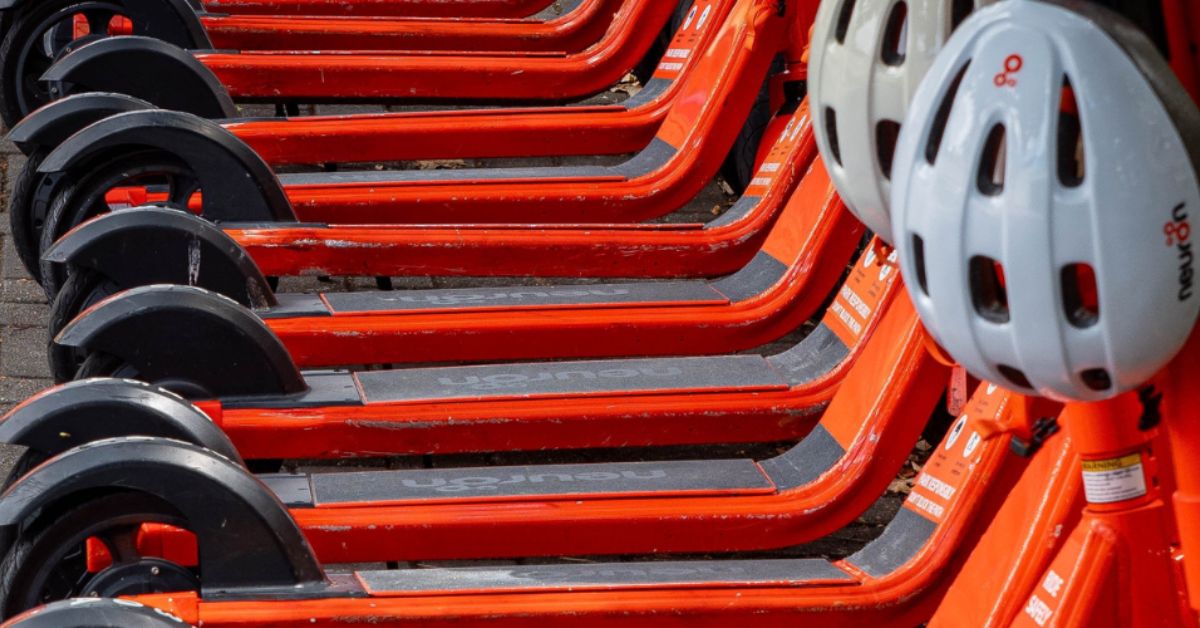
A parliamentary inquiry into e-mobility safety has recommended that riders under 16 be banned from operating e-bikes and e-scooters in Queensland, that all riders hold at least a learner’s licence, and that devices capable of exceeding 25km/h be reclassified as motorcycles — recommendations that AMA Queensland, whose head office sits in Kelvin Grove, has formally welcomed as measures that will save lives.
The inquiry, tasked in May last year with investigating safety issues including increasing crashes, injuries and fatalities, released its report in early March 2026 containing 28 recommendations across safety, lithium-ion battery fire risk, retail of devices, enforcement and community education. The recommendations represent what the inquiry described as a new national standard for the management of e-scooters and e-bikes.
What Prompted the Inquiry
The scale of the problem drove the inquiry’s formation. In 2025, 12 Queenslanders died in e-mobility-related incidents, including children, and more than 6,300 people presented to emergency departments with injuries. AMA Queensland described most of those incidents as likely preventable.
The human cost of the current regulatory environment is reflected in the inquiry report itself, which personally names eight-year-old Zeke Hondow, who died in October 2025 after being struck by a high-powered e-motorcycle while riding home from school on the Sunshine Coast. His mother Kloe Weedon began advocating for age limits within weeks of his death and welcomed the report’s recommendations, describing the proposed changes as significant and expressing hope they would be adopted swiftly.

The 28 Recommendations at a Glance
The inquiry’s central recommendation is that e-bikes and personal mobility devices be restricted to riders aged 16 and over. Alongside the age restriction, all riders would be required to hold at least a Queensland Class C learner licence, which requires completion of an online learning programme. The age and licence requirements would not apply to e-wheelchair users.

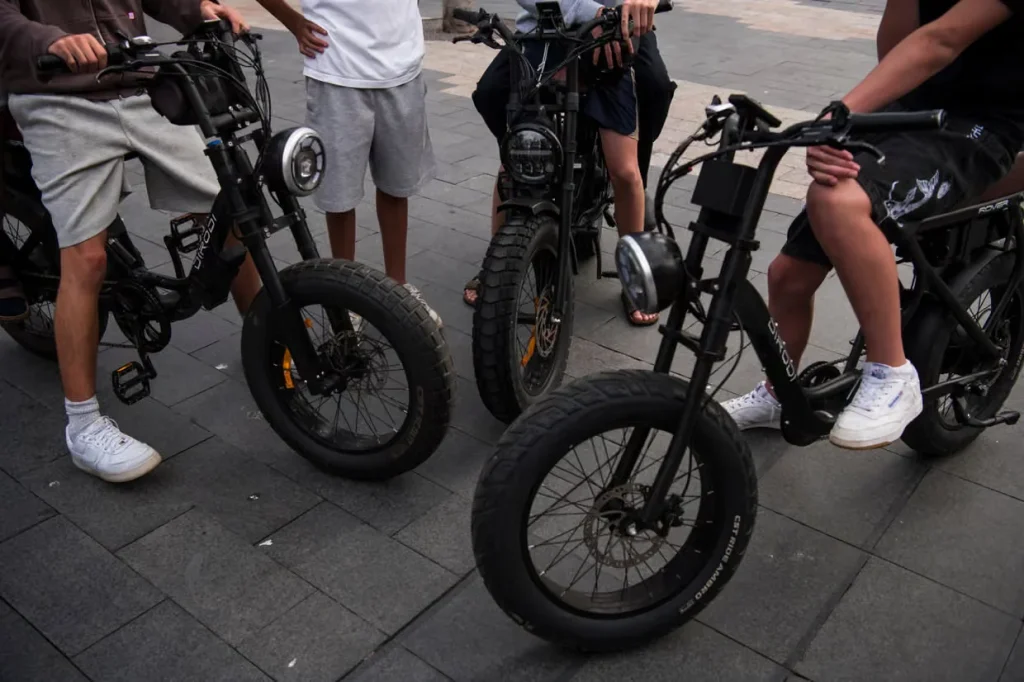
On speed, the inquiry recommends reducing the footpath speed limit for all e-mobility devices to 10km/h. Devices with a top speed above 25km/h would be reclassified as motorcycles or mopeds, requiring riders to hold an appropriate driver’s licence, the vehicle to be registered, and use restricted to roads only. The inquiry also recommends that all e-mobility devices with an electrical power source be defined as motor vehicles under legislation, simplifying enforcement.
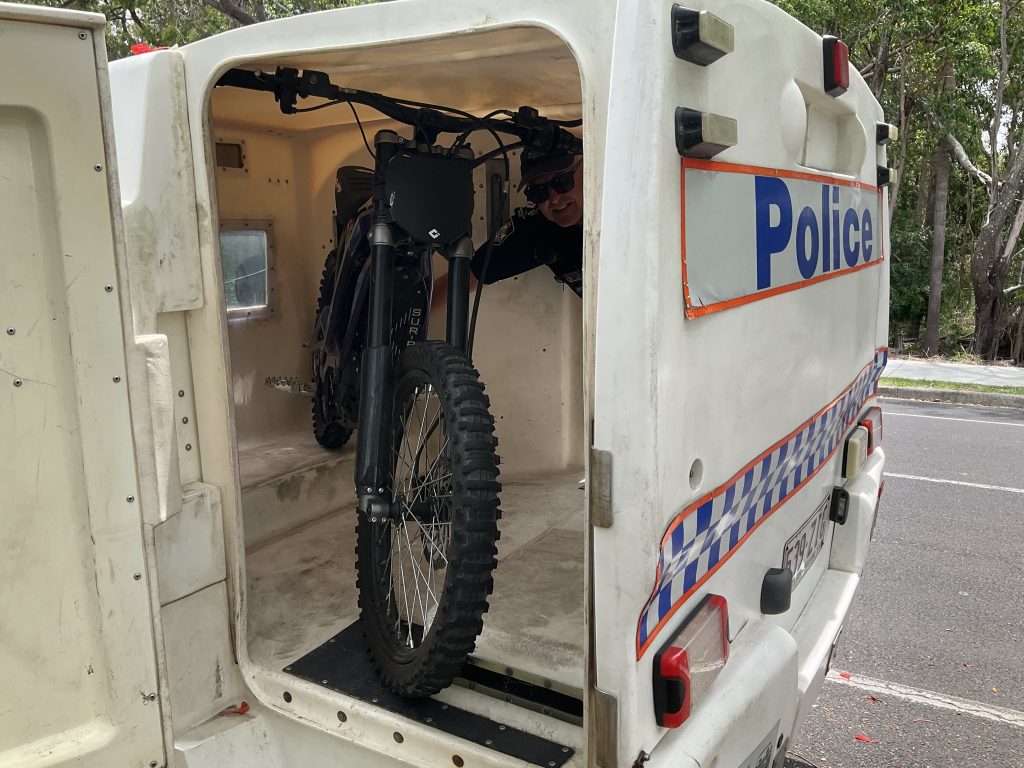
Additional recommendations include giving police the power to seize and impound illegal e-mobility devices on a first offence, including the ability to dispose of or destroy a device. Parents and guardians would be liable for penalties when children under 16 breach e-mobility regulations. Riders would also be subject to the same alcohol and drug rules that apply to other road users.
On infrastructure, the inquiry recommends embedding e-mobility into strategic transport planning through high-quality, connected and separated pathway networks, and a community safety campaign rollout for riders, drivers and the broader community.


AMA Queensland’s Response
AMA Queensland, based at Kelvin Grove, made a formal submission to the inquiry in June 2025 and appeared at hearings in August last year. The organisation had been advocating for an under-16 ban well before the report’s release, writing to transport authorities in November 2025 urging action ahead of the inquiry’s findings.
AMA Queensland president Dr Nick Yim said the recommended age restriction was a sensible and responsible outcome. He noted that 16 is the age at which Queenslanders begin learning to drive, acquiring road rules knowledge and developing the awareness needed to share roads safely. Yim said emergency doctors had treated significant injuries in paediatric and adolescent patients whose consequences extended beyond the individuals to their families, friends and treating clinicians over the long term.
Yim also welcomed the recommended speed reclassification threshold, the alcohol and drug rules alignment and the infrastructure recommendations. AMA Queensland has advocated for active travel infrastructure improvements, particularly around schools, parks and hospitals, and sees e-mobility as having a genuine role in affordable transport access, physical activity and emissions reduction — provided it operates within a safe regulatory framework.
Bicycle Queensland chief executive Matt Burke supported the age restriction but raised concerns about the licence requirement, arguing it was without precedent internationally and would significantly affect food delivery riders and tourists using hire schemes.
Why These Restrictions Benefit the Paddington and Kelvin Grove Community
The Paddington and Kelvin Grove area sits within a dense inner-Brisbane corridor where e-scooters and e-bikes share footpaths, bike lanes and roads with pedestrians, cyclists and school students. The proposed restrictions address the specific conditions that produce the most serious injuries: young riders without road rules training, devices travelling at speeds incompatible with shared path use, and no enforceable consequence for illegal devices.
A footpath speed limit of 10km/h, combined with the reclassification of high-powered devices as motorcycles, directly reduces the risk to pedestrians on the busy shared paths that run through Paddington, Kelvin Grove and the surrounding inner west. The licence requirement, if adopted, ensures that riders on local streets have at minimum completed Queensland’s online road rules programme before operating a device in traffic.
For families in the area, the parental liability provisions mean that the consequences of a child riding illegally extend to adults in a position to prevent it — creating a practical incentive for households to understand and follow the new rules. For the broader community, reinvestment in dedicated cycleways and separated pathways, as recommended by the inquiry, would reduce the conflict points between e-mobility users and pedestrians that currently make shared paths hazardous.
What Happens Next
The recommendations are not yet law. The report has been tabled and is under review, with implementation of paid parking and resident permits possible in late 2026 and into 2027 subject to that process. The full report and its 28 recommendations are available through the Queensland Parliament website. AMA Queensland’s statement on the report is available here.
Published 6-March-2026.

