


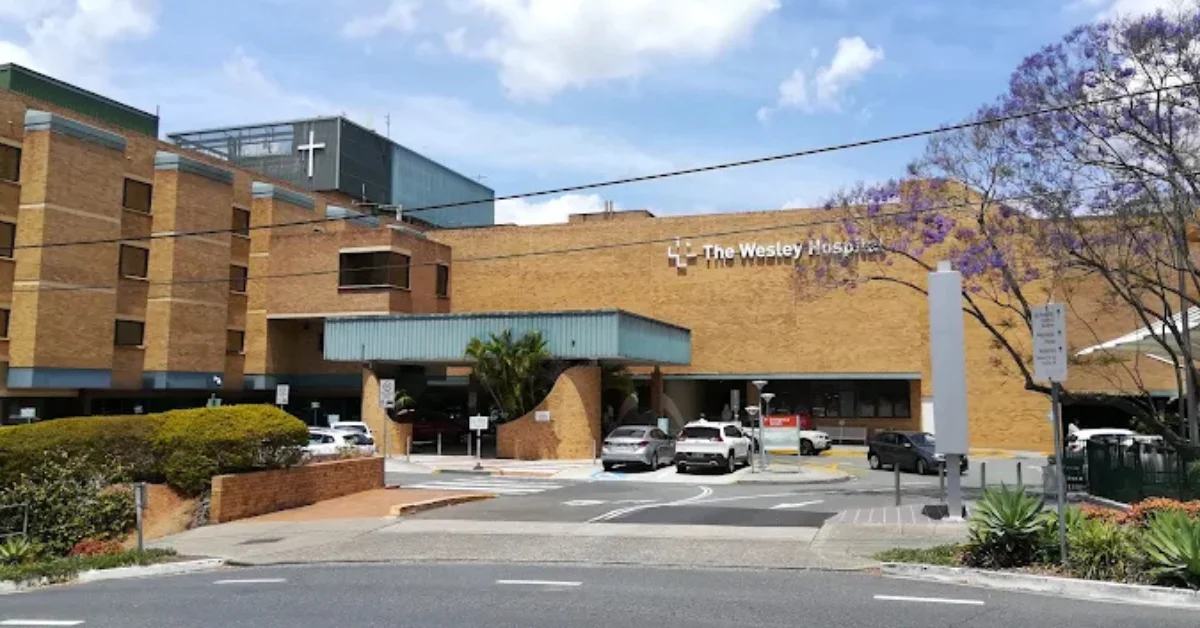
The Wesley Breast Clinic in Auchenflower is among the breast imaging services across Australia affected by an ongoing shortage of specialist breast imaging radiologists, with the workforce gap forcing the clinic to limit appointments and prioritise patients with the greatest clinical need.
Read: Health Precinct Expansion Approved for Auchenflower’s Wesley Hospital
The clinic, based at The Wesley Hospital, provides breast imaging and diagnostic services to about 14,000 patients each year and is known for offering same day results, making it a sought-after option for women across Queensland.
However, the shortage of breast imaging radiologists has led the service to stop accepting referrals for new patients while encouraging some existing patients to seek imaging elsewhere. Women with symptoms requiring urgent investigation or those considered at high risk of breast cancer continue to receive priority access.
A spokesperson for The Wesley Hospital said the clinic is facing the same workforce challenges affecting breast screening and diagnostic services across the country. According to the hospital, breast imaging radiologists require highly specialised skills and training, contributing to recruitment challenges experienced across the sector. The clinic is continuing to explore ways to maintain timely, high quality care despite the staffing constraints.
The changes come as breast cancer remains Australia’s most commonly diagnosed cancer among women. Australian Institute of Health and Welfare (AIHW) data released in late 2025 shows an average of 56 people are diagnosed with breast cancer each day.
Radiologist Shortage In Australia
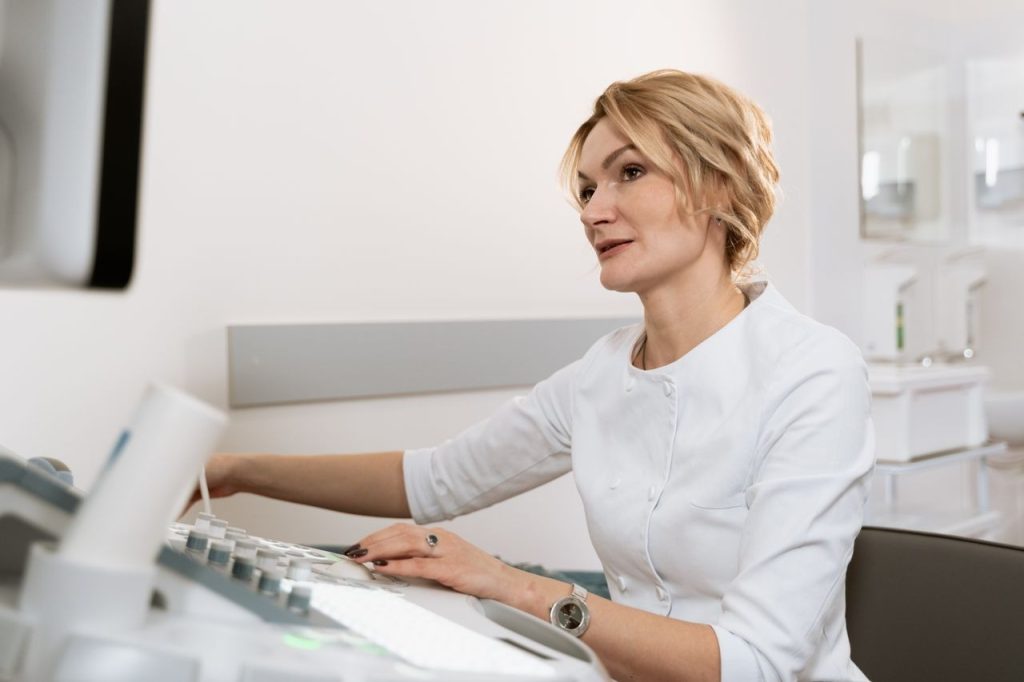
The difficulties facing the Wesley Breast Clinic reflect a broader workforce issue extending beyond Queensland.
The Royal Australian and New Zealand College of Radiologists (RANZCR) says Australia is experiencing the effects of a global shortage of radiologists. The college has called for greater long term investment in workforce planning and specialist training to help ensure patients continue to receive timely diagnostic services as demand grows.
Training to become a radiologist is lengthy, often taking more than a decade before a doctor is fully qualified, with additional expertise required for breast imaging. The lengthy training pathway means expanding the workforce is a long term process.
Research published in the Journal of Medical Imaging and Radiation Oncology identifies several factors contributing to the worldwide shortage, including increasing demand for medical imaging, population ageing and clinician burnout. Australia also faces challenges because radiologists are unevenly distributed across the country.
The study found that while around 70 per cent of Australians live in metropolitan areas, approximately 87 per cent of the nation’s clinical radiology workforce is based in those centres. Regional and rural communities remain particularly affected by workforce shortages, although the situation at Wesley shows metropolitan services are also under pressure.
Researchers say demand for diagnostic imaging continues to grow as Australia’s population ages. Australia’s population is projected to increase by about 15 per cent between 2021 and 2031, while cancer diagnoses are forecast to rise by approximately 22 per cent during the same period. The study estimates annual cancer diagnoses could reach about 185,000 by 2031, increasing demand for diagnostic imaging services.
Patients who cannot secure appointments at Wesley may need to seek imaging through other providers. Breast imaging plays a vital role in detecting cancer early and assessing symptoms that require urgent investigation.
Read: Wesley Research Team in Auchenflower Leads Coeliac Drug Breakthrough
While the Wesley Breast Clinic continues to care for patients with the most urgent clinical needs, the situation highlights the challenge of maintaining access to specialist breast imaging services as demand continues to grow and the supply of trained radiologists remains constrained.
Published 21-July-2026