




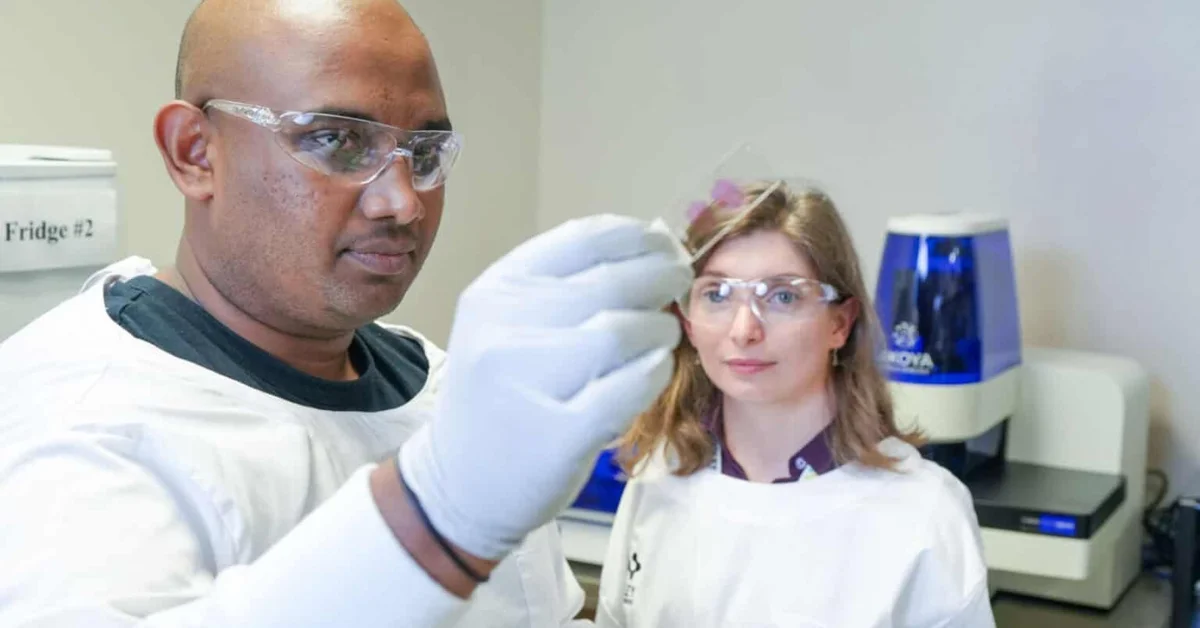
Auchenflower researchers have mapped how immune cells interact with ovarian cancer tumours, a discovery that could guide more targeted treatments for patients.
Expanding Cancer Research in Auchenflower
Scientists at the Wesley Research Institute’s Queensland Spatial Biology Centre in Brisbane reported findings in iScience after investigating high-grade serous ovarian cancer, one of the deadliest forms of the disease. The centre, based in Auchenflower, had earlier in July 2025 published a head and neck cancer study in Nature Precision Oncology that showed how hundreds of protein and gene markers could be measured from a single biopsy to inform treatment.
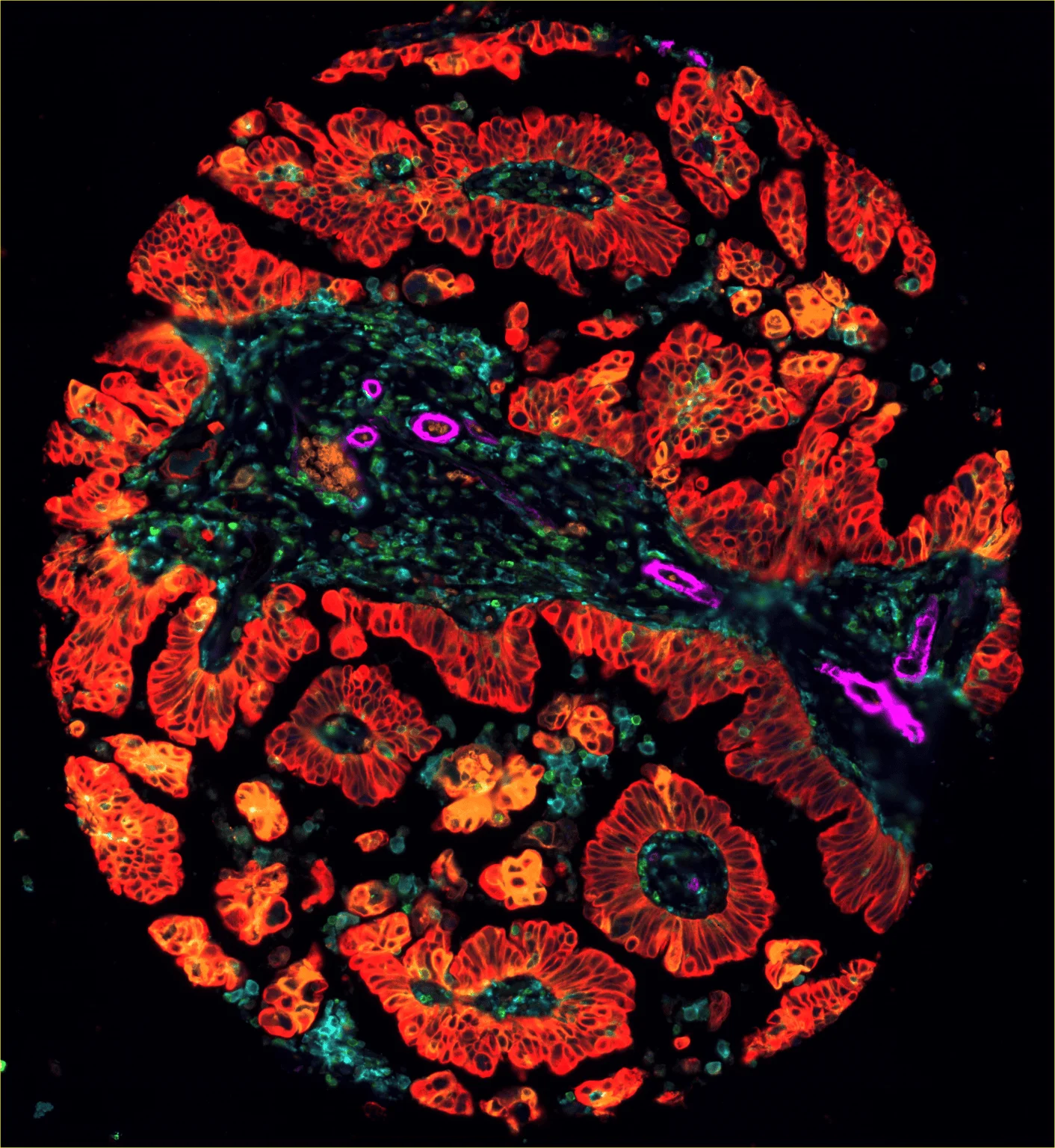
Mapping the Tumour Battlefield
The Auchenflower team analysed tumour samples from 49 patients using high-plex spatial proteomics to map the tumour microenvironment. Their work showed that survival chances improved when two specific immune cells, CD66+ cells and cytotoxic CD8 T-cells, were located close to tumour cells.
Why Immune Cells Matter
Researchers found that the positioning of these immune cells around the tumour boundary influenced whether the cells could recognise and attack cancer cells, which was associated with improved outcomes.
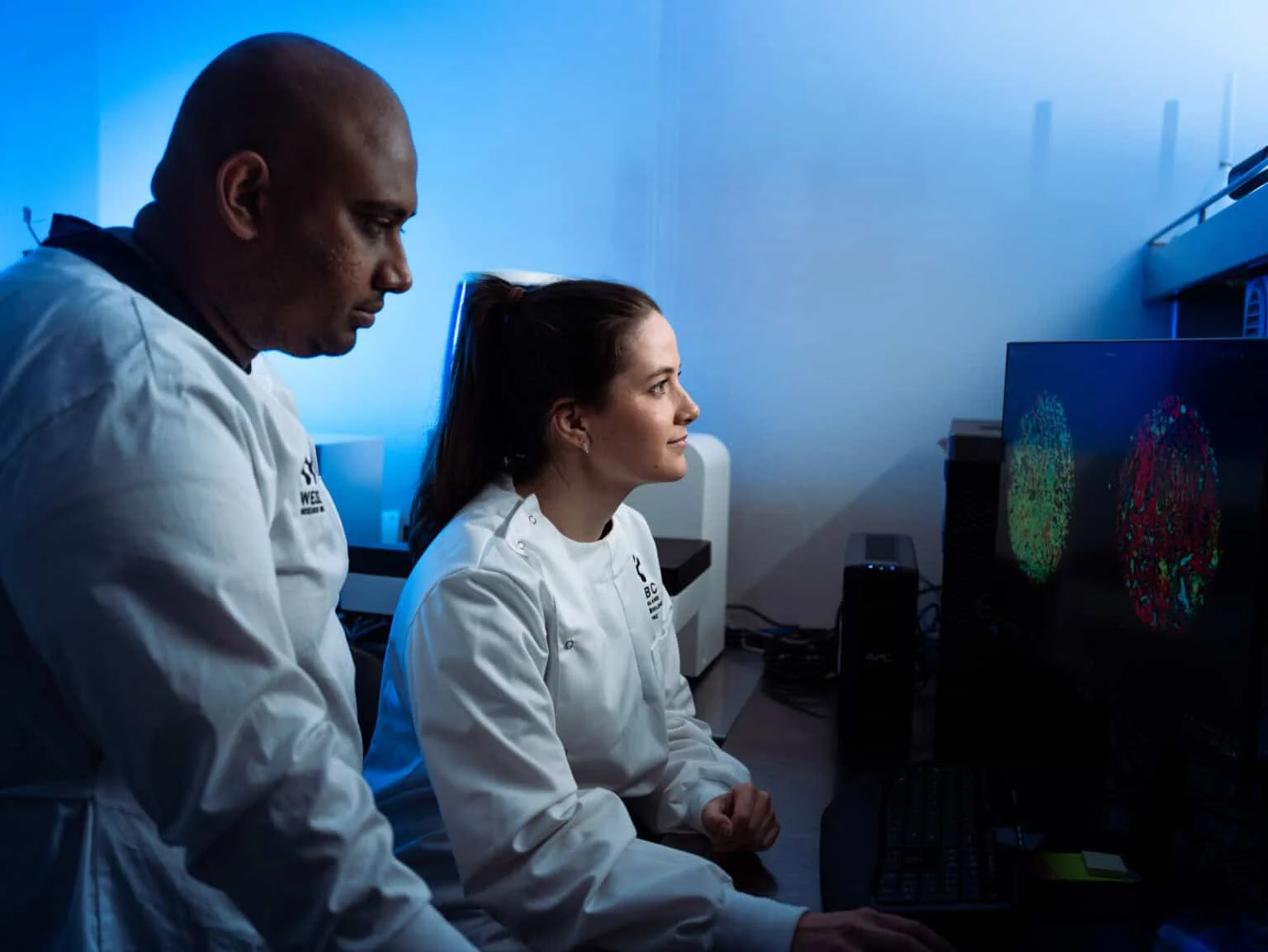
Targeting Treatments Beyond Chemotherapy
Advanced ovarian cancer has a five-year survival rate of just 17 per cent. The findings suggest doctors could tailor therapies to target cancer cells more precisely while sparing healthy tissue. This approach may help reduce the broad side effects linked to chemotherapy by guiding more personalised treatment strategies.
Tumour Activity and Survival Links
The study also noted that tumour activity levels played a role, with survival outcomes varying depending on how metabolically active the tumours were and the presence of regulatory immune cells.
A Survivor’s Perspective
Survivor Merran Williams, 71, who carries the BRCA gene mutation, said her experience highlighted the importance of research that enables more targeted therapies. Having faced ovarian cancer three times and breast cancer once, she emphasised the need for treatments that are less harmful to the body.
Expanding Research Across the Globe
The Auchenflower researchers plan to expand their work to include hundreds of patients across Australia, the United States, Europe and Asia. The aim is to confirm immune-cell patterns linked to long-term survival and further refine treatment strategies.
Published 25-Sep-2025. Updated 6-October-2025.

