



Auchenflower Hosted the Australian Open Long Before Melbourne

Auchenflower has never needed to shout to be noticed. It’s a suburb of river breezes and long afternoons, where streets rise gently away from the Brisbane River and the city feels close but not quite on top of you. But tucked inside that calm, residential reputation is a sporting fact that still catches people off guard: Auchenflower once hosted the tournament we now call the Australian Open.


It was not an exhibition. It was not a warm-up event. It was the real thing in its early form, when the event was still known as the Australasian Championships and moved between cities and venues.

Before the Australian Open had a permanent home

The modern Australian Open is famously tied to Melbourne Park. But for decades, the tournament didn’t have a single base at all.

On the Australian Open’s official history, the early event is described as the Australasian Championships, and it “bounced around” various cities and venues for years before settling permanently in Melbourne in 1972.

That travelling tradition is what created a rare opening for Brisbane — and for Auchenflower — to enter national tennis history in a way that feels almost unbelievable today.

Auchenflower’s moment in the spotlight

Queensland’s editions of the tournament were held in the Brisbane suburb of Auchenflower in 1907 and 1915. Those two dates are a big deal. They place Auchenflower among the tournament’s early host locations, long before the Australian Open settled into a single permanent home.

That history is also confirmed in tournament records, with Auchenflower, Brisbane, listed as the host location for both the 1907 and 1915 championships.

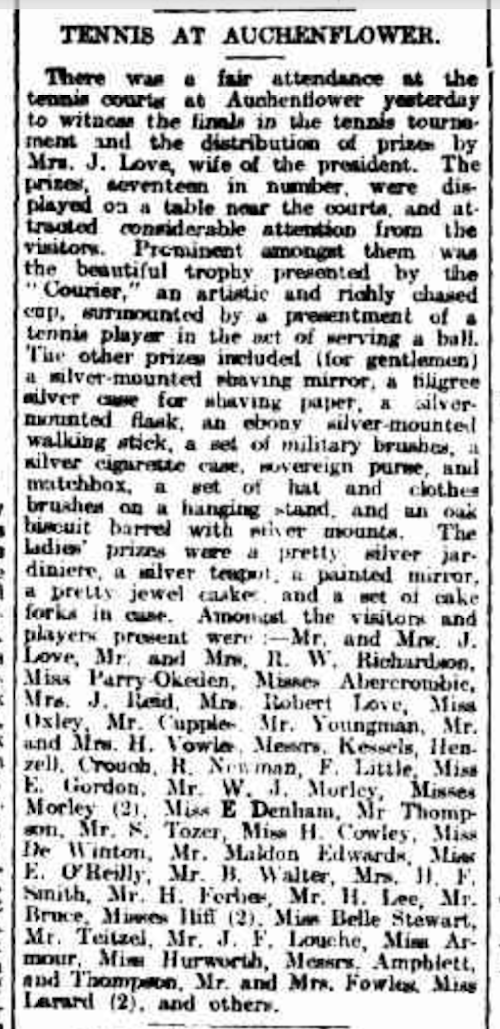
The Auchenflower courts were opened with enthusiasm in 1904, but rain curtailed the official opening celebrations. It’s a small anecdote, but it tells you something important: these weren’t improvised lawns scratched into existence for a one-off tournament.

The courts were significant enough to be noted in newspaper reporting of the time. Auchenflower’s tennis story begins with the establishment of courts in the suburb in 1904.

Grass courts and a very different tournament era

In 1907 and 1915, the championships played in Auchenflower would have felt very different to the Australian Open we recognise today. The event was smaller, the travel harder, the draw less international — but the prestige was real.

The 1907 tournament is recorded as being played on grass courts at Auchenflower in Brisbane. The 1915 edition is also recorded as being played on outdoor grass courts in Auchenflower.

That grass-court detail matters because it reminds readers what early tennis demanded: a different pace, different footwork, and a different relationship between sport and setting. The surface itself belonged to the landscape in a way hard courts don’t.

Auchenflower as part of Brisbane’s river suburbs story

It’s hard not to see a pattern when you look at where Brisbane’s famous tennis moments have happened. Auchenflower sits close to the river and close to the city — the kind of place where organised recreation could thrive early. In later decades, Brisbane’s major tennis venue shifted to nearby Milton. Different suburb, different era — but a similar relationship to access, crowds and public life.

Auchenflower’s tournament years show a version of Brisbane that doesn’t always appear in the usual sporting narratives: a city capable of hosting national-level events much earlier than people assume.

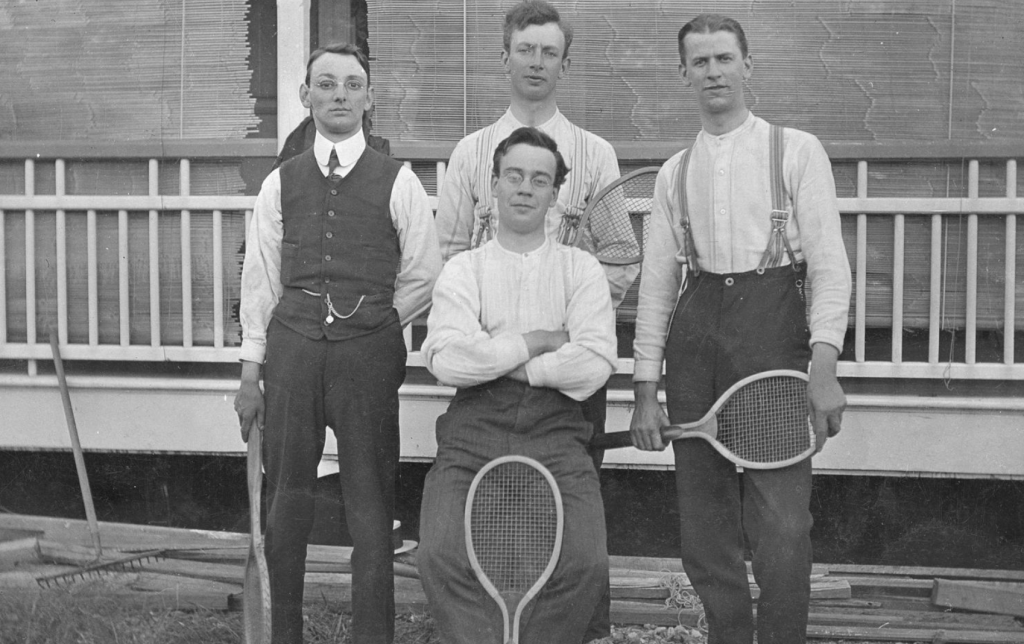
Methodist Home Mission tennis players from England in Brisbane, 1912. Photographed at the residence of Rev. W. H. Harrison in Auchenflower. | Photo Credit: State Library of Queensland

What to take from Auchenflower’s tennis past

Auchenflower doesn’t need a stadium today to prove it mattered then. Its tennis story is a quiet Brisbane story: a suburb by the river that once hosted the national championships during the tournament’s travelling years.

And if you ever hear someone say Brisbane was never part of tennis history, Auchenflower has an answer: It already has been.


Published 15-Jan-2026

Volunteers Curate Healing Art Collection at The Wesley Hospital in Auchenflower

The Wesley Hospital in Auchenflower continues to strengthen its commitment to patient wellbeing through a volunteer-led art collection featuring more than a thousand donated works.


A Legacy of Healing Through Art

The Wesley Hospital’s art program traces back to the 1990s when volunteers began curating donated artworks to create a calm and uplifting environment for patients, visitors, and staff. In December 2022, volunteers displayed a summer-themed exhibition by Sunshine Coast artist Tony Coles titled A Time to Reset, encouraging reflection and relaxation during the festive season.

hospital art program
Photo Credit: The Wesley Hospital/Facebook

Expanding the Collection and Volunteer Efforts

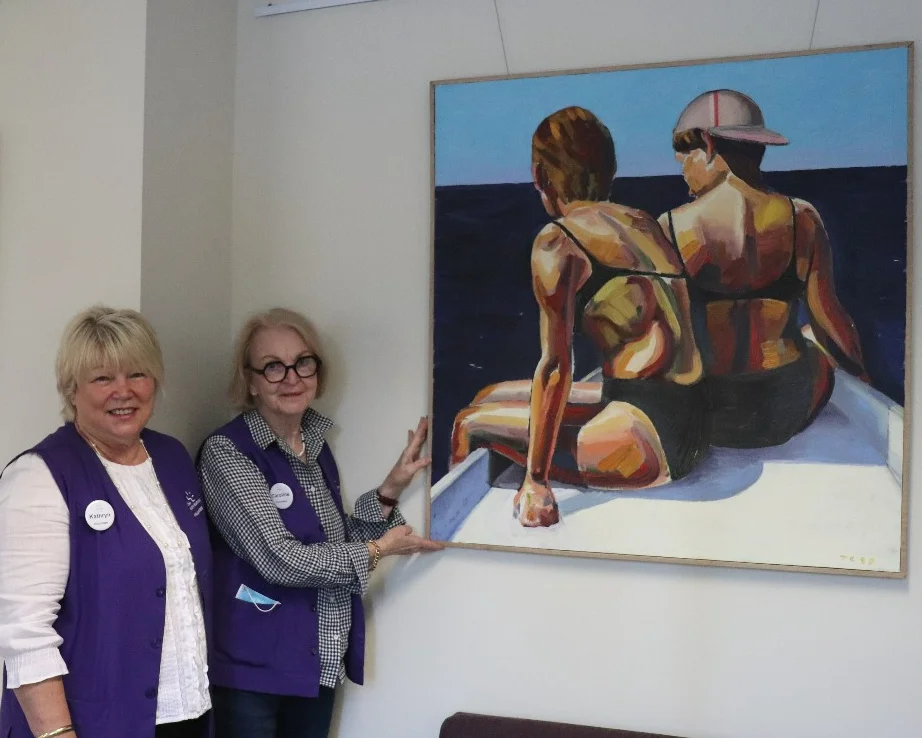
By 2025, the hospital’s collection had grown to include more than 1,000 paintings, prints, photographs, and drawings contributed by international, Australian, and Indigenous artists. Volunteers Caroline McCormack and Kathy Praine have taken key roles in rotating and maintaining the collection across wards and corridors, supported by the Volunteer Coordinator.

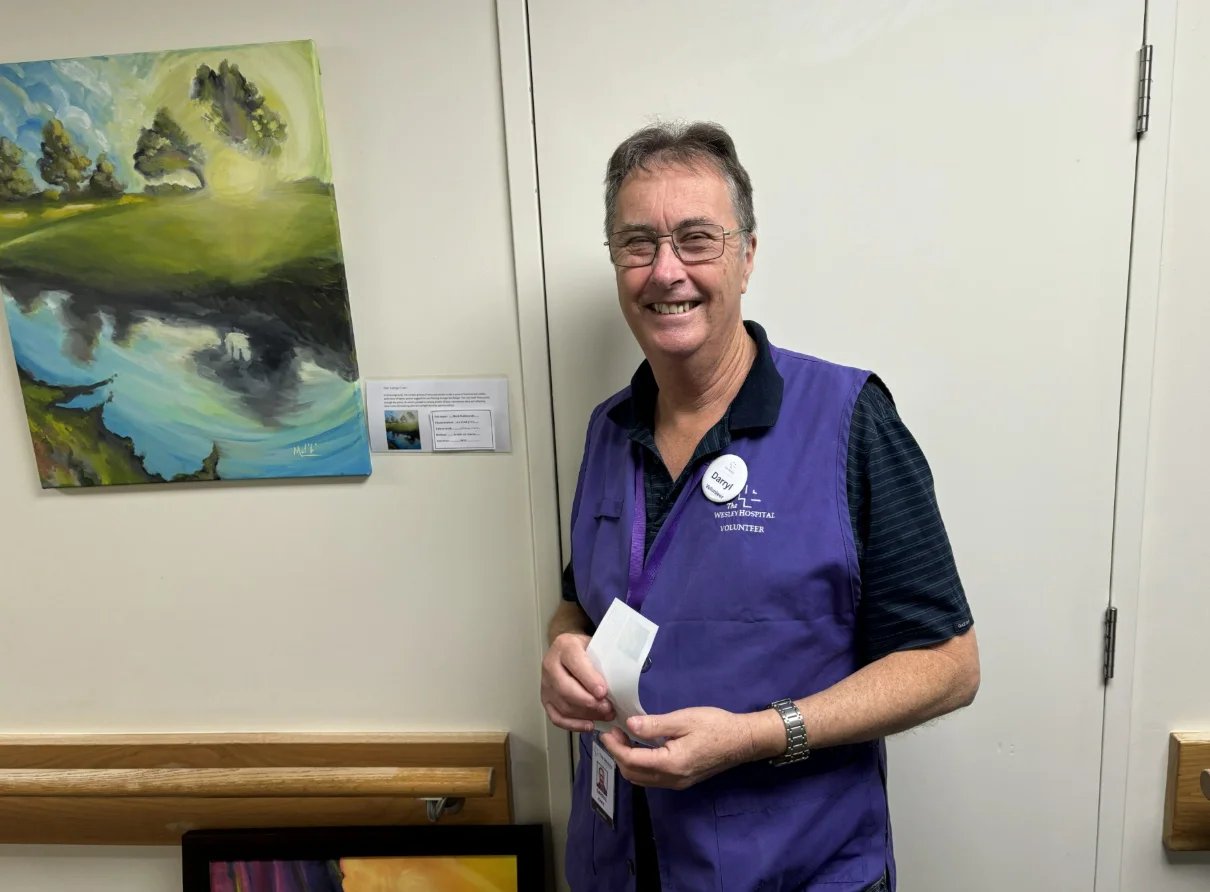
Their work ensures that new artworks are regularly displayed, fostering an atmosphere that complements the hospital’s holistic approach to care. In 2025, Darryl, a new volunteer and former diversional therapist, joined the curation team to assist with cataloguing and preserving the growing collection.

The Wesley Hospital
Photo Credit: The Wesley Hospital/Facebook

Community Contributions Enhance the Program

The collection also reflects the generosity of patients, staff, and local artists. In 2024, artist and former patient Glenise Clelland donated paintings inspired by her travels in Italy to help brighten patients’ days. Palliative Care doctor and photographer Dr Ralph McConaghy donated nature photographs captured in Iceland, New Zealand, Tasmania, and Brisbane’s Mt Coot-tha Botanic Gardens, bringing touches of natural beauty to the hospital’s Palliative Care Ward.

Art as a Form of Care


The Wesley Hospital’s art program represents more than decoration — it symbolises connection, creativity, and care. Through the combined efforts of volunteers and donors, the Auchenflower hospital continues to use art as a tool for comfort, reflection, and healing for all who walk its halls.

Published 30-Oct-2025

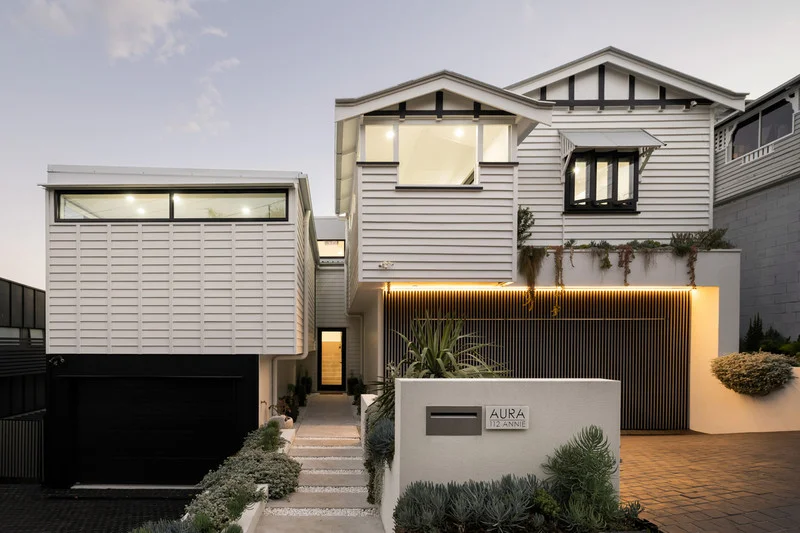
Worst House in One of the Best Streets in Auchenflower Gets Epic Renovation

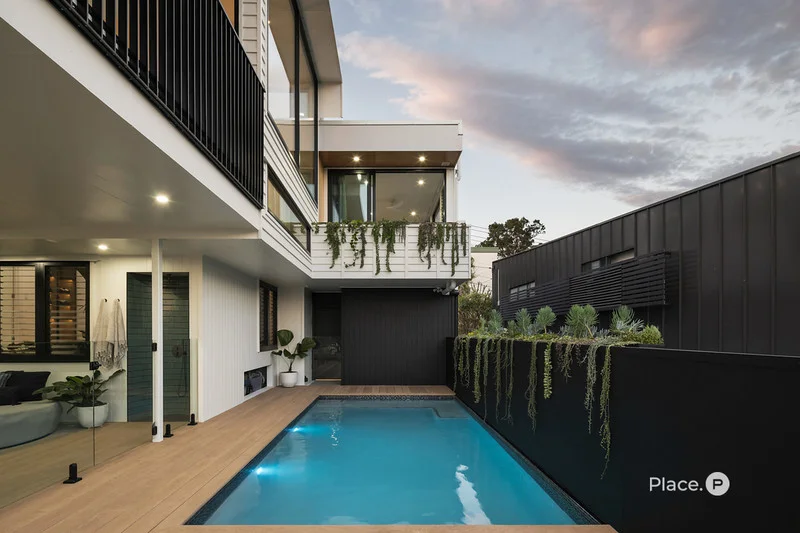
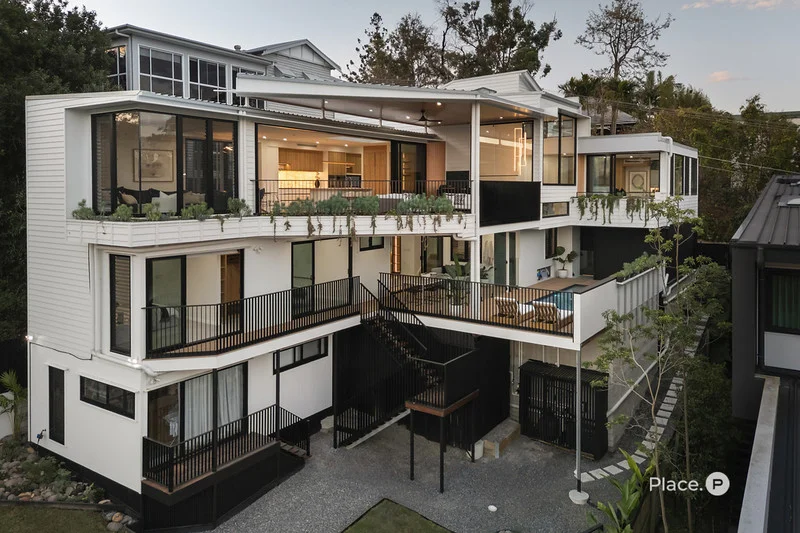
The worst house on one of the most coveted streets in Auchenflower has been transformed into a luxury residence after a mammoth renovation that tested the limits of a local family’s determination and budget.


Photo Credit: Tim Douglas

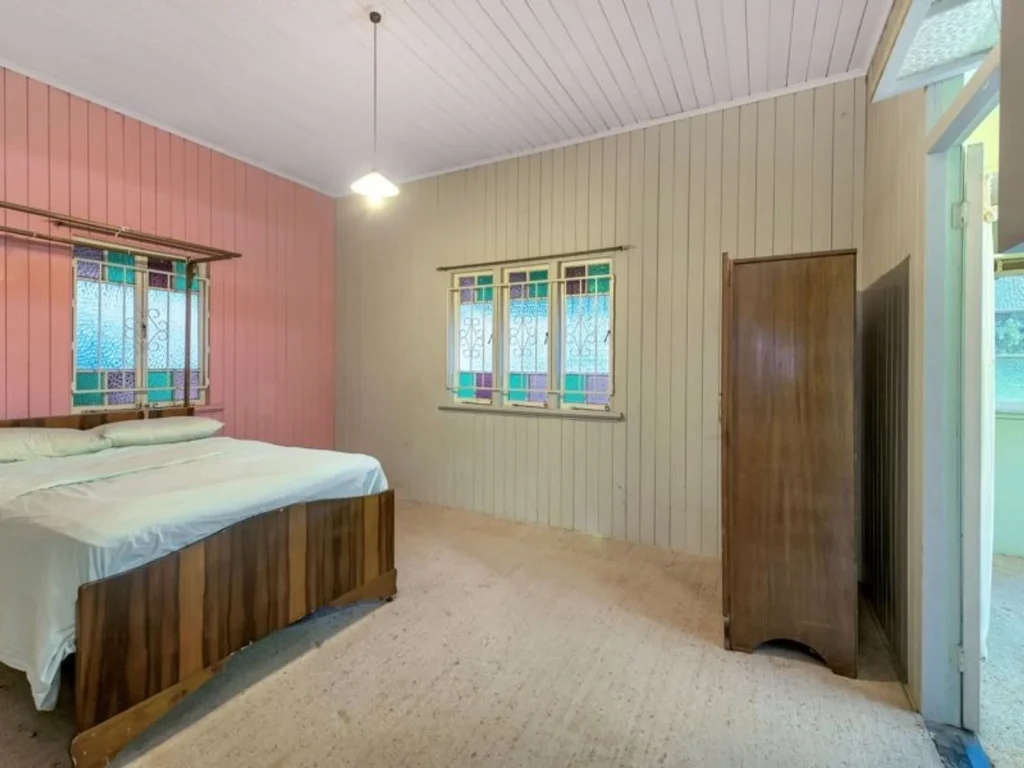
Anita and Paul Brown purchased the dilapidated property at 112 Annie Street for $1.45 million in 2021, drawn by its prime location despite its shocking condition. The house literally shook when walked through, featured dated pink and green decor, and harboured a backyard overrun with native monsteras sheltering countless huntsman spiders.

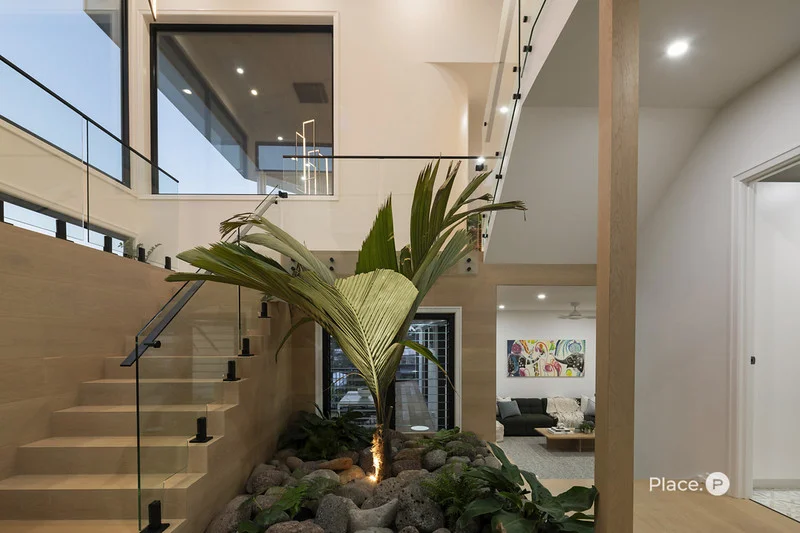
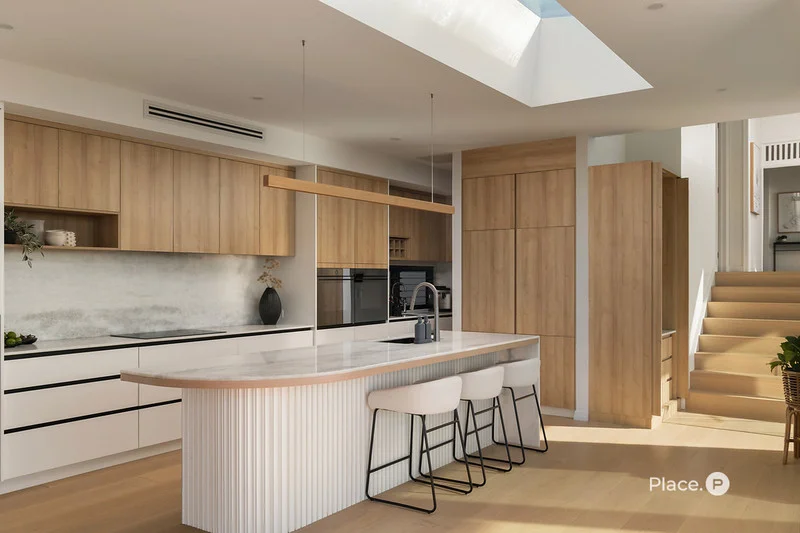
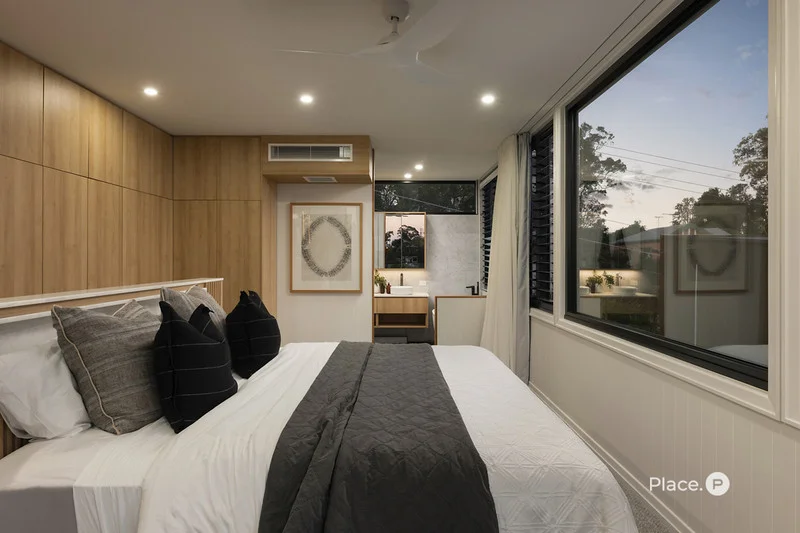
Three years and approximately $5 million later, the home now called Aura has been reborn as a three-level residence featuring six bedrooms, four bathrooms, a pool, wine cellar, and a self-contained granny flat. The renovation was completed over 18 months, with the original house raised and relocated on the block.

“It was honestly so dodgy. Back then my husband was a big guy, weighing about 140 kilograms and the whole place shook when he walked through it,” Mrs Brown said.

The couple, who have two young children, saw potential where others saw problems. The property was one of the last unrenovated homes on the street, and its position just three houses from the top made it particularly attractive.

To better understand the property before beginning work, the Browns moved into the rundown house for 12 months, studying how the sun moved across the site and where breezes came through. This informed their decision to install an entire wall of double-glazed glass along the eastern side to maximise the Brisbane city views.

The sloping block presented the biggest technical and financial challenge, with substantial money invested in retaining walls that remain hidden but essential to the home’s structural integrity.

Mr Brown took on the monumental task of clearing the monstera jungle by hand to make way for construction, an effort his wife describes as “the most epic thing ever”. The physical demands of the project saw Mr Brown’s weight drop from 140 kilograms to around 90 kilograms.

The renovation budget blew out significantly due to pandemic-related delays, soaring construction costs, and extensive custom ordering including bespoke windows. Turkish marble was hand-selected by Mr Brown on an overseas trip, adding to the home’s luxury finishes which include rainfall showers and multiple living areas.

To fund the project, the Browns liquidated three other investment properties. Mrs Brown, who bought her first house at 19 in Lismore for $100,000 while still studying, has built a substantial property portfolio over the years through strategic purchases and renovations.

The home is now listed for best offer by 1 November through Place Nundah’s Thomas Coussens and Place Ascot’s Drew Davies. While the agents haven’t disclosed a specific price expectation, the total investment of approximately $6.45 million provides an indication of the property’s value.

Mr Davies said the renovation quality surpasses anything he’s seen in the market, with strong interest from both interstate and local buyers following a pre-sale social media campaign.

Mrs Brown’s property advice, which she plans to pass on to her daughters Olivia, 11, and Penelope, 6, is straightforward: “Buy the biggest block of land you can afford as close the city as possible. It’s all about land banking now.”


Despite the enormous effort invested in creating what she calls “the ultimate family home”, Mrs Brown acknowledges it will be difficult to hand over the keys when the property sells.

Published 12-October-2025

Ovarian Cancer Research Breakthrough in Auchenflower

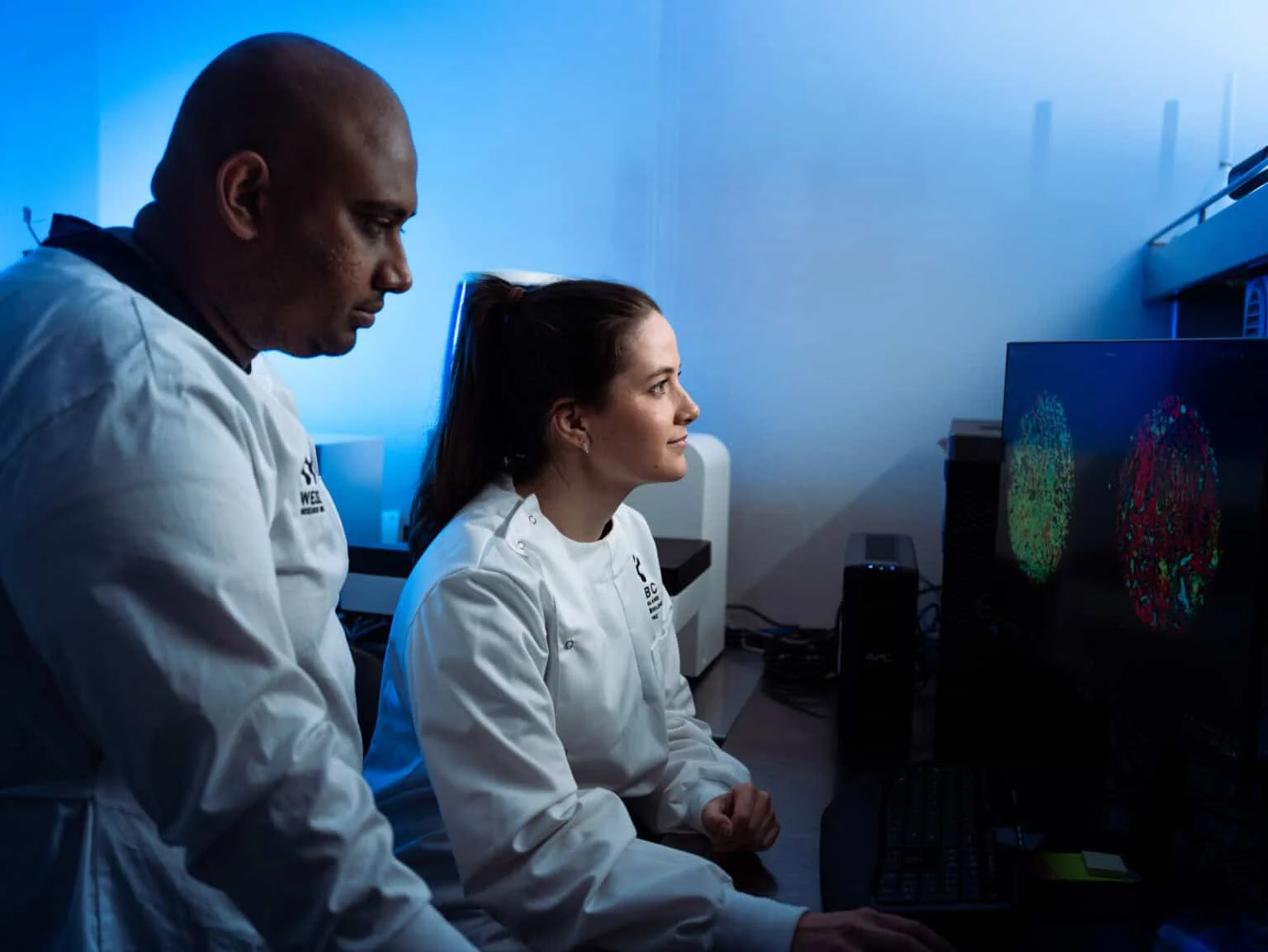
Auchenflower researchers have mapped how immune cells interact with ovarian cancer tumours, a discovery that could guide more targeted treatments for patients.


Expanding Cancer Research in Auchenflower

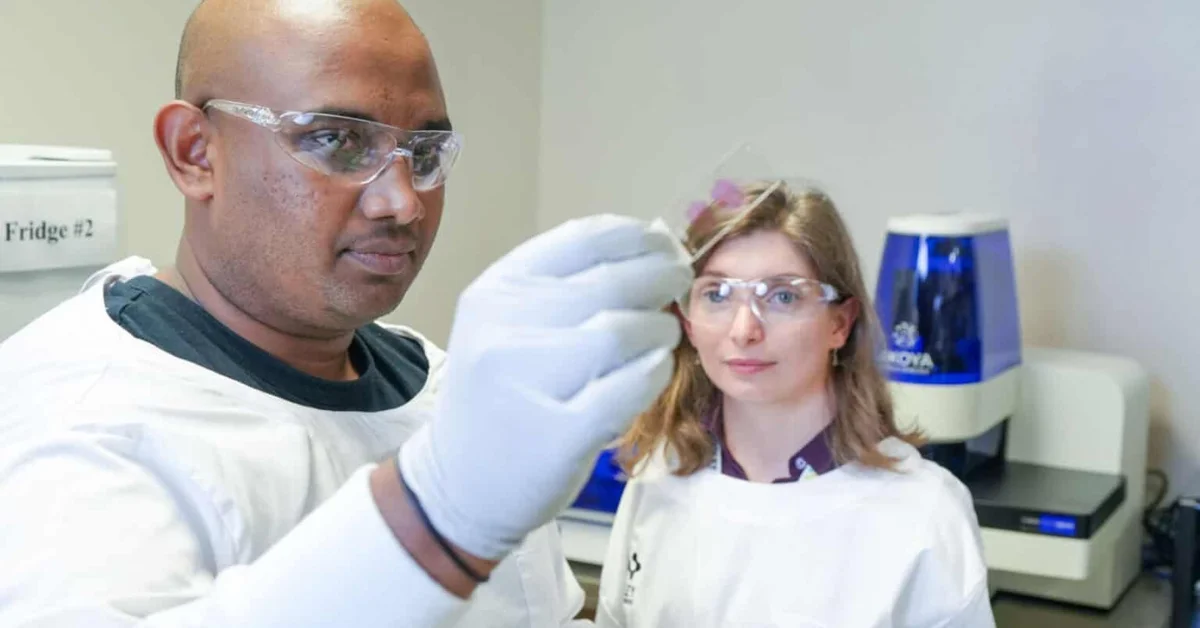
Scientists at the Wesley Research Institute’s Queensland Spatial Biology Centre in Brisbane reported findings in iScience after investigating high-grade serous ovarian cancer, one of the deadliest forms of the disease. The centre, based in Auchenflower, had earlier in July 2025 published a head and neck cancer study in Nature Precision Oncology that showed how hundreds of protein and gene markers could be measured from a single biopsy to inform treatment.

Wesley Research Institute
Photo Credit: Wesley Research Institute

Mapping the Tumour Battlefield

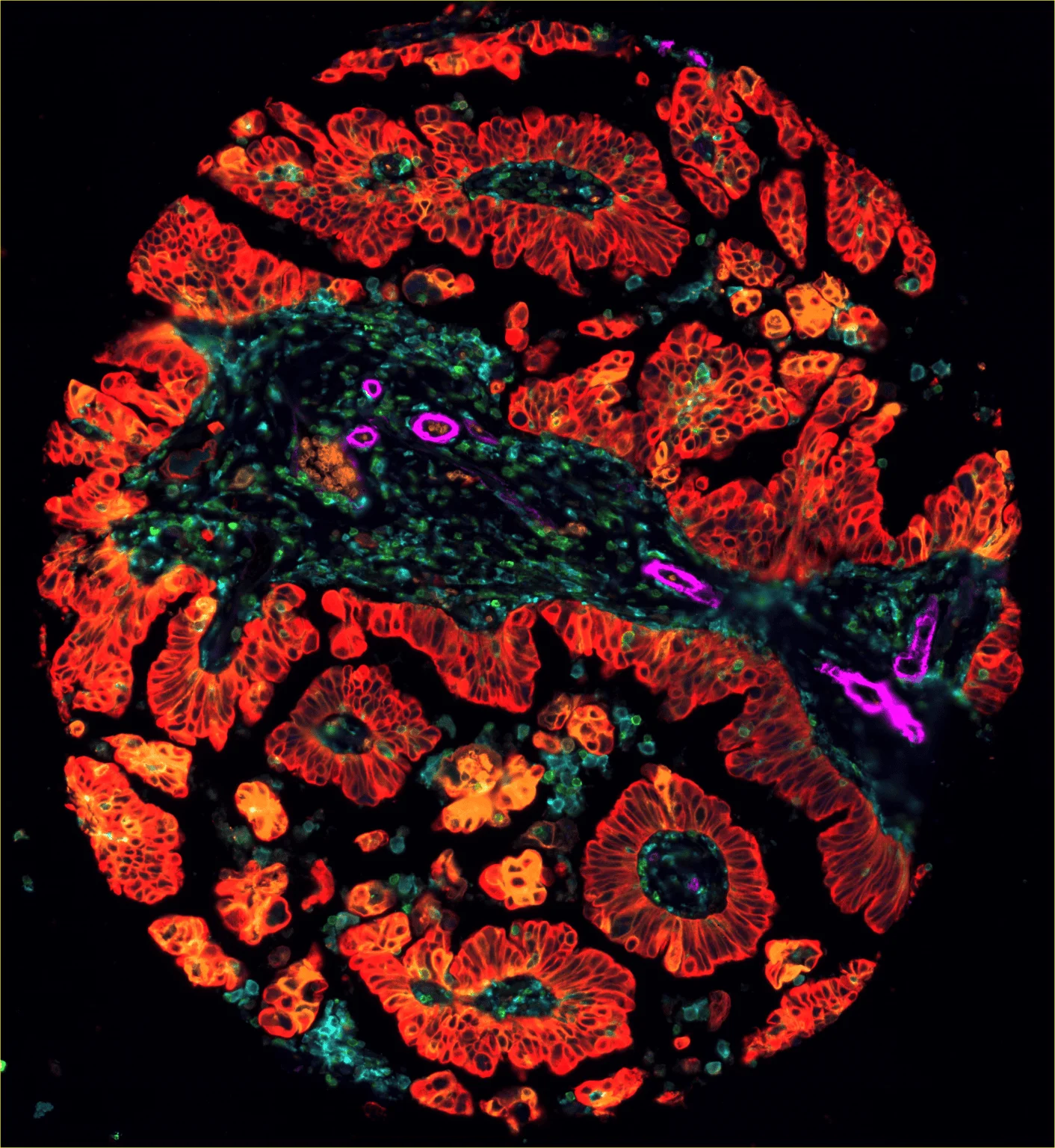
The Auchenflower team analysed tumour samples from 49 patients using high-plex spatial proteomics to map the tumour microenvironment. Their work showed that survival chances improved when two specific immune cells, CD66+ cells and cytotoxic CD8 T-cells, were located close to tumour cells.

Why Immune Cells Matter

Researchers found that the positioning of these immune cells around the tumour boundary influenced whether the cells could recognise and attack cancer cells, which was associated with improved outcomes.

Advanced ovarian cancer
Photo Credit: Wesley Research Institute

Targeting Treatments Beyond Chemotherapy

Advanced ovarian cancer has a five-year survival rate of just 17 per cent. The findings suggest doctors could tailor therapies to target cancer cells more precisely while sparing healthy tissue. This approach may help reduce the broad side effects linked to chemotherapy by guiding more personalised treatment strategies.

Tumour Activity and Survival Links

The study also noted that tumour activity levels played a role, with survival outcomes varying depending on how metabolically active the tumours were and the presence of regulatory immune cells.

A Survivor’s Perspective

Survivor Merran Williams, 71, who carries the BRCA gene mutation, said her experience highlighted the importance of research that enables more targeted therapies. Having faced ovarian cancer three times and breast cancer once, she emphasised the need for treatments that are less harmful to the body.

Expanding Research Across the Globe


The Auchenflower researchers plan to expand their work to include hundreds of patients across Australia, the United States, Europe and Asia. The aim is to confirm immune-cell patterns linked to long-term survival and further refine treatment strategies.

Published 25-Sep-2025. Updated 6-October-2025.

Health Precinct Expansion Approved for Auchenflower’s Wesley Hospital

A new $250 million Comprehensive Cancer and Day Surgery Centre is set to be developed in Auchenflower, following approval for an expansion at The Wesley Hospital campus.


Approval Enables Major Health Investment in Auchenflower

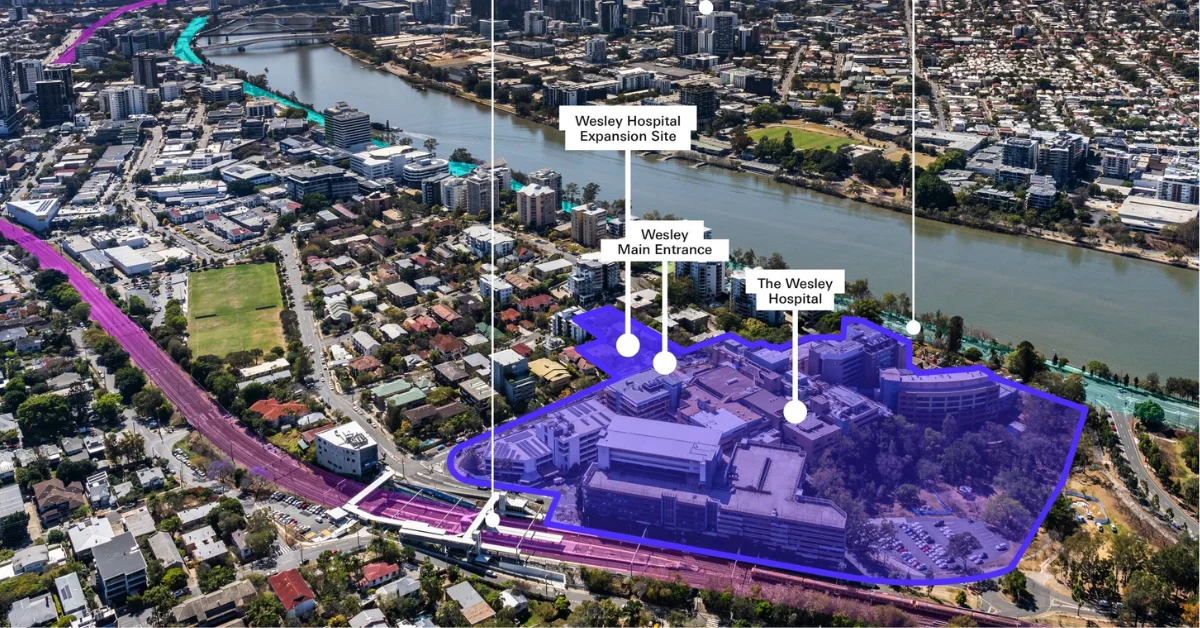
Approval has been granted for a new 10-storey health precinct in Auchenflower, with UnitingCare planning to expand The Wesley Hospital campus through the development of a $250 million Comprehensive Cancer and Day Surgery Centre.

On 22 July 2025, the State issued a Ministerial Infrastructure Designation, clearing the way for construction of the integrated facility. The new centre will connect to the existing hospital buildings via a pedestrian bridge and is expected to be Brisbane’s largest private cancer care facility.

Wesley Hospital
Photo Credit: MID-0624-0852

Facility Features and Project Scope

The planned development will include a new day surgery centre, radiation oncology bunkers, radiology, and other dedicated cancer care services. It will be anchored by UnitingCare’s existing health services and is intended to foster a collaborative health ecosystem focused on research, innovation, and improved treatment delivery.

Health, research, and cancer care organisations are being invited to register interest in partnering within the precinct. The new facility builds on the recent addition of a day surgery centre at St Andrew’s War Memorial Hospital, also operated by UnitingCare.

Brisbane-based property advisory group Fluent has been engaged to guide the planning and delivery of the project. Hutchinson Builders has been appointed to construct the centre.

Wesley Hospital expansion
Photo Credit: MID-0624-0852

Broader Organisational Expansion

This project forms part of UnitingCare’s wider strategy to expand healthcare infrastructure across Queensland. The not-for-profit currently operates four hospitals: The Wesley Hospital, St Andrew’s War Memorial Hospital, Buderim Private Hospital, and St Stephen’s Hospital.

The Auchenflower project is intended to support increasing demand for private health services across Brisbane and the surrounding regions.

cancer centre Brisbane
Photo Credit: MID-0624-0852

Community Outlook and Next Steps

The health precinct is expected to provide improved service access and treatment outcomes for local and regional communities. The development aligns with broader healthcare infrastructure growth trends and modernisation efforts across the sector.


No official construction start date has been released yet. Interested partners can access more information and register their interest via The Wesley Hospital’s website.

Published 30-July-2025

Wesley Research Team in Auchenflower Leads Coeliac Drug Breakthrough

A small molecule drug being trialled in Auchenflower could soon change how coeliac disease is treated, by repairing the gut without suppressing the immune system.


Auchenflower Trial Offers New Hope for Locals Living With Coeliac Disease

A clinical trial underway in Auchenflower is bringing new hope to people living with coeliac disease, with early findings pointing to a treatment that may help repair the gut without relying solely on a gluten-free diet.

Photo Credit: Rawpixel

Led by Dr. James Daveson at Wesley Research Institute, the study tests IMU-856, a small molecule drug by U.S.-based Immunic Inc., as part of a broader trial across Australia and New Zealand. Results were recently published in The Lancet Gastroenterology & Hepatology.

A Different Approach to Treatment

Unlike current methods that require strict gluten avoidance, IMU-856 targets a protein called SIRT6, which plays a key role in maintaining the gut’s protective barrier. The drug supports gut wall repair and renewal without suppressing the immune system — a shift from traditional approaches.

The drug improved gut structure, eased symptoms, and boosted nutrient absorption in coeliac patients, with a favourable safety profile. Dr Daveson said it’s the first study to show IMU-856 may ease gluten-related damage in clinical conditions.

Community and Clinical Impact

Trial participants came from across Australia and New Zealand, with many attending appointments in Auchenflower. For locals managing coeliac disease, the study reflects an important step toward more flexible treatment options.

With results looking positive, the drug is expected to move into Phase 2 trials. Researchers are also exploring its potential for other gut disorders that currently have limited treatments.


What This Means for Auchenflower

The trial places Auchenflower at the heart of medical research that could reshape how coeliac disease is managed in Australia and beyond. As studies continue, residents and researchers alike are hopeful for what comes next.

Published 25-March-2025

Teen Crime Spree Hits Inner-West Brisbane, Ends in Underground Arrest

A series of brazen break-ins across Brisbane’s inner-west suburbs has culminated in a dramatic underground sewer arrest, with three teenagers now facing multiple charges.


Police allege the group targeted homes in Red Hill and Auchenflower before moving to Paddington, where two vehicles — a Lexus and Land Rover — were stolen from an Annie Street residence around 1:30am Monday morning.

Police tracked the stolen vehicles to Herston, where they deployed tire deflation devices. Though the suspects abandoned the vehicles on Northey Street in Wilston, the pursuit continued on foot, leading to an unusual chase through the local drainage system.

Three teenagers were ultimately apprehended: a 16-year-old from Alexandra Hills and two others from Stafford, aged 16 and 17. One suspect received a dog bite during the arrest in an underground drainage system on Newmarket Road and remains under police guard in hospital. A fourth suspect remains at large.

The Alexandra Hills teenager faces 11 charges, while the 17-year-old Stafford boy has been charged with eight offences. Both charges include multiple counts of unlawful use of motor vehicles and entering dwellings.

Police are continuing their investigation and urge anyone with information about the break-ins in Red Hill, Auchenflower, or surrounding areas to contact Crime Stoppers at 1800 333 000.


Queensland Police Minister Dan Purdie commended the officers involved, particularly noting the contribution of the police dog squad in apprehending the suspects.

Published 18-February-2025

Auchenflower Hospital to Undergo Major Expansion

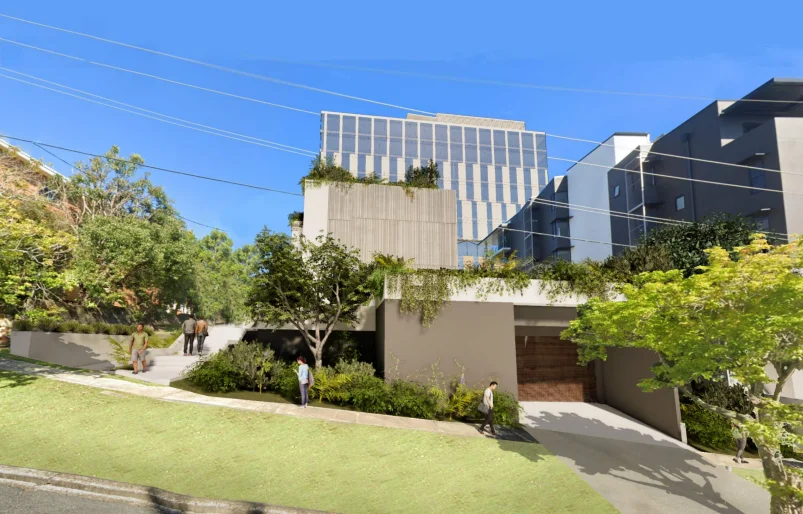
Wesley Hospital in Auchenflower is set to undergo a significant expansion, with plans lodged for two 10-storey towers.


Photo Credit: Urban Strategies

The project, proposed by UnitingCare (MID-0624-0852 – Chasely Street Health Hub), aims to address Queensland’s increasing demand for healthcare services.

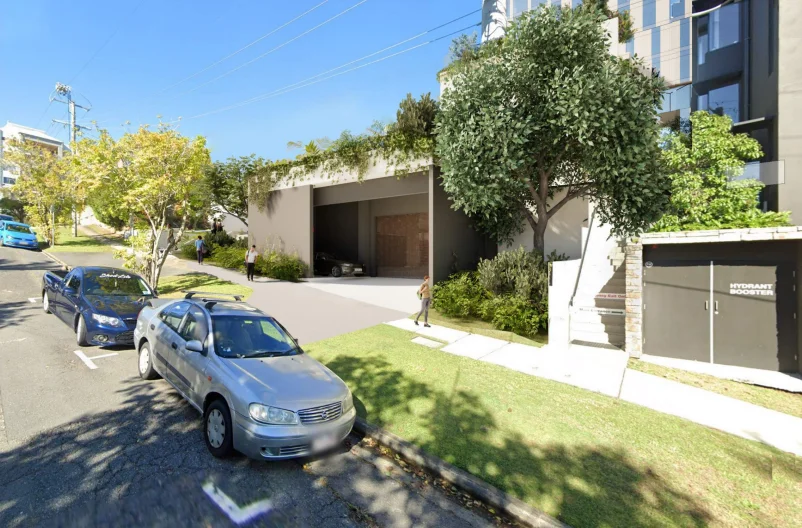
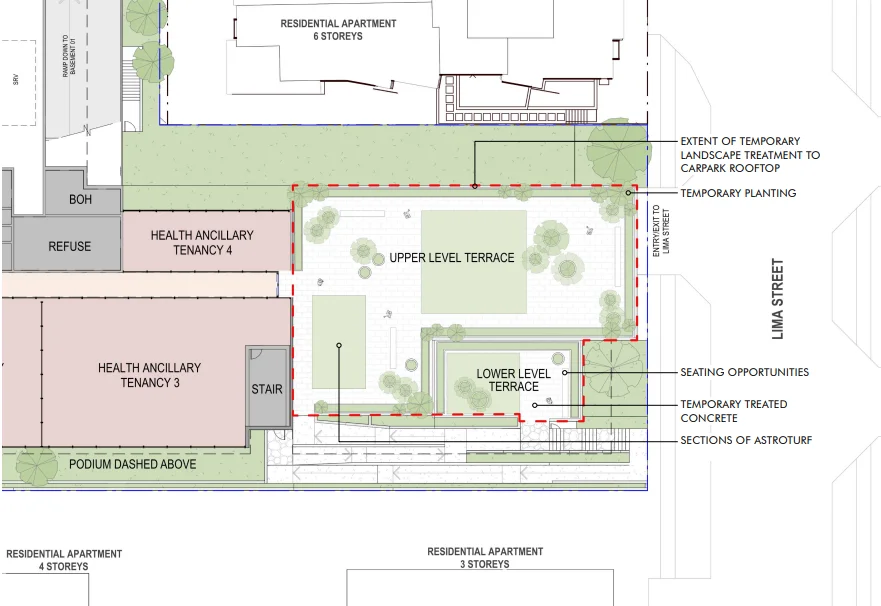
The proposed development includes a new medical building housing various services, including allied health, medical imaging, radiology, pharmacy, and specialist health services. A 10-storey accommodation tower is also planned to provide accommodation for families and carers of regional patients.

The new accommodation tower will replace the outdated Wesley Rotary Lodge and offer modern and comfortable facilities. The medical building will be connected to the existing Wesley Hospital via a pedestrian bridge, enhancing accessibility and convenience for patients and staff.

Moorlands, a historic property near the Wesley Hospital, is not part of the redevelopment plans and will remain preserved.
Photo Credit: Urban Strategies

While the project is expected to benefit the community significantly, it has also raised concerns about potential impacts on traffic and local infrastructure. UnitingCare has engaged with local stakeholders and is considering feedback to refine the design.

The expansion will take at least 12 months, and construction will commence in the coming year.


The project is being undertaken under the Ministerial Infrastructure Designation scheme, which streamlines the planning process. Public consultations on the proposal are ongoing and will conclude on 25 November.

Published Date 20-November-2024

Two Boys Critical After Car Accident in Auchenflower

On September 27, 2024, at approximately 1:15 PM, a serious car accident occurred in Auchenflower. The incident took place on Vincent Street when a car collided with a pole, resulting in injuries to four children.


Paramedics responded to the scene and found two primary school-aged boys with life-threatening injuries. One boy suffered abdominal injuries, while the other sustained head injuries. Both were immediately transported to Queensland Children’s Hospital in critical condition.

Two other boys involved in the crash were also taken to Queensland Children’s Hospital. Their injuries were reported as minor, though the full extent of their conditions is not yet known.

A Queensland Ambulance Services spokesperson reported that paramedics treated a man at the scene for injuries. However, the man declined further medical care and was not transported to the hospital. The extent of his involvement in the crash remains unclear.


Local authorities are investigating the circumstances of the accident. No further details about the cause of the crash or the identities of those involved have been released at this time.

Published 27-September-2024

Express Delivery Incident Raises Concerns in Auchenflower

On September 9, 2024, an Auchenflower resident reported an incident with Australia Post‘s express delivery service. The customer, who wishes to remain anonymous, captured video footage of an Australia Post delivery van passing his house without stopping to deliver an express parcel.


The incident occurred just before 11:30 am. The footage shows the white Australia Post van slowing down near the customer’s house, with the driver briefly holding a phone out the window, apparently to photograph the letterbox, before driving away without attempting delivery.

Video Credit: reddit.com / @birribama

The Auchenflower resident had paid for express delivery of air conditioner parts. He reported being at home at the time of the incident, caring for his children. Despite being present, he received a notification stating he wasn’t home during the delivery attempt.

This prompted the customer to file a complaint with Australia Post. He expressed frustration at being unable to receive his express delivery as planned and had to collect the parcel himself on Wednesday from the Toowong Business Centre.

Australia Post conducted an investigation into the incident through the Pinkenba Parcel Delivery Centre. They confirmed that the issue had been addressed with the staff member involved, and that measures were taken to prevent similar occurrences.


Australia Post charges between $14.45 and $31.35 for express postage, depending on parcel size. In response to this event, an Australia Post spokeswoman acknowledged that the incident fell short of their expected standards for driver contractors and apologised to the customer.

Published 11-September-2024