Four men have been charged after a series of alleged slingshot assaults across Brisbane’s western suburbs, with one of the first reported victims struck in Paddington.
A Paddington woman was among four people allegedly injured during a series of drive-by slingshot attacks across Brisbane’s western suburbs, prompting Queensland Police to appeal for any additional victims to come forward.
Police allege a group of four men used homemade slingshots and pocket-shot style devices to fire metal objects from a moving vehicle at members of the public on multiple nights between May 27 and May 31.
Four People Reported Injured Across Western Brisbane
According to Queensland Police Service, a 22-year-old woman was struck on the forehead in Paddington on May 27. On the same day, a 36-year-old woman was allegedly struck on the hand in Toowong.
Further incidents were reported on May 31, when a 53-year-old man was allegedly struck in the back in Toowong and a 64-year-old woman was allegedly struck in the jaw in St Lucia.
Police believe additional incidents may have occurred during the same period.
Photo Credit: QPS
Vehicle Stopped in Chapel Hill
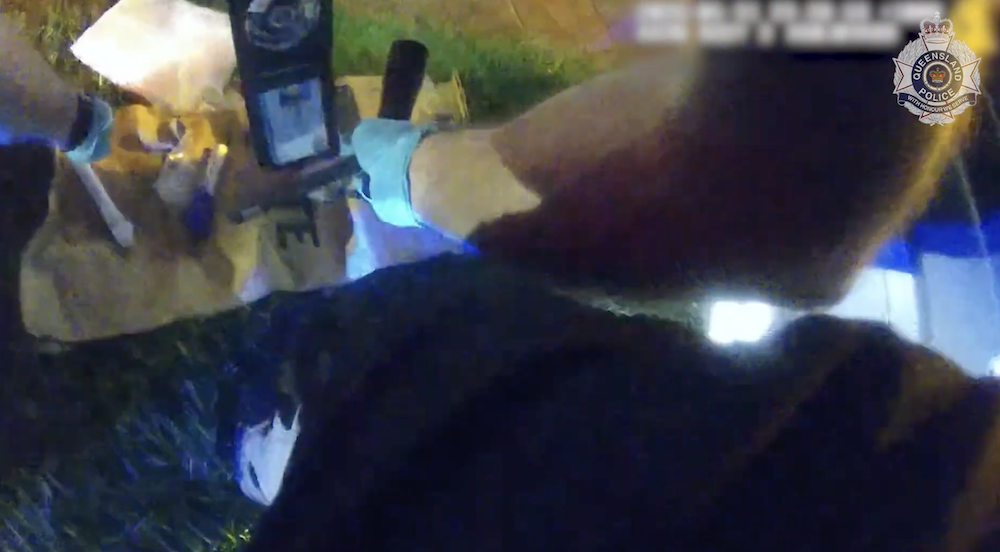
Police intercepted a Hyundai i30 on Chapel Hill Road shortly after 11:00 p.m. on May 31.
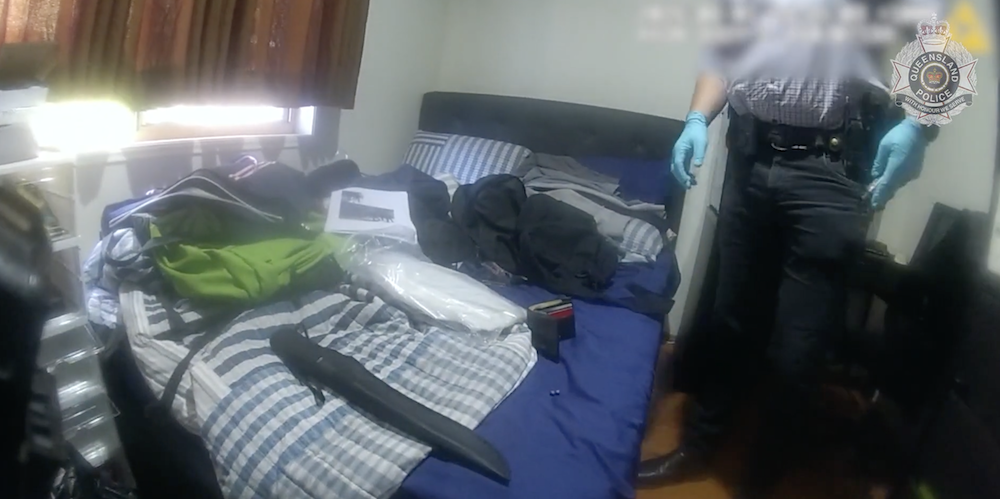
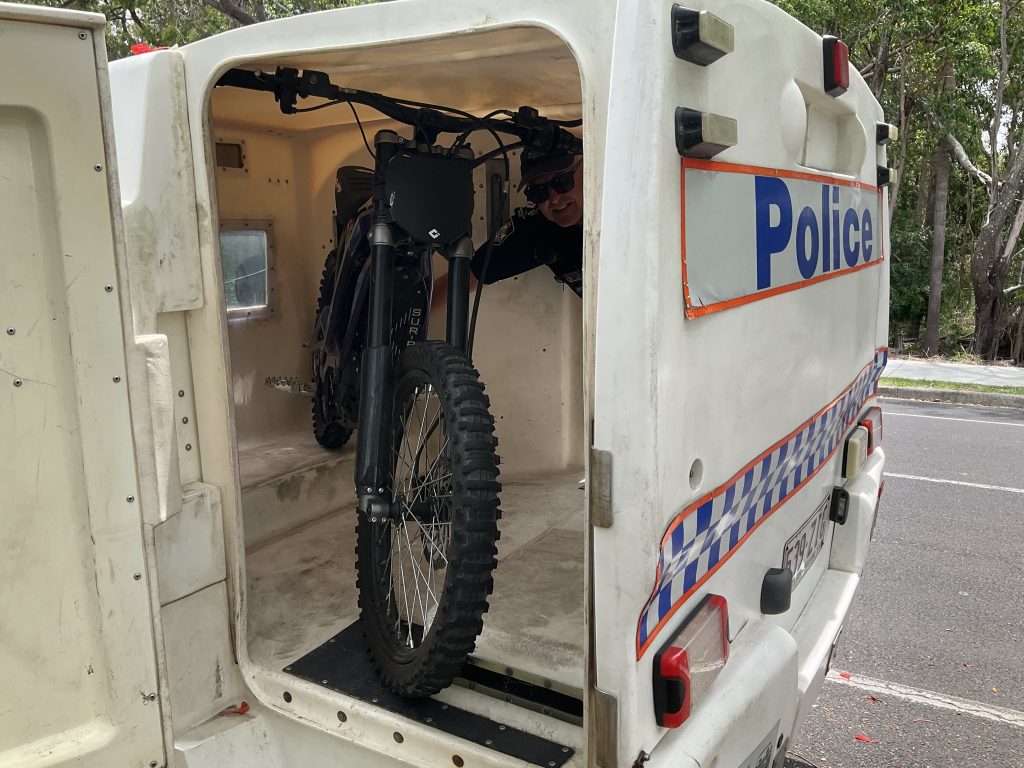
Investigators allege they located two handmade slingshots, two pocket-shot style devices and a set of knuckle dusters inside the vehicle.
Two men were detained at the scene.
Photo Credit: QPS
Search Warrants Lead to Further Charges
Queensland Police later executed search warrants at properties in Redbank Plains and Forest Lake.
Police allege officers located items connected to the assaults, along with cannabis and drug utensils.
Three 19-year-old men and one 20-year-old man have since been charged with a range of offences, including assault occasioning bodily harm, serious assault of a person over 60, common assault and discharging a weapon in a public place.
One of the accused was remanded in custody while the remaining three were granted bail.
Police Appeal for More Witnesses
Investigators say enquiries are continuing and are urging anyone who may have been struck by an object thrown from a vehicle in Paddington, Toowong, St Lucia or Chapel Hill to contact police.
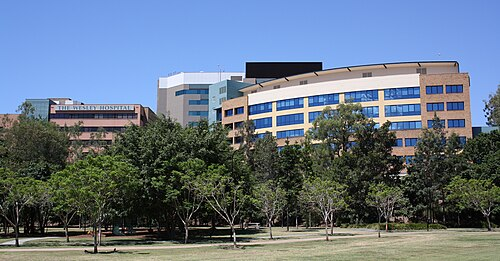
Production on Honeymoon with Harry, the Amazon MGM Studios comedy-drama starring Kevin Costner and Jake Gyllenhaal, has turned the street outside Wesley Hospital into a convincing stretch of Chicago.
Locals who passed by the scene this week described it as completely out of place in the most satisfying way possible. Reddit commenters joked they had stepped into a “wormhole to Chicago.” A Wesley Hospital employee confirmed on Facebook that staff had the chance to go behind the scenes during the shoot. “Filming Honeymoon with Harry. Work there and got to see behind the scenes. Saw Jake Gyllenhaal and Kevin Costner,” Adam Noble wrote.
The Wesley Hospital shoot is one of several Brisbane locations the production has occupied since filming began on 16 April, with sightings of the cast stretching from Fortitude Valley to the CBD and as far north as Noosa.
A movie twenty years in the making
Honeymoon with Harry has been in development since the early 2000s, cycling through various directors and star attachments including Jack Nicholson and Vince Vaughn, then Robert De Niro and Bradley Cooper, before the current version came together in August 2025 with Costner and Gyllenhaal confirmed to star.
The film follows a rough-around-the-edges man named Todd, played by Gyllenhaal, who ends up sharing an unwanted honeymoon with his late fiancée’s overprotective father Harry, played by Costner, after a life-altering event upends their plans. The two men clash and bicker across an island honeymoon before gradually finding an unexpected bond.
It is an emotional dramedy with a cast that has only grown more impressive since principal photography began, with Rita Ora and Shaggy joining in mid-April alongside Sarah Pidgeon, who plays Harry’s daughter Haley.
The film is directed by Glenn Ficarra and John Requa, the duo behind Crazy, Stupid, Love and the television series This Is Us, with a screenplay by Dan Fogelman, who created This Is Us and also serves as a producer. It is distributed by Amazon MGM Studios.
Brisbane’s chameleon role on screen
The production has moved fluidly across Brisbane’s inner suburbs and CBD, using the city’s architecture and streetscapes as stand-ins for locations the story requires.
The Chicago emergency vehicle setup outside Wesley Hospital is the most visually dramatic example, but filming has also taken place at 111 Eagle Street and 66 Eagle Street in the CBD, with building managers at Eagle Street notifying tenants in advance of possible shoot activity in and around their foyers.
Photo Credit: Wikipedia
The RNA Showgrounds at Bowen Hills is serving as the production’s base of operations for trailers, extras holding, catering and equipment. Filming is also taking place in the Whitsundays for the movie’s island honeymoon sequences.
The directors were matter-of-fact about why Queensland works so well for a story that spans Chicago and the Caribbean. “We’re doing Chicago, the Caribbean and everything in between, all within a day’s reach,” Ficarra and Requa said. “The crew are great and the weather’s even better.”
A boost for Queensland’s growing screen sector
Screen Queensland confirmed the production is estimated to contribute $51 million to the state’s economy and employ 215 people, covering local crew, construction, catering, transport and accommodation suppliers across the shoot. Honeymoon with Harry is supported through the Location Offset and Screen Queensland’s Production Attraction Strategy.
Recent Amazon MGM Studios productions made in Queensland include Balls Up, The Bluff, Subversion, Voltron and the Untitled Mike Thornton Project, making Honeymoon with Harry the latest in a deepening relationship between one of the world’s largest studios and Queensland’s screen production sector.
No release date for the movie has been announced. For more about Screen Queensland’s work attracting major productions to the state, click here.
Fruition Hair, with its Red Hill salon has been named Australian Salon of the Year at the 2026 Australian Hair Fashion Awards, held on 19 April at Sydney Town Hall, claiming the night’s most prestigious business title against the best salons in the country.
The win did not come alone. Fruition stylist Louise Graham took Queensland Hairdresser of the Year at the same ceremony, and Helmet Hair Co., the Nundah salon founded by the same owner as Fruition, added Apprentice of the Year through Jake Pafumi.
Together, the three titles gave the Fruition group a sweep of Australia’s most respected industry awards spanning salon leadership, advanced styling and emerging talent in a single night.
Fruition was also represented in two further national finalist positions. Louise Graham earned a national finalist spot for Australian Creative Colourist of the Year, and Helmet Hair Co.’s Max Cooper was a finalist for Australian Hairdresser of the Year.
The Person Behind the Salons
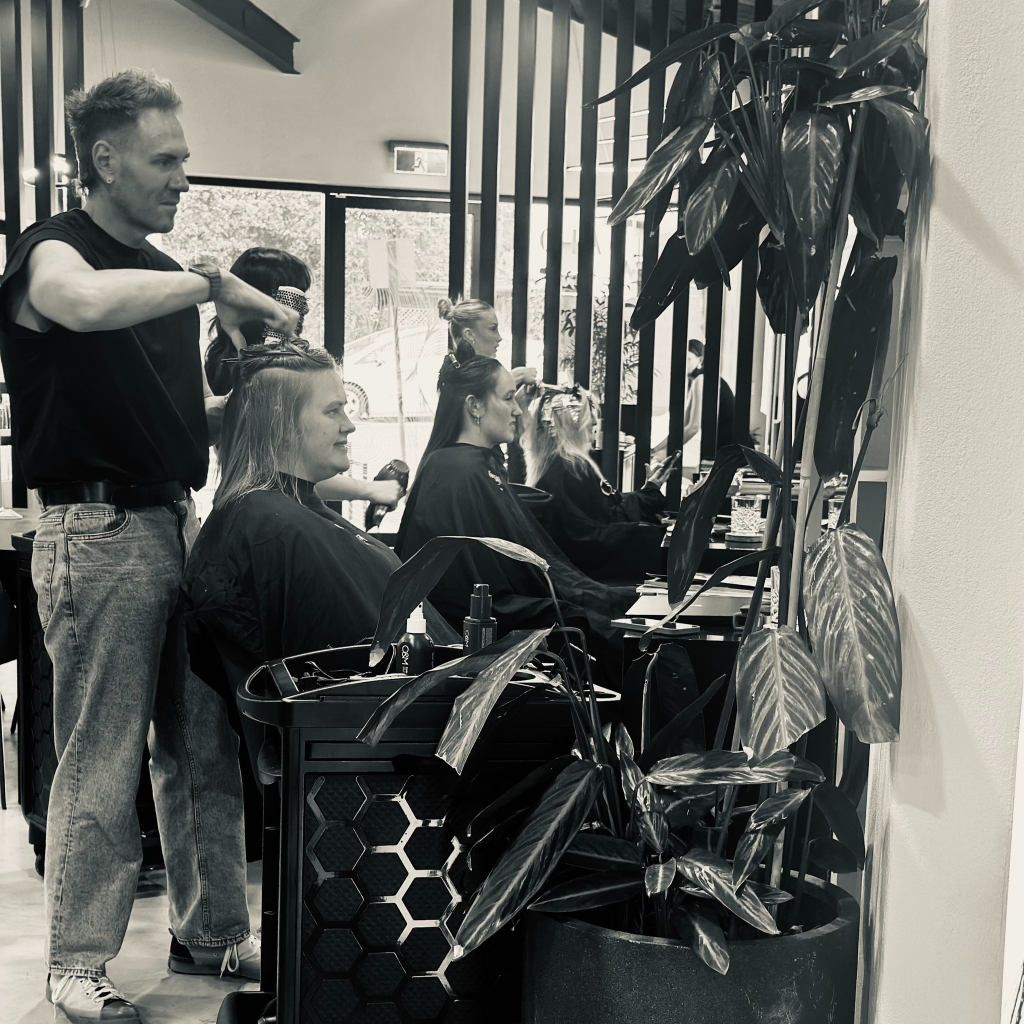
Craig Smith has been a fixture in Brisbane’s hairdressing world since opening Fruition in the Brisbane CBD in 1996, relocating to Wilston in 2012 and later establishing the Red Hill salon to bring the Fruition experience closer to the inner-west community.
Photo Credit: Supplied
He is himself an AHFA Australian Hairdresser of the Year alumni, and has spent three decades building a group that pairs high-end technical work with genuine mentorship at every level.
Smith also co-owns Helmet Hair Co., the Nundah salon described on the Fruition website as “the cool, creative little sister/brother to Fruition,” grown from the same commitment to exceptional hair but with a bolder, more rebellious character. The fact that both brands contributed to the same awards night sweep reflects the depth and consistency Smith has cultivated across his group.
Fruition Red Hill, led day-to-day by salon director Chad Nicholson alongside Smith’s creative direction, is known for its elevated but unpretentious feel: expert craftsmanship, award-winning stylists and the kind of considered service that has kept a loyal client base coming back for years. Reviews consistently point to Louise Graham as one of the most trusted stylists in the building.
“I have been going to Fruition Hair for years now and have always seen Louise,” one client noted. “She has completely transformed my hair into the hair I had when I was a child, thick, healthy and long. Louise is incredibly knowledgeable, caring and consistent, and you can truly tell she loves what she does.”
A Closer Look at Salon of the Year
The AHFA, which has been running since 1992, is judged by an international panel of industry experts and is the longest-running and most prestigious independent hairdressing awards programme in Australia and New Zealand. Salon of the Year does not recognise a single moment of creative work. It recognises how a business operates across every dimension: team development, client experience, culture, commercial performance and consistency over time.
Winning it places Fruition in the company of the most respected salon businesses Australia has produced. For a salon operating in Red Hill and Wilston rather than a major CBD flagship location, it is a result that says something clear about the standard being set on Musgrave Road.
Book and Find Out More
Fruition Red Hill is at 160 Musgrave Road, Red Hill, phone (07) 3506 0216. Fruition Wilston is at Shop 1, 2 Heather Street, Wilston, phone (07) 3356 3311. Bookings and information can be viewed here, or follow the salon on Instagram.
Queensland University of Technology has unveiled a sweeping 25-year masterplan that would transform its Kelvin Grove campus into a mixed-use urban precinct of highrise towers, affordable housing for essential workers, on-site student accommodation and vibrant new public spaces — with the Olympic Games as a catalyst.
The 2026 to 2050 Campus Master Plan, released in March, is already generating real momentum. QUT moved quickly to launch an expressions of interest campaign for new student accommodation on an underused part of the Kelvin Grove site, even as the broader masterplan’s most ambitious changes remain years away from realisation.
Kelvin Grove is the main campus for QUT’s communication, creative industries, design, education, health and justice students, located in the thriving Kelvin Grove Village. The masterplan now positions the campus as far more than a university precinct, with residential, commercial and community functions woven through the site in a way that would make it one of Brisbane’s most significant urban villages.
A Campus That Grows Into Its Neighbourhood
The Kelvin Grove masterplan proposes a mixed-use highrise development at 5 Musk Avenue, combining commercial and residential spaces on a site that currently sits underutilised. The plan transforms Parer Place into a flexible outdoor space that doubles as a public plaza and events area, injecting new life into the heart of the campus. It introduces further residential towers within a central hub, while developers will deliver on-site affordable student accommodation at 95–107 Musk Avenue, bringing hundreds of students onto campus and supporting surrounding retailers.
Perhaps the most significant proposal for the local community is the Parkside South precinct. Adjacent to the Victoria Park Olympic venues and within reach of a Brisbane Metro stop and the Royal Brisbane and Women’s Hospital, Parkside South would deliver a mix of market-rate and affordable housing specifically designed for essential workers, filling a gap in the local housing supply that has grown more acute as the suburb has become increasingly desirable.
The plan consolidates teaching spaces into northern and southern clusters to improve accessibility and efficiency, while new pedestrian connections link the campus more directly to surrounding parkland and the wider neighbourhood.
The Olympics Are Reshaping What’s Possible Here
The timing of the masterplan is deliberate. Kelvin Grove sits immediately adjacent to Victoria Park, the planned site for the proposed main Olympic stadium for Brisbane 2032, and QUT has designed the plan specifically to complement that transformation.
“With the QUT Kelvin Grove campus neighbouring exciting development for Brisbane 2032, this plan complements the Victoria Park redevelopment and other city-shaping initiatives,” Vice-Chancellor Professor Margaret Sheil said.
The Brisbane Metro will connect the campus directly to Victoria Park and plays a central role in the plan’s vision for improved connectivity. Upgraded pathways will make the Creative Industries precinct easier to navigate, while planners will strengthen connections to the Royal Brisbane and Women’s Hospital to align with the broader suite of city-shaping projects underway.
A Plan for the Future
The Campus Master Plan reflects five years of engagement with staff, students, industry partners and the broader community, and positions the campuses as vibrant, collaborative hubs of innovation and creativity. For Kelvin Grove and Paddington residents, the changes represent a substantial evolution of their immediate neighbourhood, one that brings more people, more amenity and more connection to one of the fastest-changing parts of Brisbane.
Sheil framed the masterplan as a commitment to keeping QUT central to city life. “By aligning with Brisbane’s broader growth and development strategy, the Campus Master Plan ensures QUT remains accessible, future-ready and central to the city’s economic, social and cultural life,” she said.
Enquiries about the masterplan can be directed to masterplan@qut.edu.au. The full document is available to download here.
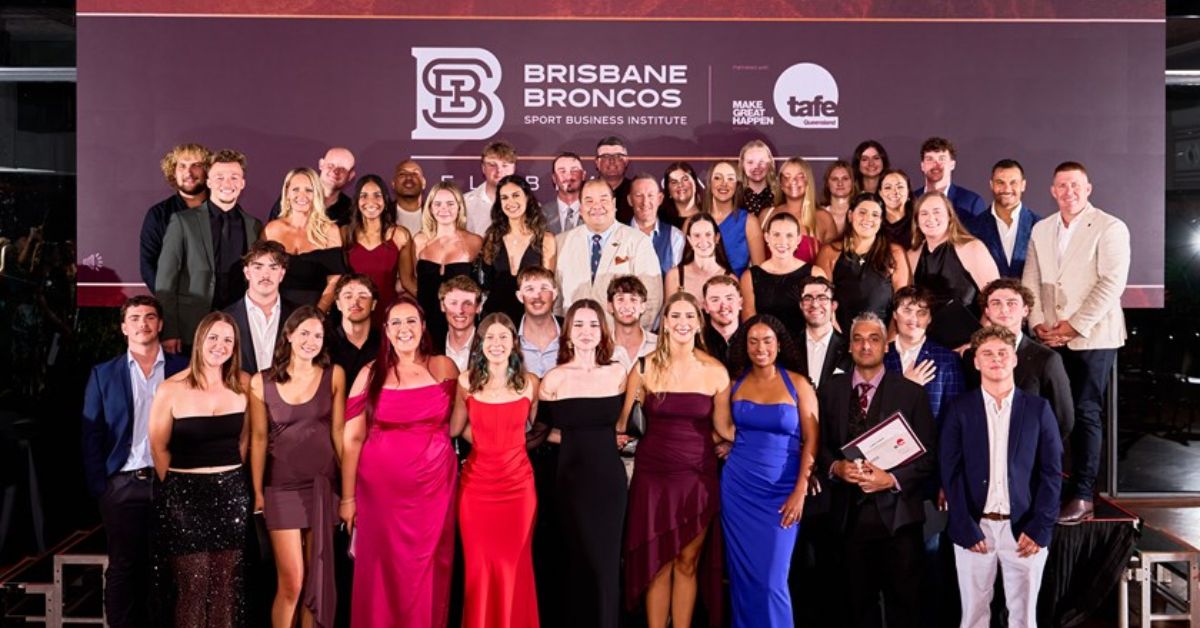
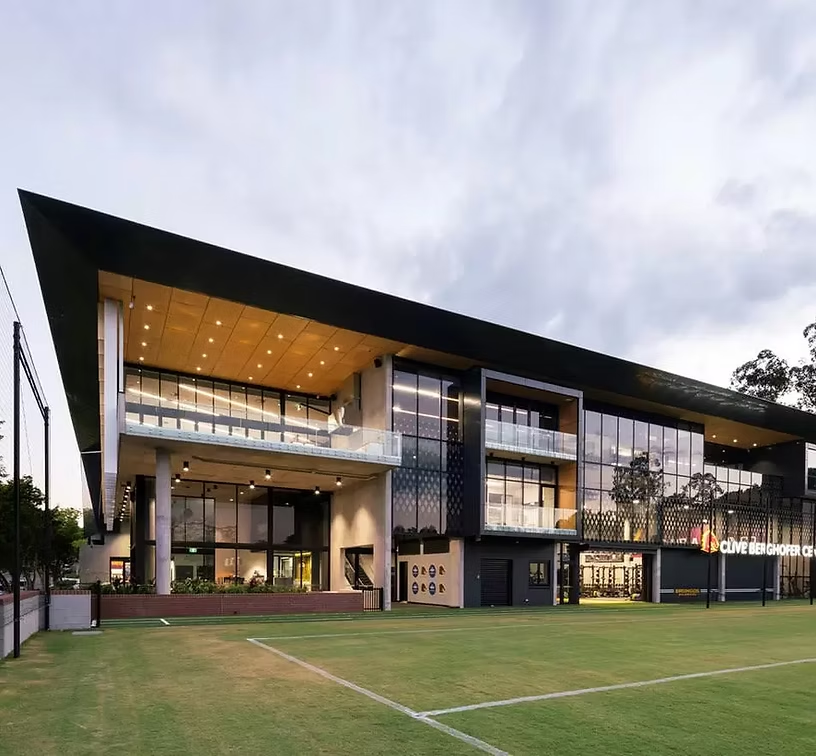
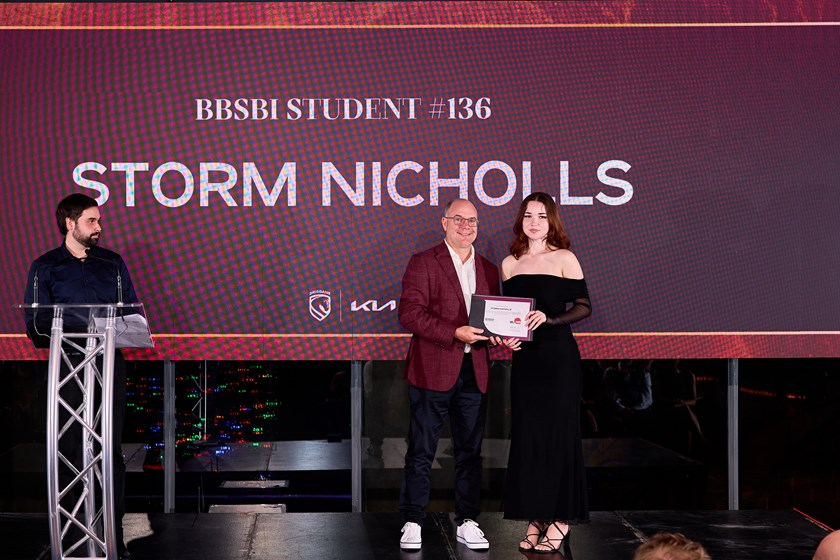
The Brisbane Broncos Sport Business Institute, delivered in partnership with TAFE Queensland from the Clive Berghofer Centre on Fulcher Road in Red Hill, has celebrated its 150th graduate, marking a significant milestone for a program that has quickly established itself as one of Australia’s most distinctive sport industry education pathways.
Launched in 2023 as Queensland’s first accredited education program embedding work-integrated learning across an entire professional sporting organisation, the institute has grown steadily across three years of operation. The 150th graduate milestone reflects consistent demand from students seeking a credentialled, practical pathway into the sport and entertainment industry, delivered not from a conventional classroom but from within the operational structure of one of the NRL’s most recognised clubs.
What the Program Offers
The Brisbane Broncos Sport Business Institute delivers a dual qualification across one year of full-time study, combining a Diploma of Sport and a Diploma of Leadership and Management. Students gain a nationally recognised credential spanning both sport-specific competencies and broad business management skills, with the dual-diploma structure designed to open doors across the sport industry and beyond.
The program’s most distinctive feature is its 100 hours of work-integrated learning placed directly across Brisbane Broncos departments, spanning areas including membership, game development, fan engagement, community partnerships and events. Students work alongside Broncos staff on live projects and real operational deliverables, building industry networks and practical skills simultaneously.
Brisbane Broncos staff and players also support TAFE Queensland educators in content delivery, giving students direct exposure to how an elite NRL club operates across its commercial, football and community functions.
The curriculum spans emotional intelligence, critical thinking, workplace relationships, team effectiveness, business risk management, project management and anti-doping and integrity, equipping graduates with a well-rounded professional foundation relevant to a wide range of sport industry roles.
From Student to Staff: A Proven Pathway
The institute’s strongest evidence of impact lies in its graduate outcomes. The program guarantees a minimum of two graduate roles at the Brisbane Broncos for students completing each intake, providing a direct employment pathway that most educational programs cannot match. Students who complete their 100 hours of work-integrated learning may also be considered for casual roles at the club during the course.
The graduate journey of 2024 alumna Abby Mills illustrates the pathway clearly. Mills completed placements in community partnerships and events during her time in the program, working across landmark club moments including the Presentation Ball and the NRLW Launch.
After graduating, she transitioned into a project coordinator role at the club, contributing to the Broncos’ major brand refresh. Her experience reflects the institute’s intent: to create a pipeline from enrolled student to employed professional within the Broncos organisation and the broader sport industry.
For graduates who pursue opportunities outside the club, the dual-diploma qualification carries articulation pathways into a range of undergraduate degrees across Queensland universities, providing a bridge from the vocational sector into higher education for those who choose to continue their studies.
The model, embedding accredited vocational education inside professional sporting environments, has proven a compelling alternative to traditional business or sport management degrees for students who want immediate practical immersion rather than theoretical preparation.
For Paddington, Red Hill and the inner-western suburbs, the presence of a nationally recognised sport business education program operating from the Clive Berghofer Centre adds another dimension to a sporting precinct already central to Brisbane’s rugby league identity.
The institute draws students from across Brisbane and South East Queensland, many of whom spend their study year engaging daily with one of the city’s most iconic organisations from a campus that most residents associate purely with game days.
How to Apply
The Brisbane Broncos Sport Business Institute runs three cohorts in 2026, with two having commenced in January and a final intake opening in April. Applications for the April intake are currently open through TAFE Queensland. Prospective students can register their interest, attend an information session or book a one-on-one program call through brisbanebroncossbi.com.au, or contact the team directly at study@broncos.com.au.
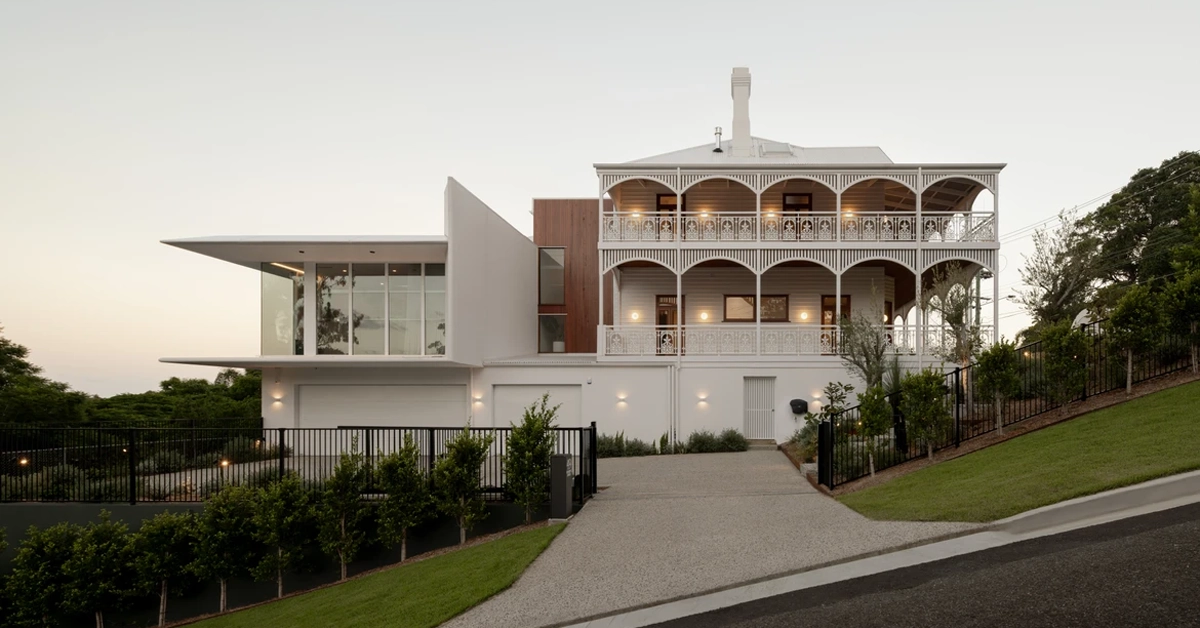
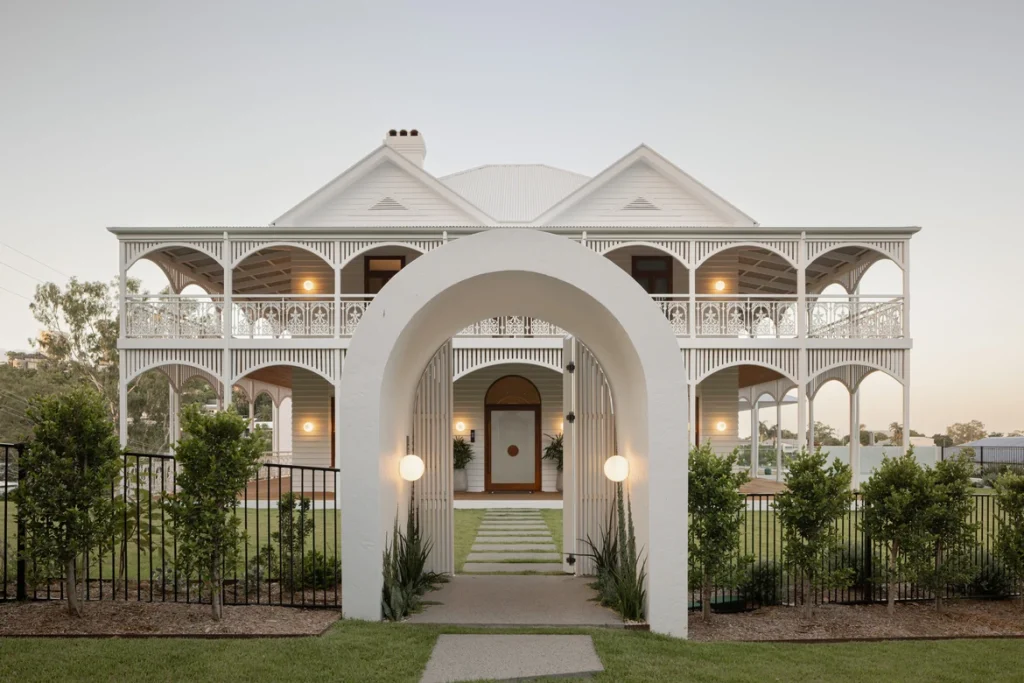
There is a Paddington heritage home on Reading Street that locals have walked past for well over a century — and it has just been returned to the market with a price guide of $13 million, following a remarkable year-long renovation that has put it firmly in the running to break the suburb’s property price record.
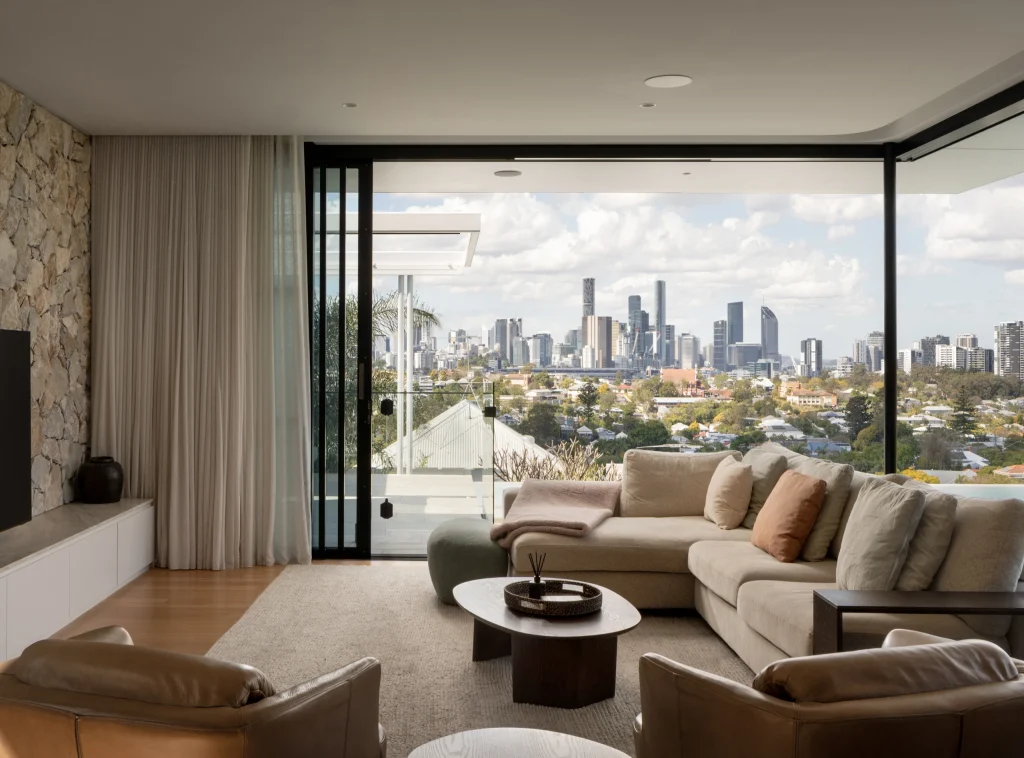
Known as “Governess”, the filigree-clad home at 49 Reading Street sits on a generous 1,634-square-metre corner block with sweeping views of the Brisbane city skyline. The property is understood to have been designed by architect Benjamin Backhouse — the same man behind the original design of Government House, which sits just across the road on Fernberg Road. Government House, originally commissioned in 1865, is listed on the Queensland Heritage Register and remains one of Brisbane’s most significant heritage properties. That Governess shares this architectural lineage gives it a distinct historical weight that is unusual even by Paddington standards.
The home’s recent chapter began when medical manager Clare Gorman and surgeon Justin Perron purchased the property with the aim of transforming it into something cohesive. Over the years, piecemeal updates had left the 1860s residence feeling disjointed — rooms that no longer connected intuitively, and a layout at odds with how families live today. According to Gorman, the renovation was less a straightforward building job and more like solving a long-running architectural puzzle.
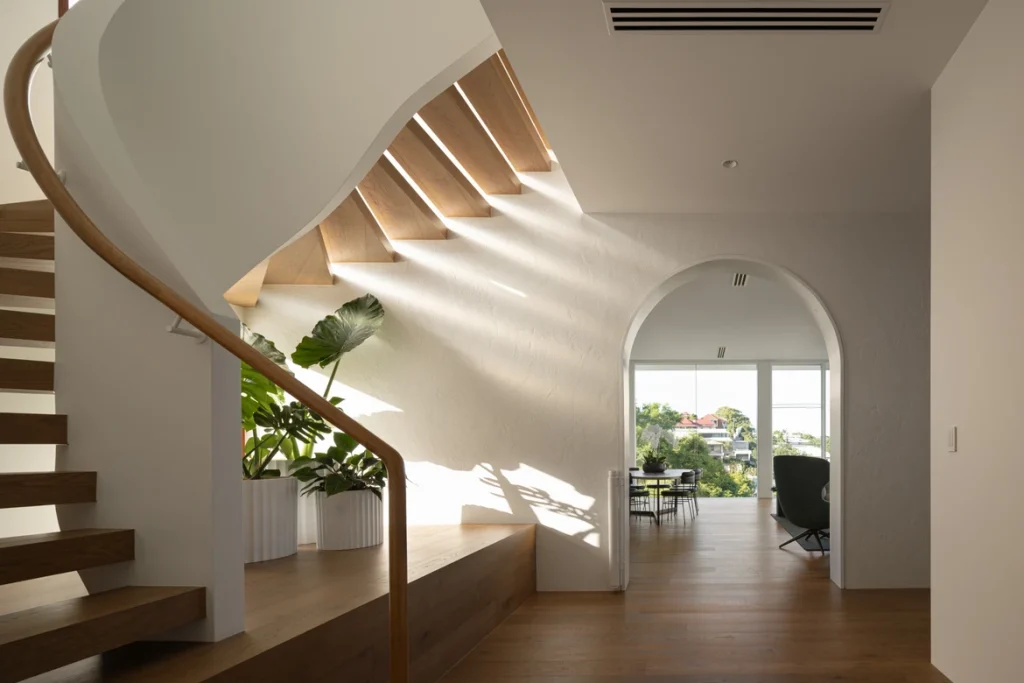
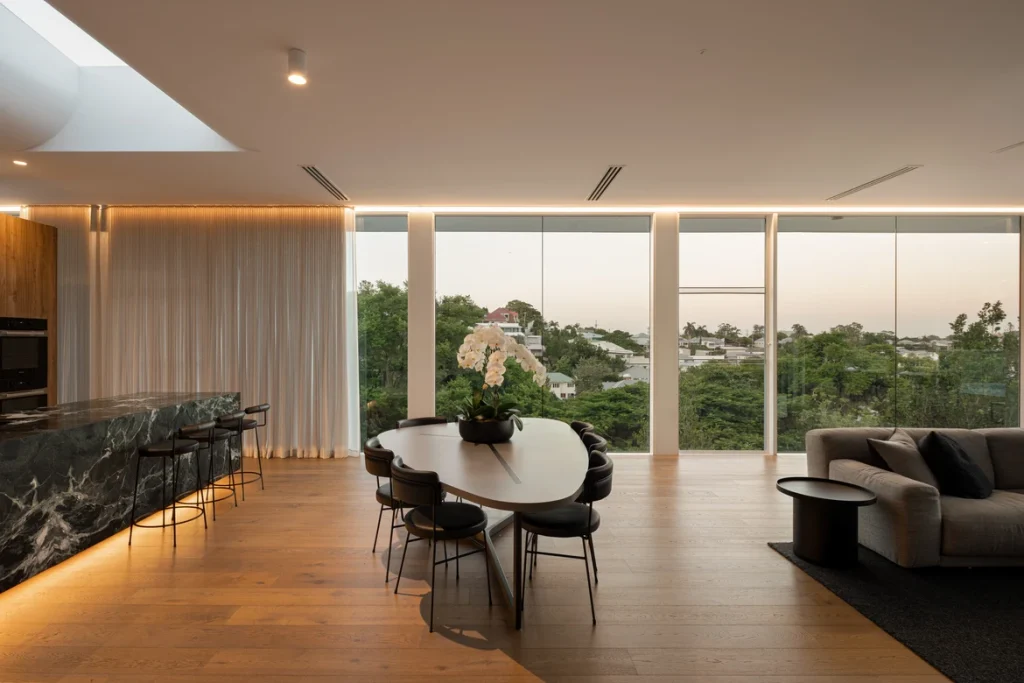
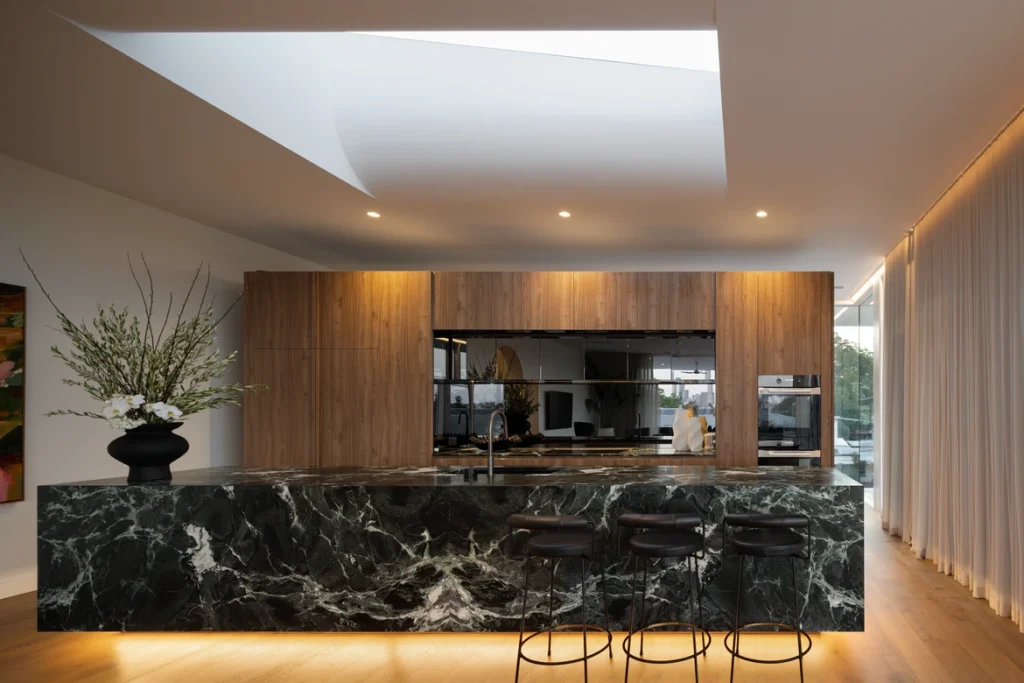
Award-winning Brisbane builders Graya were engaged to carry out the work, and the project took just over a year to complete. The result is a five-bedroom home that weaves together its original heritage bones and a confident contemporary vision. At its centre is a striking spiral staircase that divides the old from the new, while a 4.5-metre marble island anchors a kitchen designed with serious cooking in mind. Windows wrap around the space, offering leafy outlook even from the butler’s pantry, and the flow extends outward to a timber deck and resort-style pool.
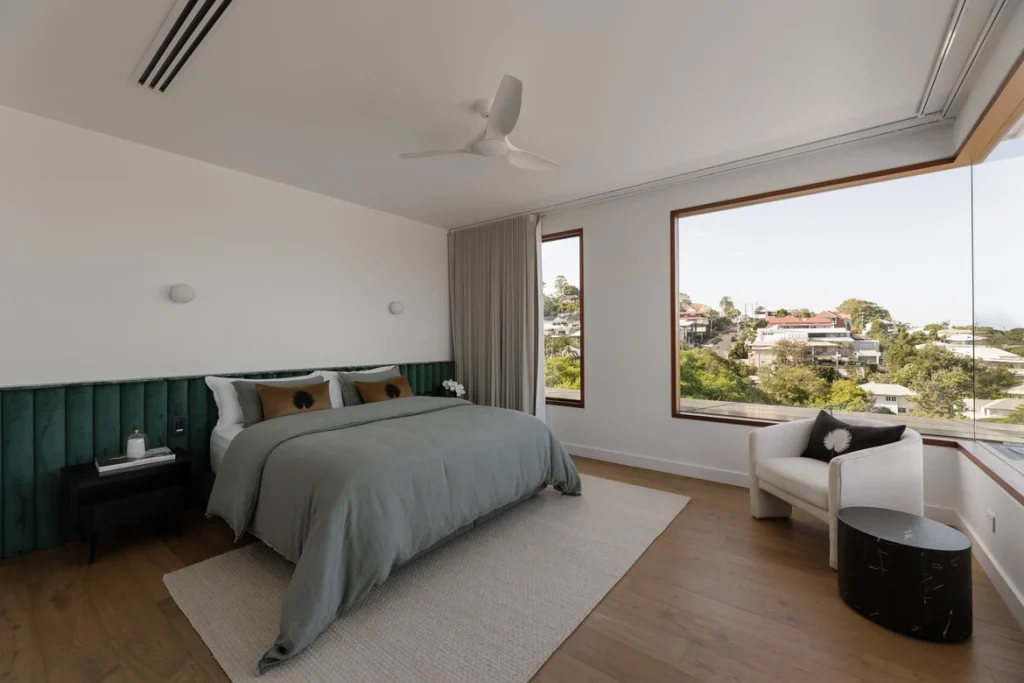
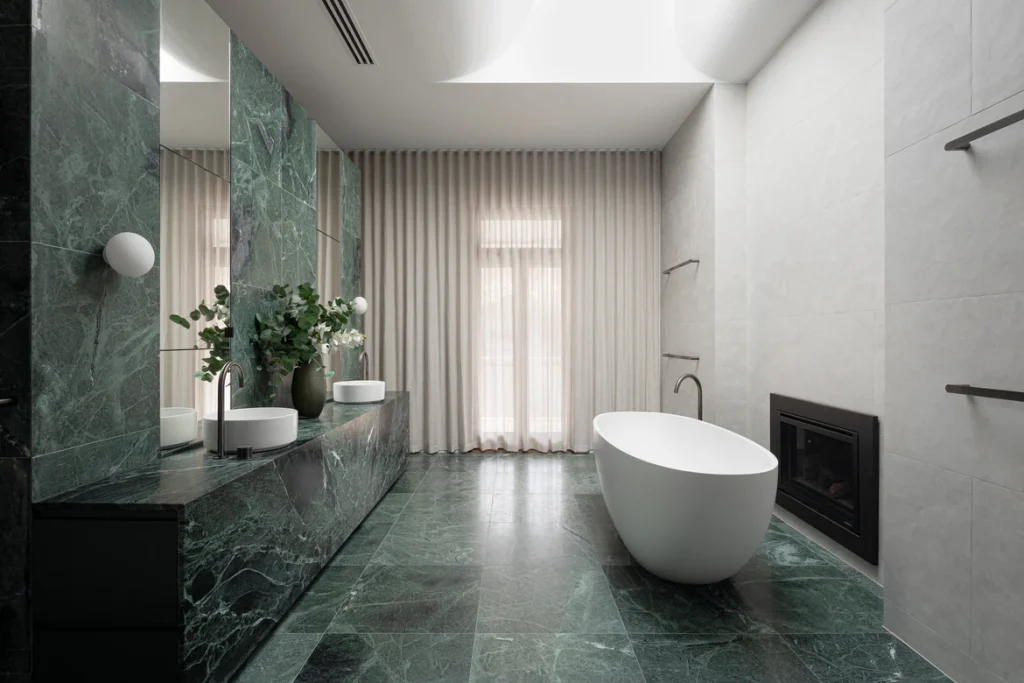
The top floor is given over entirely to a private primary suite, complete with its own lounge, dressing room and an ensuite featuring a fireplace and skylight above a freestanding bath. Additional features include a study, gym, five-car garage and internal lift, as well as home automation and a security room.
For Gorman and Perron — who have a 13-month-old child — the decision to sell comes down to a desire to downsize while staying in the suburb they love. Gorman has described the finished home as a unified vision of Brisbane history and “Graya flair”, ready for whoever takes it on next.
The current Paddington house price record stands at $11.8 million, set early last year for a fully renovated pre-war five-bedroom home on Garfield Drive. A sale at the $13 million price guide would comfortably surpass that figure.
A parliamentary inquiry into e-mobility safety has recommended that riders under 16 be banned from operating e-bikes and e-scooters in Queensland, that all riders hold at least a learner’s licence, and that devices capable of exceeding 25km/h be reclassified as motorcycles — recommendations that AMA Queensland, whose head office sits in Kelvin Grove, has formally welcomed as measures that will save lives.
The inquiry, tasked in May last year with investigating safety issues including increasing crashes, injuries and fatalities, released its report in early March 2026 containing 28 recommendations across safety, lithium-ion battery fire risk, retail of devices, enforcement and community education. The recommendations represent what the inquiry described as a new national standard for the management of e-scooters and e-bikes.
What Prompted the Inquiry
The scale of the problem drove the inquiry’s formation. In 2025, 12 Queenslanders died in e-mobility-related incidents, including children, and more than 6,300 people presented to emergency departments with injuries. AMA Queensland described most of those incidents as likely preventable.
The human cost of the current regulatory environment is reflected in the inquiry report itself, which personally names eight-year-old Zeke Hondow, who died in October 2025 after being struck by a high-powered e-motorcycle while riding home from school on the Sunshine Coast. His mother Kloe Weedon began advocating for age limits within weeks of his death and welcomed the report’s recommendations, describing the proposed changes as significant and expressing hope they would be adopted swiftly.
The 28 Recommendations at a Glance
The inquiry’s central recommendation is that e-bikes and personal mobility devices be restricted to riders aged 16 and over. Alongside the age restriction, all riders would be required to hold at least a Queensland Class C learner licence, which requires completion of an online learning programme. The age and licence requirements would not apply to e-wheelchair users.
Photo Credit: Andrew Quilty
On speed, the inquiry recommends reducing the footpath speed limit for all e-mobility devices to 10km/h. Devices with a top speed above 25km/h would be reclassified as motorcycles or mopeds, requiring riders to hold an appropriate driver’s licence, the vehicle to be registered, and use restricted to roads only. The inquiry also recommends that all e-mobility devices with an electrical power source be defined as motor vehicles under legislation, simplifying enforcement.
Additional recommendations include giving police the power to seize and impound illegal e-mobility devices on a first offence, including the ability to dispose of or destroy a device. Parents and guardians would be liable for penalties when children under 16 breach e-mobility regulations. Riders would also be subject to the same alcohol and drug rules that apply to other road users.
On infrastructure, the inquiry recommends embedding e-mobility into strategic transport planning through high-quality, connected and separated pathway networks, and a community safety campaign rollout for riders, drivers and the broader community.
AMA Queensland’s Response
AMA Queensland, based at Kelvin Grove, made a formal submission to the inquiry in June 2025 and appeared at hearings in August last year. The organisation had been advocating for an under-16 ban well before the report’s release, writing to transport authorities in November 2025 urging action ahead of the inquiry’s findings.
AMA Queensland president Dr Nick Yim said the recommended age restriction was a sensible and responsible outcome. He noted that 16 is the age at which Queenslanders begin learning to drive, acquiring road rules knowledge and developing the awareness needed to share roads safely. Yim said emergency doctors had treated significant injuries in paediatric and adolescent patients whose consequences extended beyond the individuals to their families, friends and treating clinicians over the long term.
Yim also welcomed the recommended speed reclassification threshold, the alcohol and drug rules alignment and the infrastructure recommendations. AMA Queensland has advocated for active travel infrastructure improvements, particularly around schools, parks and hospitals, and sees e-mobility as having a genuine role in affordable transport access, physical activity and emissions reduction — provided it operates within a safe regulatory framework.
Bicycle Queensland chief executive Matt Burke supported the age restriction but raised concerns about the licence requirement, arguing it was without precedent internationally and would significantly affect food delivery riders and tourists using hire schemes.
Why These Restrictions Benefit the Paddington and Kelvin Grove Community
The Paddington and Kelvin Grove area sits within a dense inner-Brisbane corridor where e-scooters and e-bikes share footpaths, bike lanes and roads with pedestrians, cyclists and school students. The proposed restrictions address the specific conditions that produce the most serious injuries: young riders without road rules training, devices travelling at speeds incompatible with shared path use, and no enforceable consequence for illegal devices.
A footpath speed limit of 10km/h, combined with the reclassification of high-powered devices as motorcycles, directly reduces the risk to pedestrians on the busy shared paths that run through Paddington, Kelvin Grove and the surrounding inner west. The licence requirement, if adopted, ensures that riders on local streets have at minimum completed Queensland’s online road rules programme before operating a device in traffic.
For families in the area, the parental liability provisions mean that the consequences of a child riding illegally extend to adults in a position to prevent it — creating a practical incentive for households to understand and follow the new rules. For the broader community, reinvestment in dedicated cycleways and separated pathways, as recommended by the inquiry, would reduce the conflict points between e-mobility users and pedestrians that currently make shared paths hazardous.
What Happens Next
The recommendations are not yet law. The report has been tabled and is under review, with implementation of paid parking and resident permits possible in late 2026 and into 2027 subject to that process. The full report and its 28 recommendations are available through the Queensland Parliament website. AMA Queensland’s statement on the report is available here.
A Paddington home that became the subject of a protracted legal dispute between neighbours has changed hands for a suburb record of $12.075 million, bringing closure to a five-year saga that involved court injunctions and allegations of unlawful construction.
The five-bedroom property at 9 Reading Street, known as ‘Skyline’, was at the heart of a neighbourly disagreement that began in 2021 when construction commenced on the steep 810-square-metre block.
According to court documents, technology entrepreneur Steve Baxter, founder of digital signage company Mandoe Media, initiated legal proceedings against the property owners Anthony and Kylie Preston, along with builder Graya, over concerns regarding retaining walls being built next to his neighbouring $8 million home to support a swimming pool and outdoor entertaining area.
In April 2021, an injunction was filed citing safety concerns and allegations that works were being undertaken unlawfully. The Planning and Environment Court ordered a temporary suspension of construction work on the home.
The Prestons subsequently obtained both an exemption certificate and development approval for operational work from Brisbane City Council by July 2021. However, Mr Baxter raised additional allegations, prolonging the legal proceedings.
The court ultimately determined that continuing the application from July onwards was productive of serious and unjustified trouble and harassment, and had the effect of prolonging the trial. Mr Baxter was ordered to pay costs to the Prestons and Graya from 15 July 2021 through to 9 December 2021.
The Prestons had purchased the original property for $3.15 million in 2018 before demolishing the existing structure and embarking on what became one of the suburb’s most ambitious residential projects.
Designed by Brisbane-based Joe Adsett Architects, the completed home showcases a flat, fully integrated floor plan with a 20-metre frontage and commanding views across Brisbane’s CBD. Joe Adsett Architects is a national award-winning studio known for luxury residential architecture and subscribes to a design philosophy of subtropical modernism.
The property includes two separate living areas, an upstairs balcony, and a pilates studio. Each of the five bedrooms features an ensuite bathroom. External amenities include the heated infinity pool and spa that were central to the original dispute, along with an outdoor kitchen, gazebo, and sunken fire pit.
Ray White agents Matt Lancashire and Josh Brown handled the sale, which surpassed the previous Paddington record of $11.8 million set last year for a 653-square-metre property at 45 Garfield Drive.
The sale demonstrates continued strong demand for premium residential property in Paddington, despite the construction project’s contentious beginnings. The suburb, characterised by its hilly terrain and proximity to the Brisbane CBD, has seen increasing interest from buyers seeking luxury homes with city views.
Most people walking past a fire-ravaged property would see only what was lost. Melissa and Milan Butina saw something else entirely — a starting point.
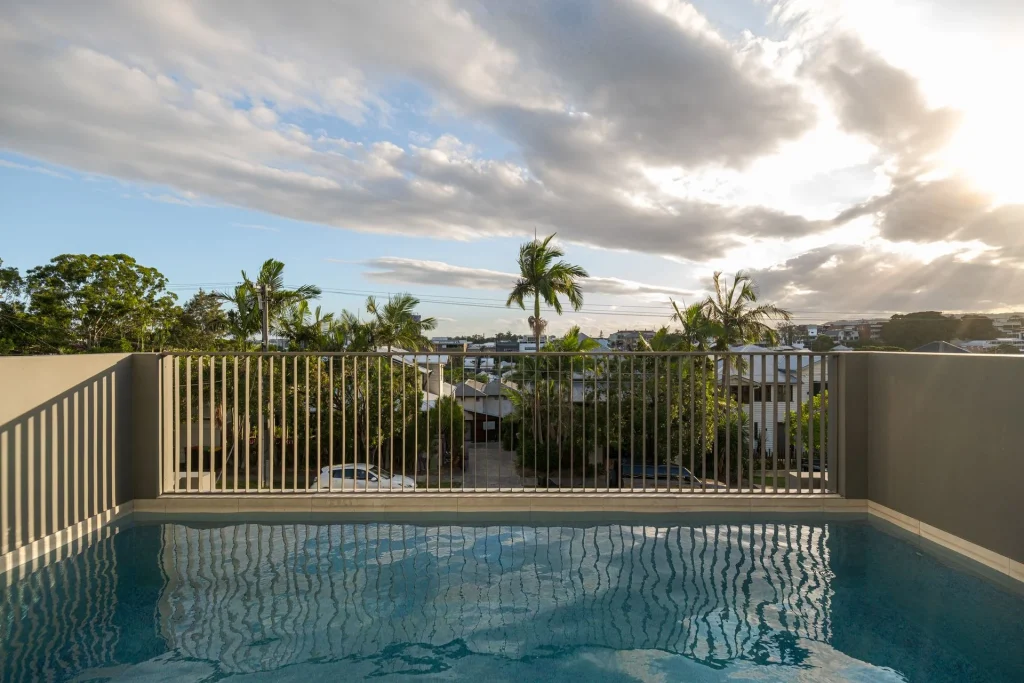
Seven years ago, the Brisbane couple were having a morning coffee near Plunkett Street in Paddington when they noticed the property at number 33 was on the market. Curious, and already in the neighbourhood, they ducked in for a look. What they found was not much of a house — a fire had razed whatever had stood there before — but what remained was striking: a pool perched high above the street, sitting atop a garage on an elevated 450-square-metre block with sweeping views in every direction.
It was an unusual proposition, but the Butinas were hooked. The timing of their chance encounter, combined with the property’s distinct bones, made the decision feel almost inevitable.
Rather than removing the pool or working around it, the couple made it the centrepiece of their vision. They engaged Brisbane-based architectural studio Myers Ellyett — known for delivering residential projects that respond closely to site and context — to help them design a home that would grow from the block outward. The result is a three-level, five-bedroom, four-bathroom home built into the hillside, with 180-degree views and a layout designed around connection, flow, and the kind of calm that is easy to appreciate but harder to engineer.
The Butinas were clear about what they wanted from the space: somewhere that felt open without being exposed, entertaining-friendly without sacrificing the feeling of a private retreat. Multiple living zones were created throughout the home to give the family — now including daughter Petra, five, and son Oliver, three — room to gather or spread out as the mood demands. Strong indoor–outdoor flow ties the levels together, with the original pool sitting at the heart of it all.
Over the years, the pool has evolved from an inherited quirk into something the family considers one of the home’s great pleasures. A heater was added to extend its use well beyond Brisbane’s warmer months, meaning it is a genuine year-round feature rather than a seasonal one. For the Butinas, it represents not just a place to cool off, but a focal point for the kind of everyday living that makes a house feel like a home — friends visiting on weekends, the children splashing about, the particular satisfaction of a summer afternoon with nowhere else to be.
Now, after seven years, the family is ready to let someone else enjoy it. The property at 33 Plunkett Street is listed for sale through Ray White Paddington agent Max Hadgelias via an expressions of interest campaign. The Butinas’ reason for moving on is perhaps the most fitting possible: they have loved the process of building this home so much that they are planning to do it all over again on another site.
For any buyer, the property comes with something that cannot be replicated from scratch — a story, a setting, and a pool with a view that once stopped two people dead in their tracks on a Sunday morning coffee run.
A piece of Brisbane rugby league history is set to change hands next month, with the former Paddington home of Broncos legend Darren Lockyer going under the hammer on Valentine’s Day.
The property at 23 Agars Street, which Lockyer and his wife Loren called home for nine years, will be auctioned on 14 February at 6pm. The couple purchased the land in 2012 for $1.125 million and built their family residence in 2015, shortly after the NRL great retired from professional football.
The award-winning home last sold in 2024 for $6.4 million to a local family, who have since undertaken extensive renovations including a new kitchen, updated electrical systems, a fresh coat of paint, roof restoration and a new driveway.
According to listing agent Simon Caulfield from Place Kangaroo Point, the current owners—a couple with one child—have decided to sell because they believe the spacious property would better suit a larger family.
“This is Darren Lockyer’s former family home, so there’s an immediate emotional connection for a lot of people,” Mr Caulfield said. “But beyond the name, buyers are responding to what the home delivers. A finished, award-winning house on a large, flat block in Paddington is something we just don’t see very often.”
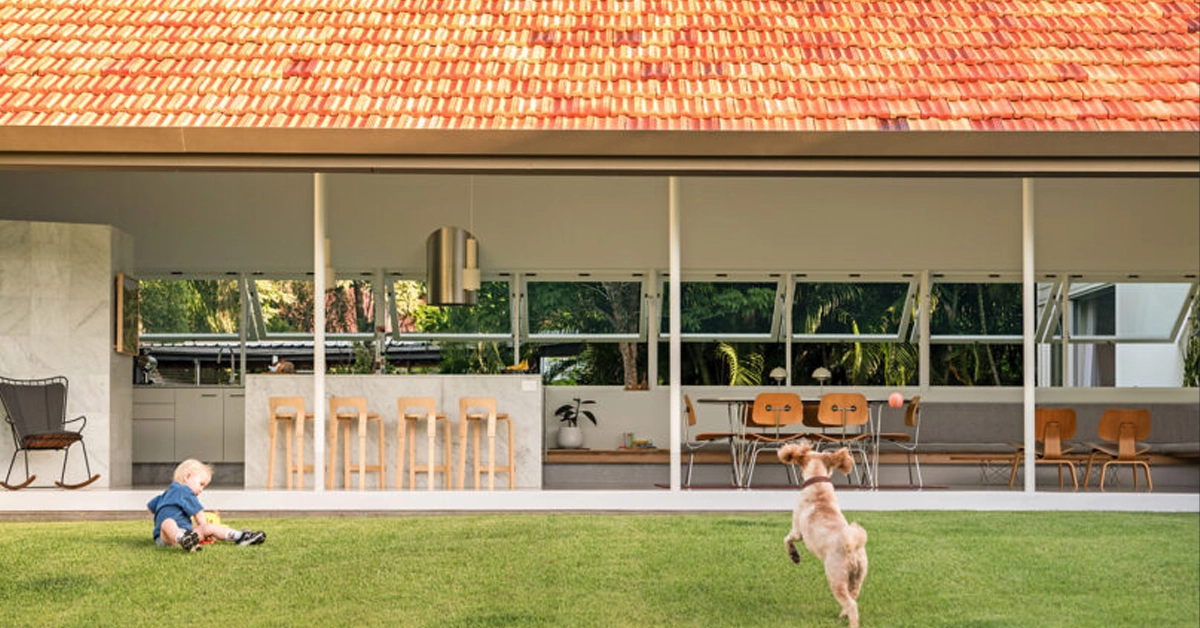
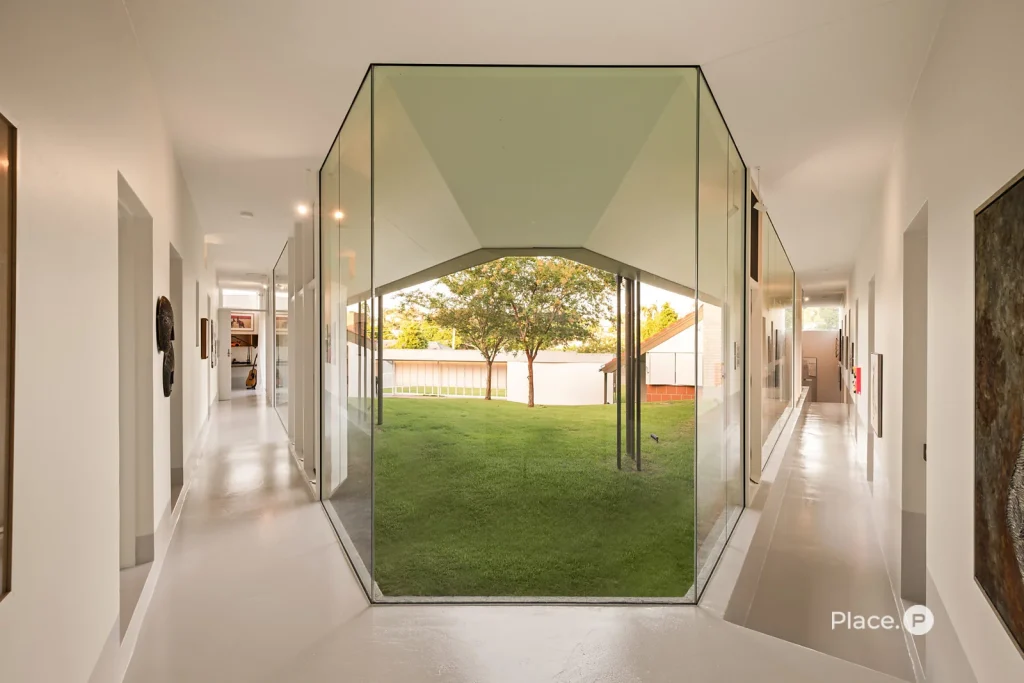
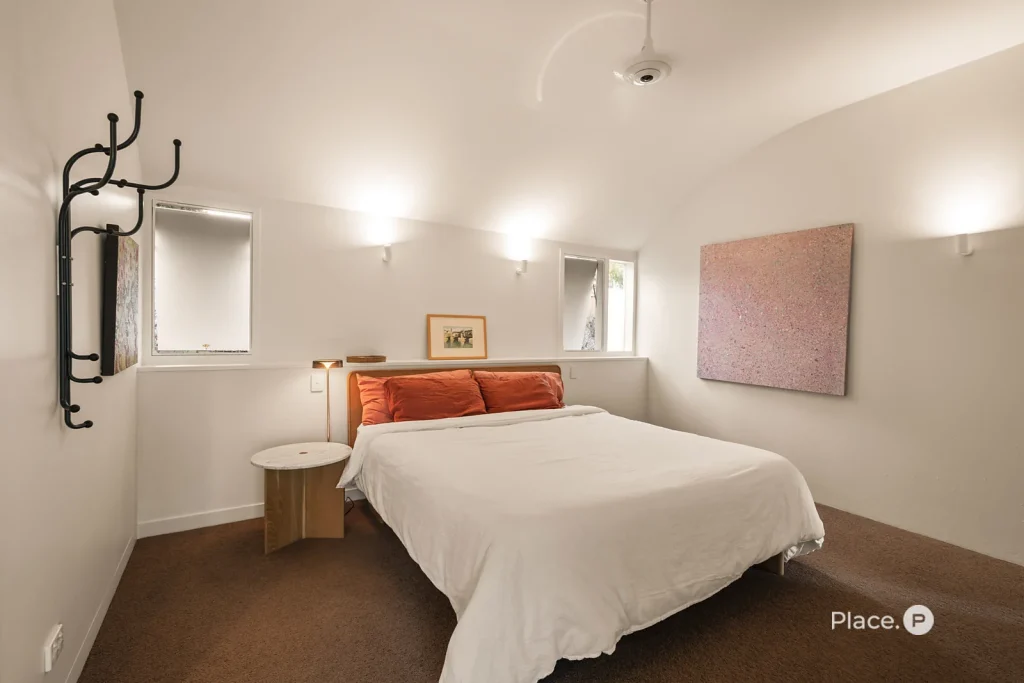
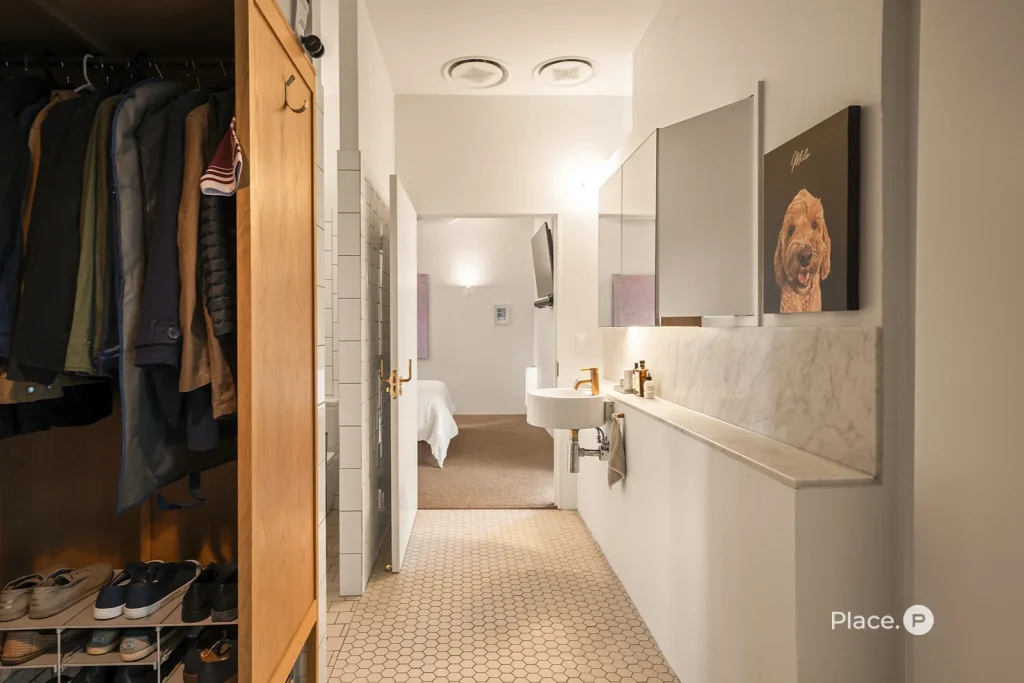
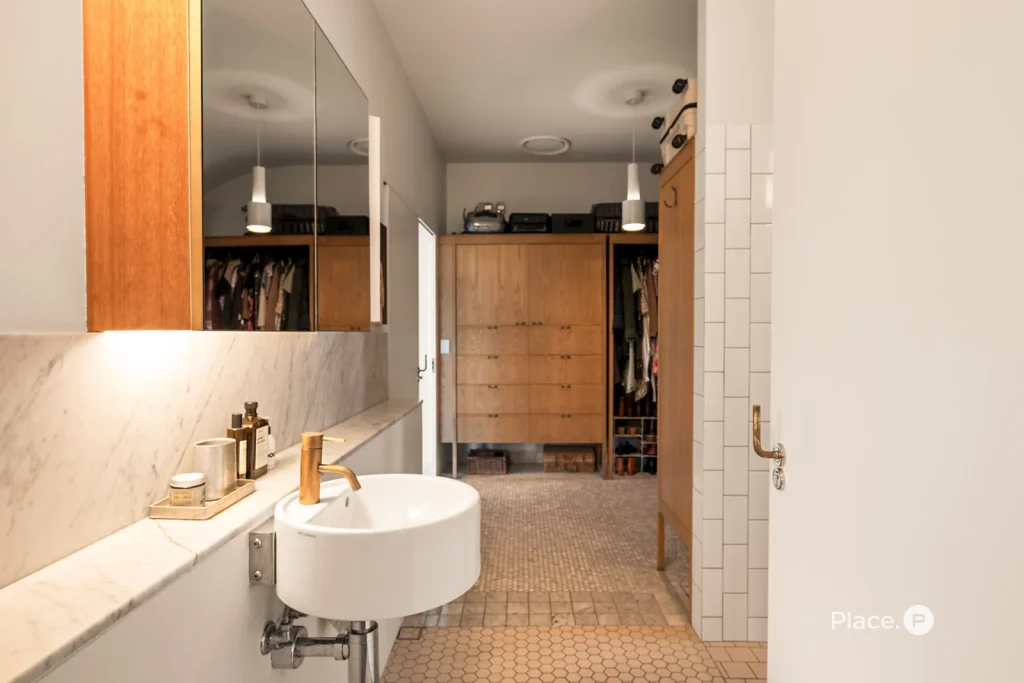
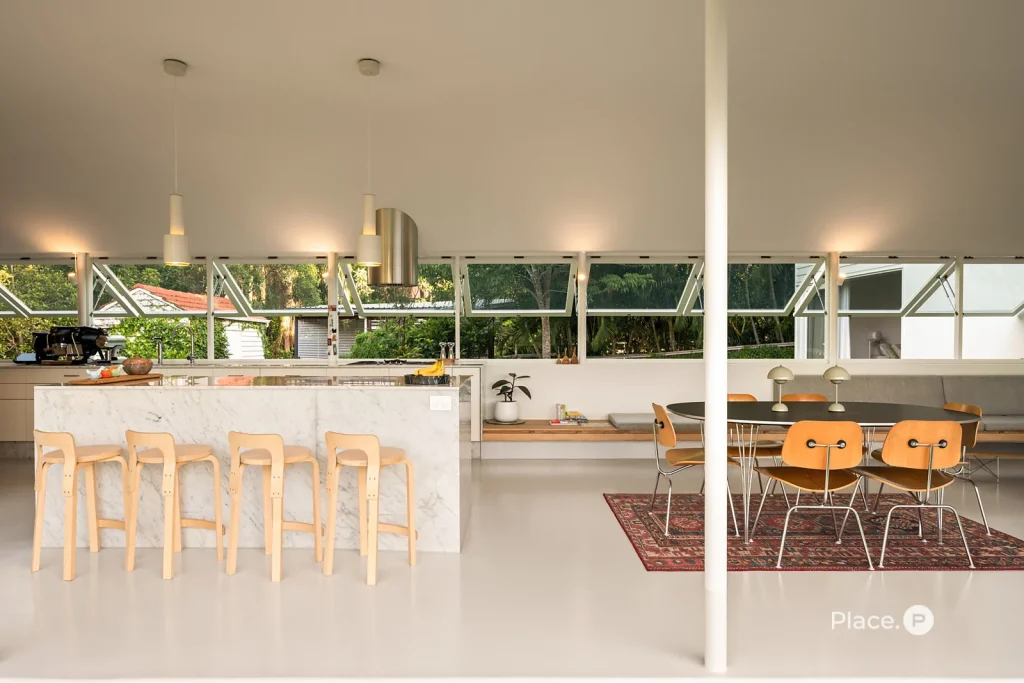
The single-level home sits on a rare 1,628-square-metre block—an unusually generous size for a property so close to the CBD. It features five bedrooms and two bathrooms, with architects Paul Owen and Michael Lineburg designing the residence as a series of interconnected spaces linked by long hallways and undercrofts.
The architectural design earned recognition at both state and regional levels, receiving the Robin Dods Award for Residential Architecture (Houses – New) in 2015. The Robin Dods Award is the Queensland chapter’s premier honour for new residential architecture, awarded by the Australian Institute of Architects.
The property includes a swimming pool, landscaped gardens, solar power with battery storage, and remote-controlled entry gates leading to a private carport. Two separate backyard spaces connect to the central living areas, creating what the architects designed with what Lockyer described in a 2018 interview as a “contemporary, Tuscan feel”.
At the time, Lockyer told media outlets the location was ideal for his family. “The location is great for our kids,” he said. “It’s also close to cafes, restaurants and parks.”
Co-listing agent Courtney Caulfield said interest has been strong from high-end buyers seeking a move-in-ready property that doesn’t require renovation work. “Everything is on one level, the outdoor spaces feel safe and connected, and it’s been such a comfortable place to raise [the current vendors’] child,” she said.
The property is within walking distance of Paddington’s cafes, restaurants and boutiques, near Gregory Park’s sporting facilities, and close to several prestigious schools including Brisbane Grammar School, Brisbane Girls Grammar School and St Joseph’s College.
Lockyer, who played his entire 17-year professional career with the Brisbane Broncos and now serves on the club’s board, has since moved on to a New Farm property with his family. According to property records cited by View.com.au, the Lockyers purchased a renovated six-bedroom Queenslander in New Farm for $5.05 million in late 2024.