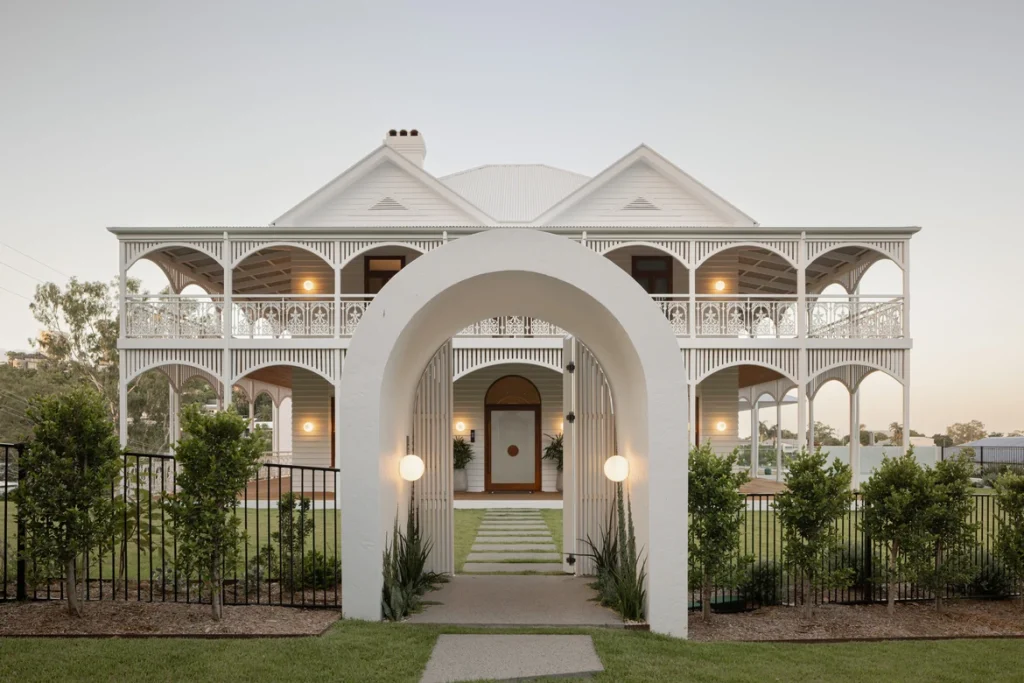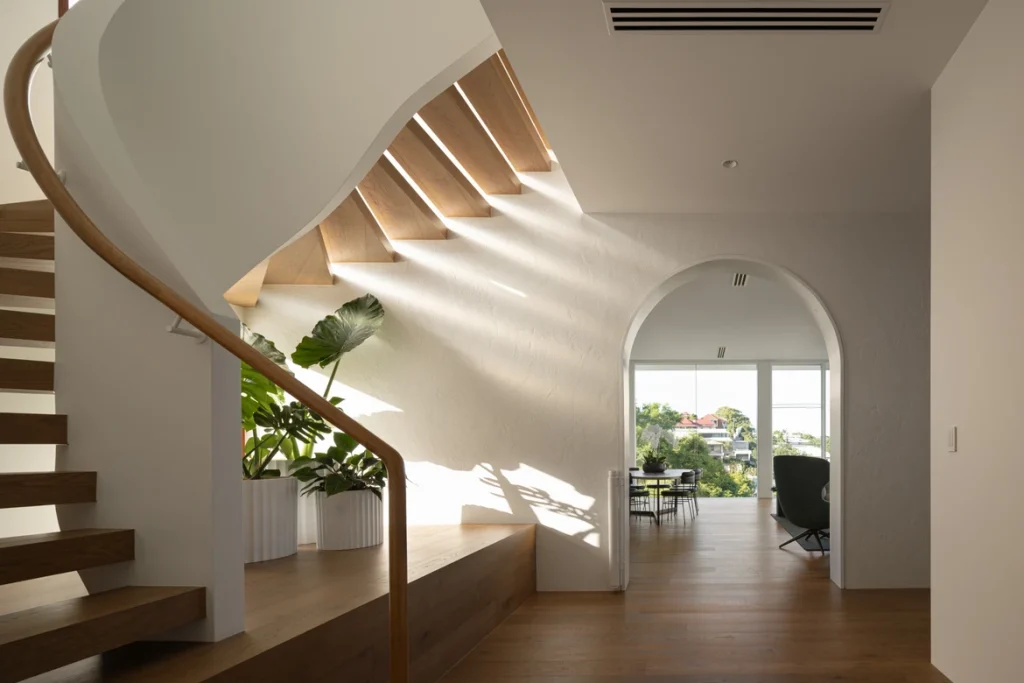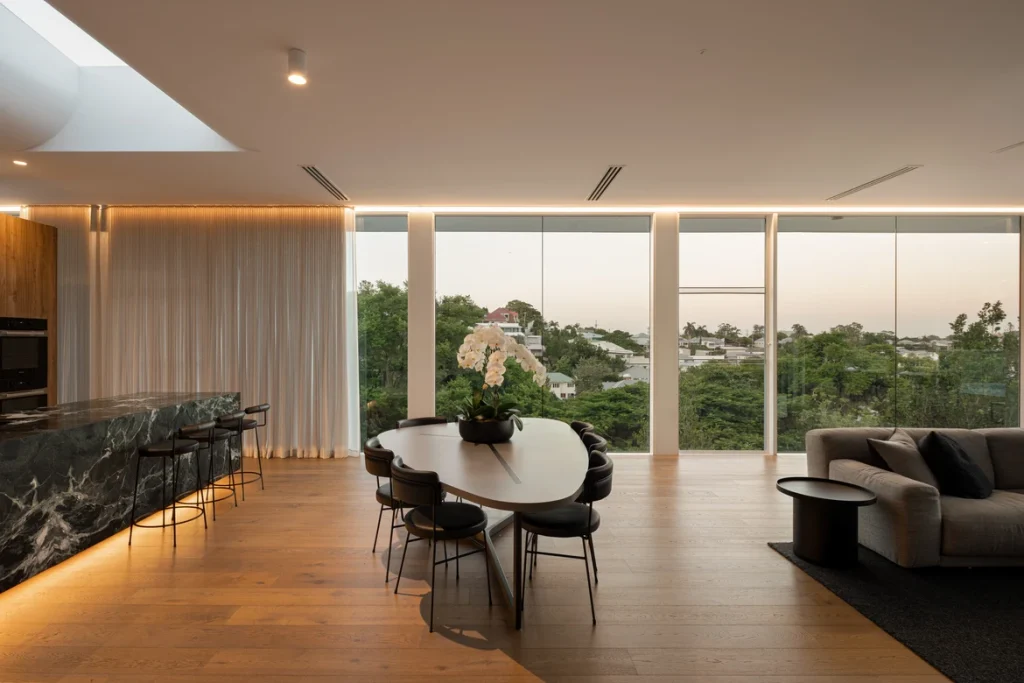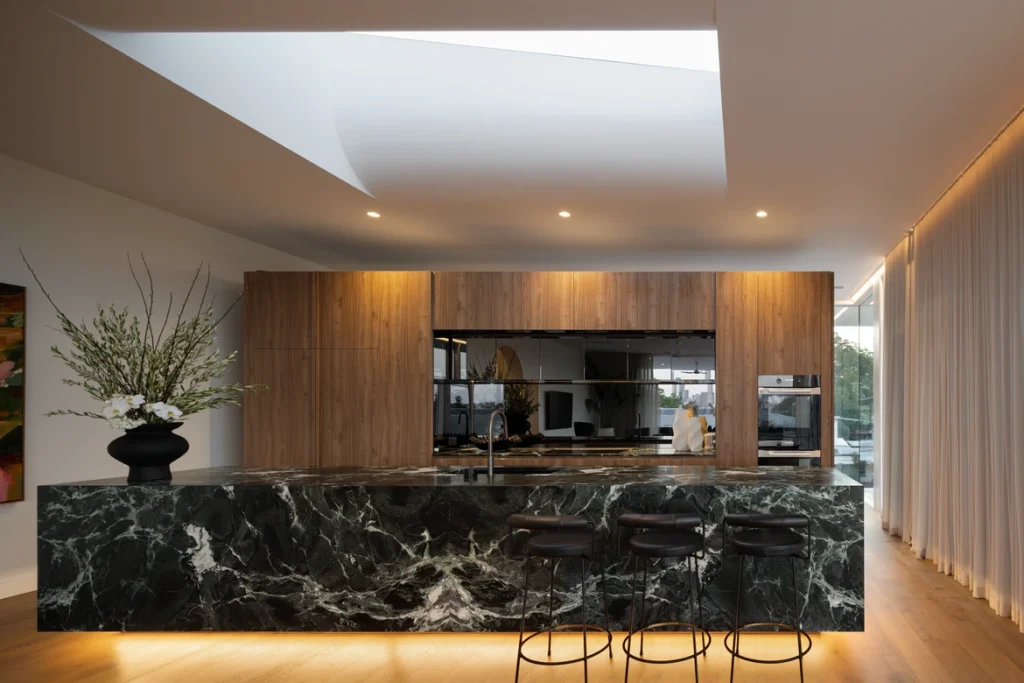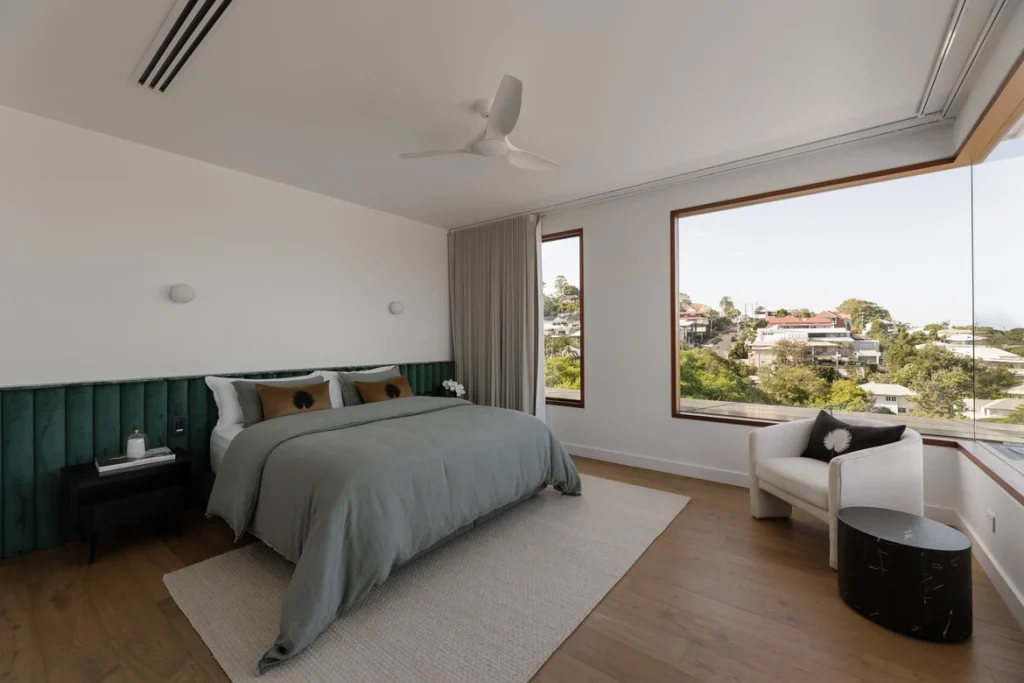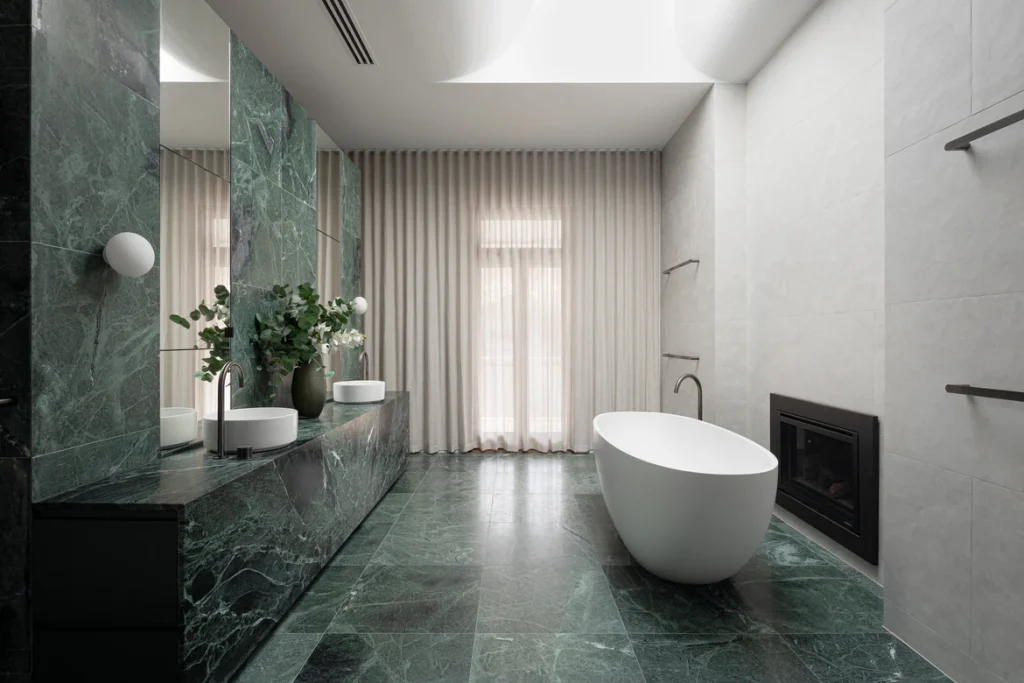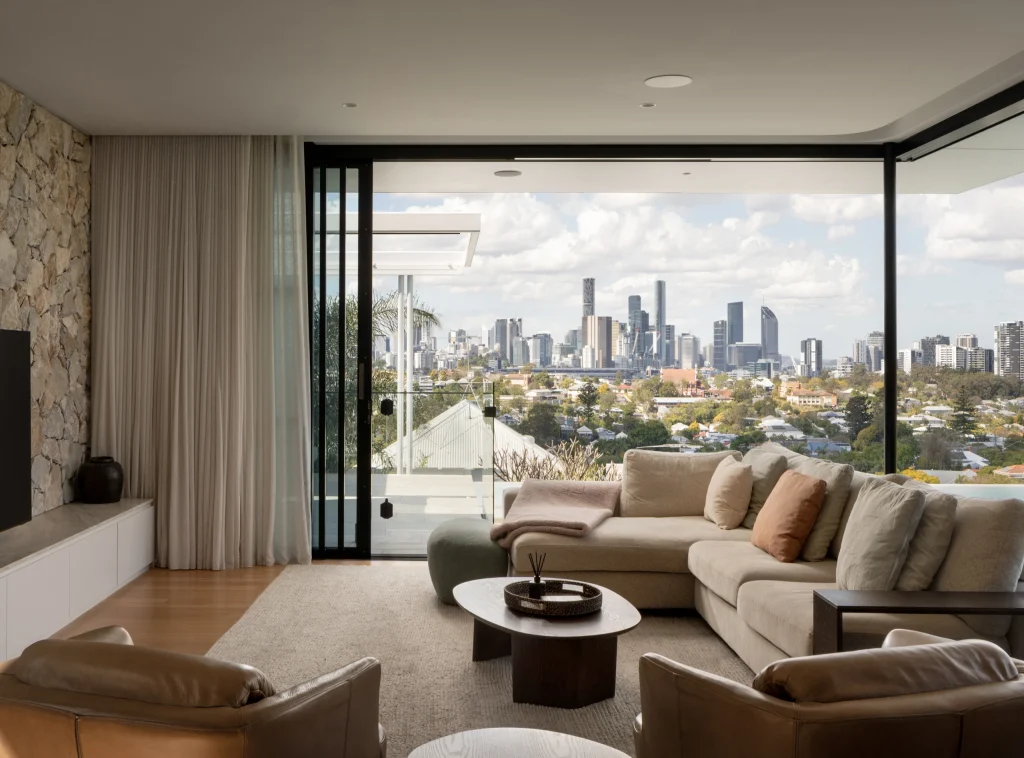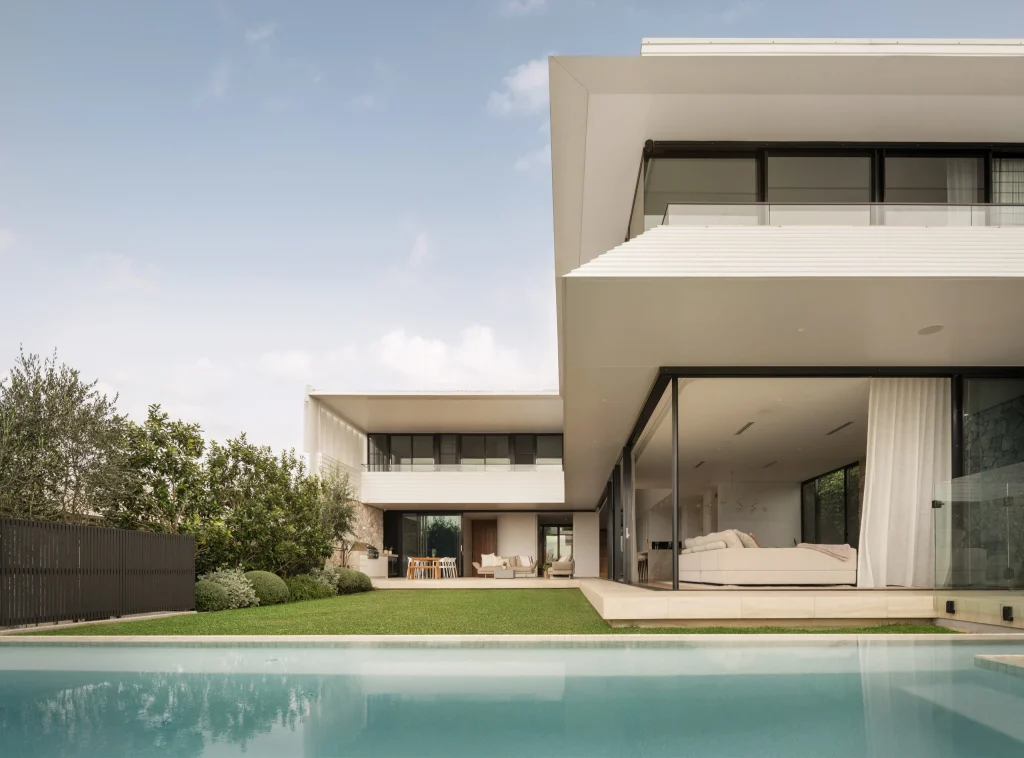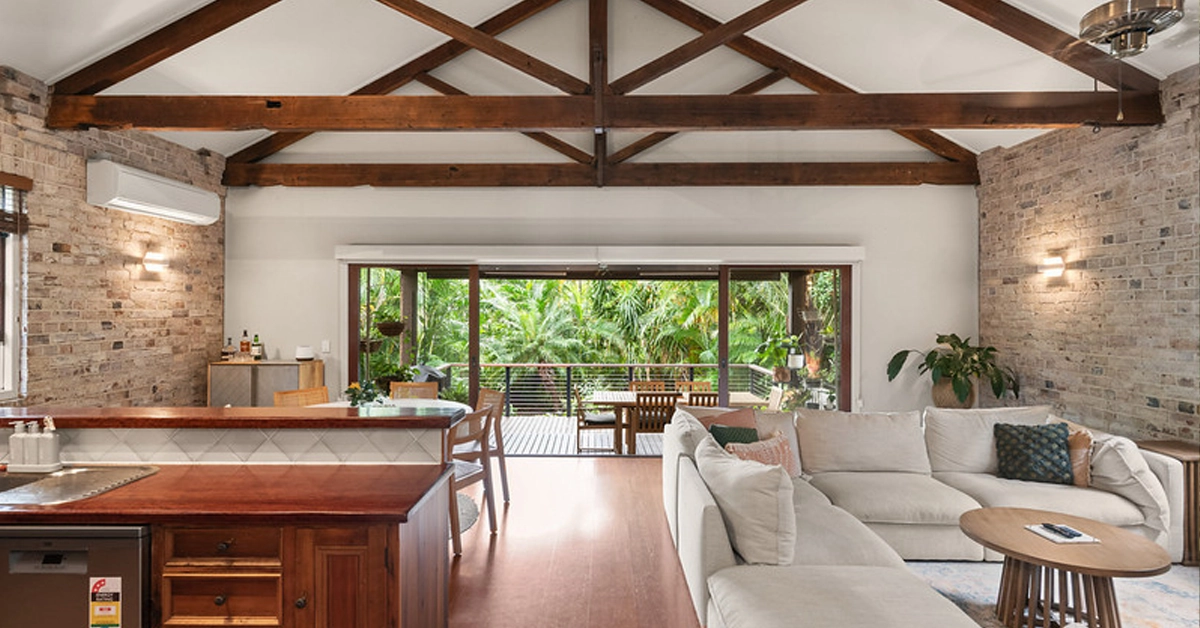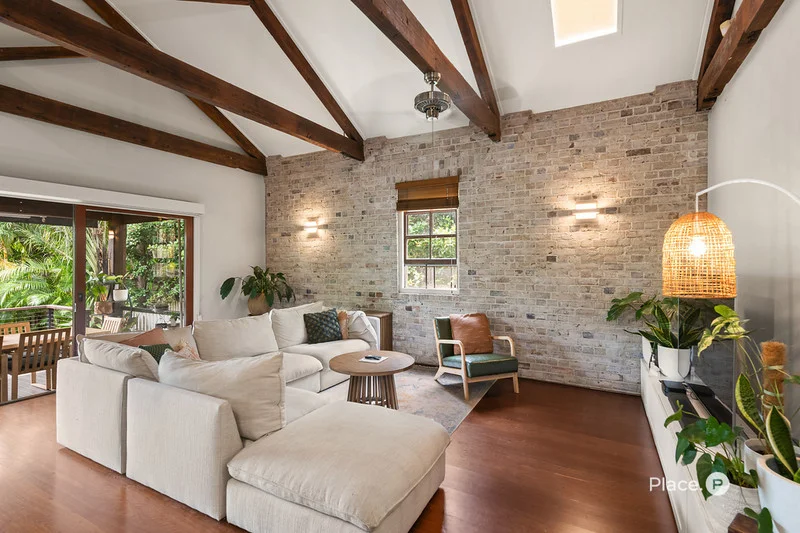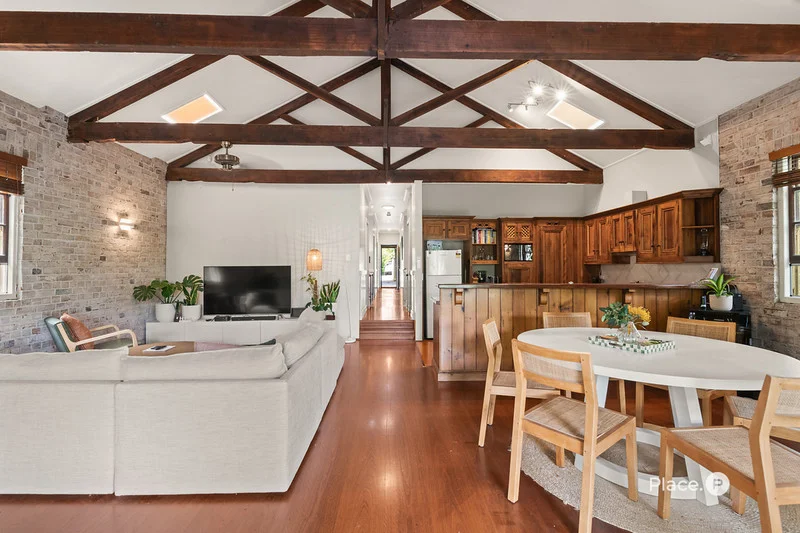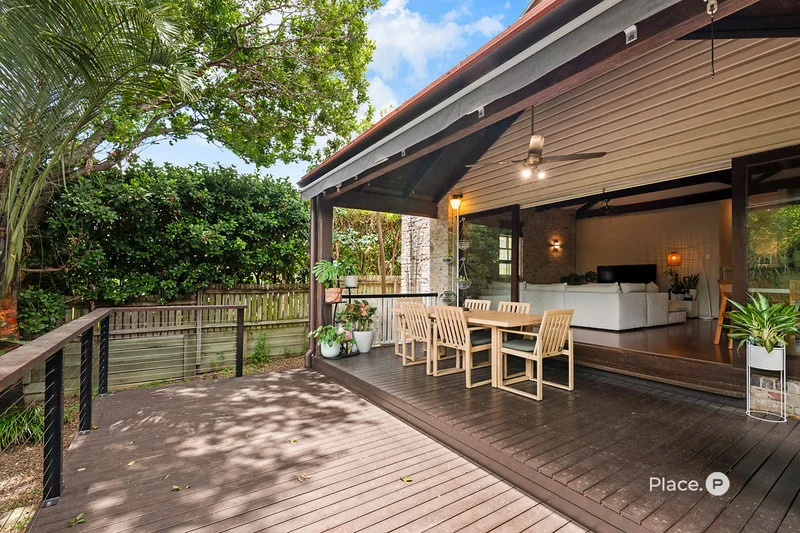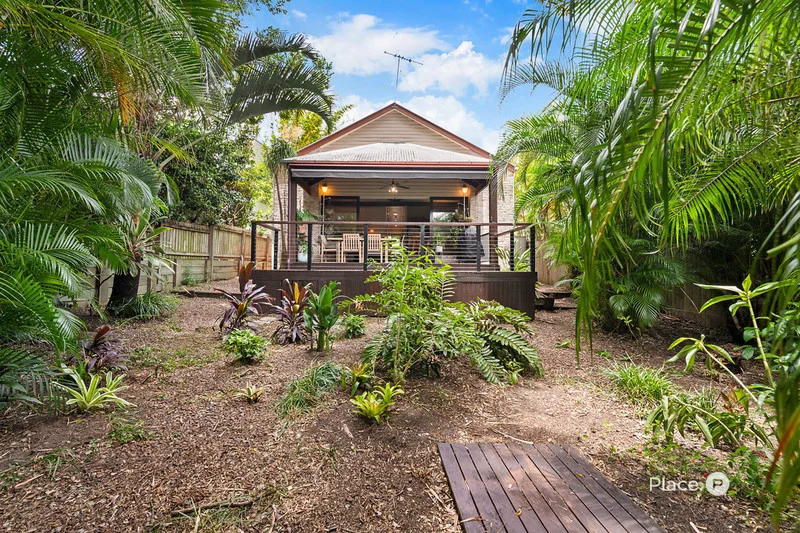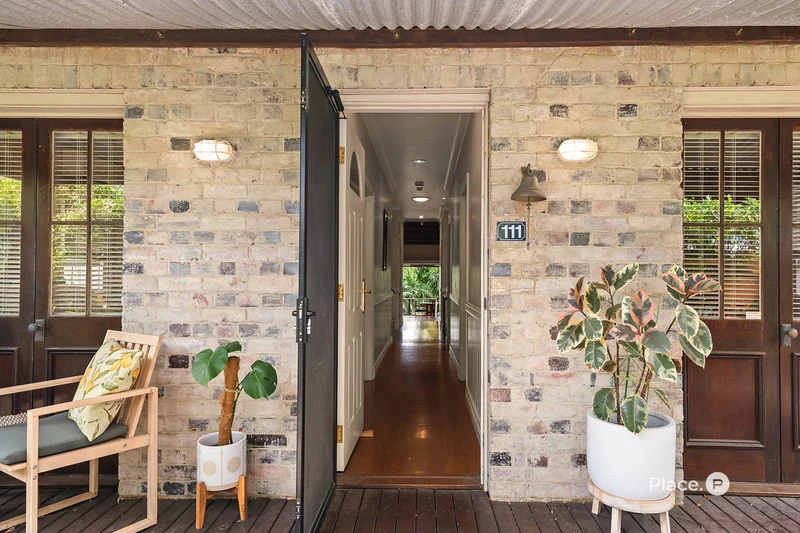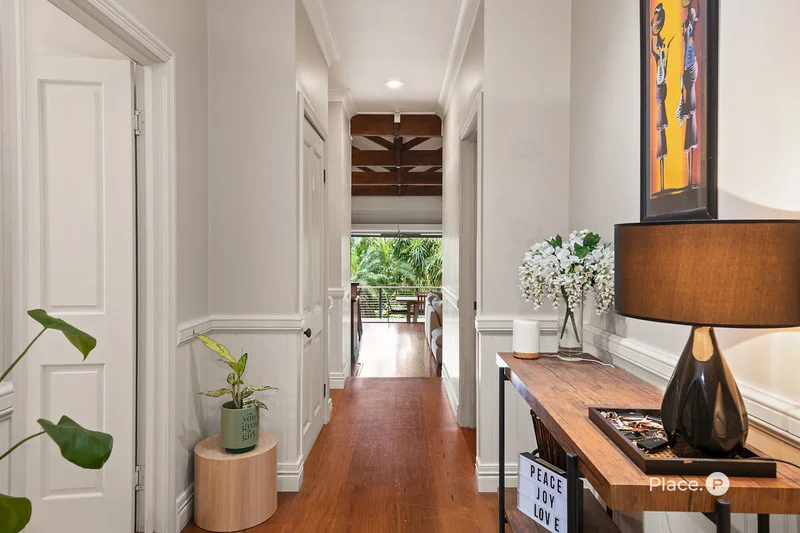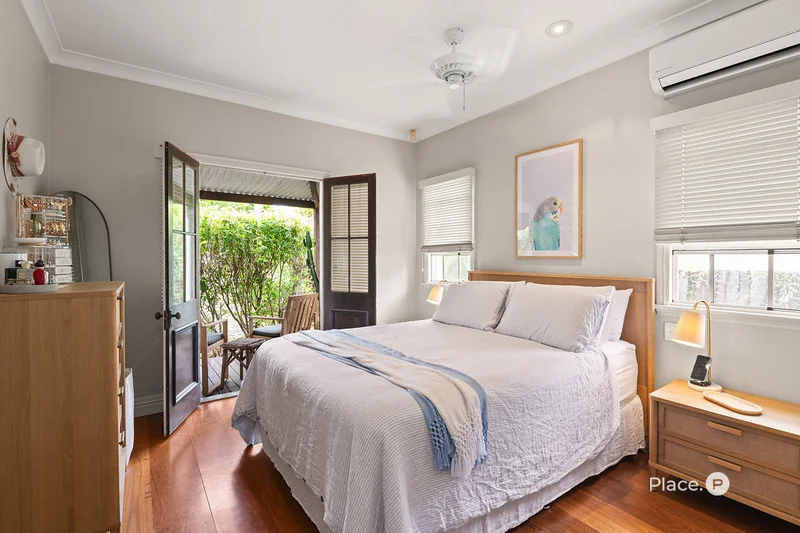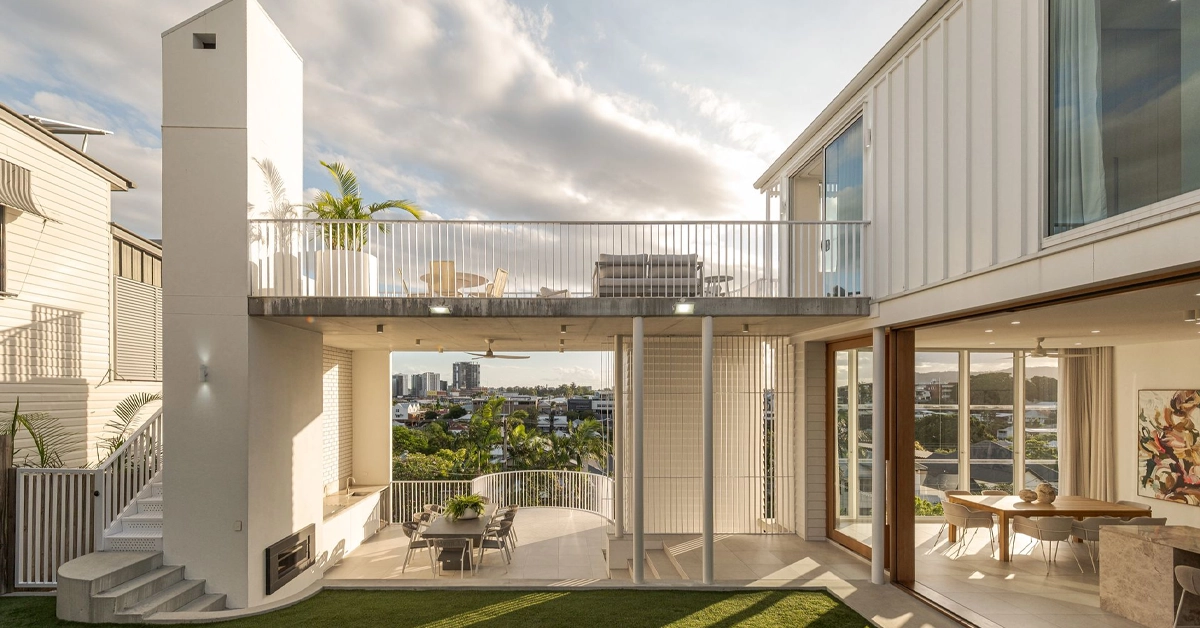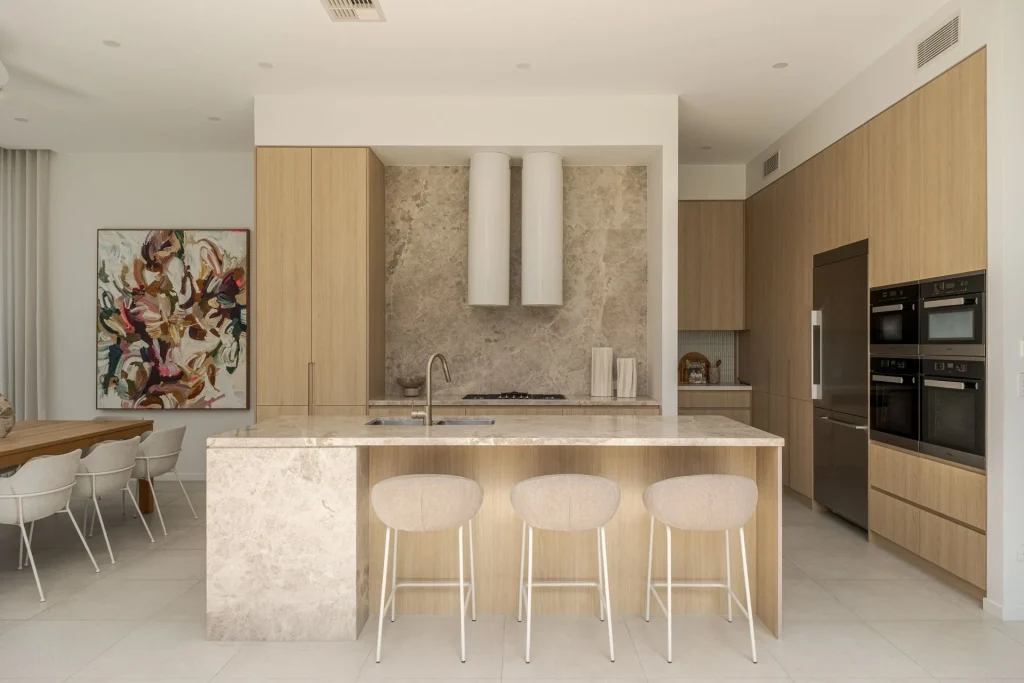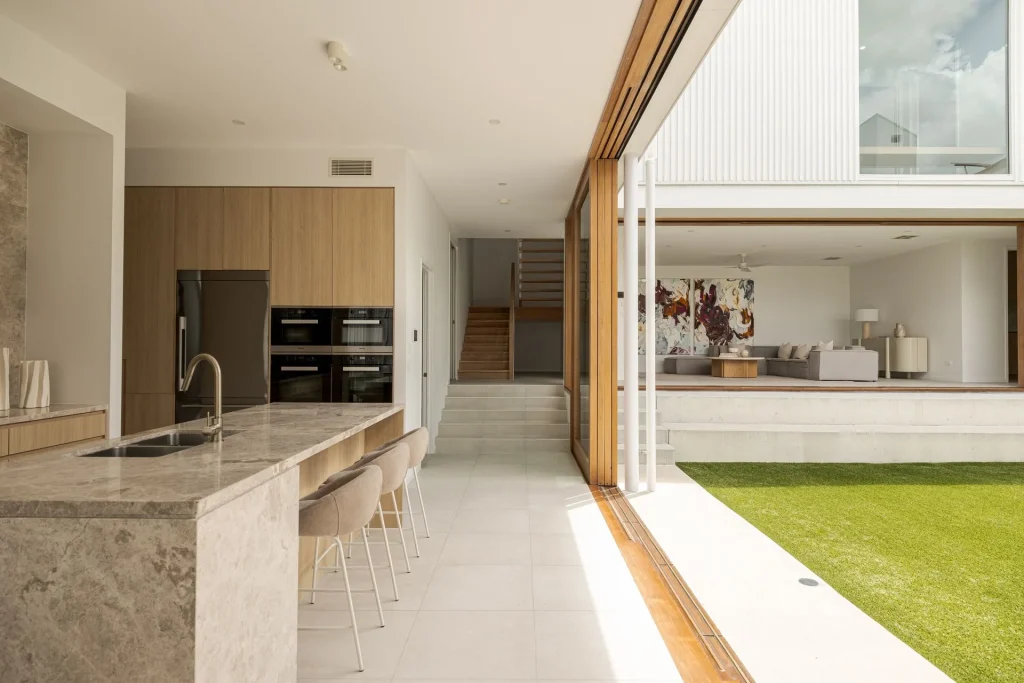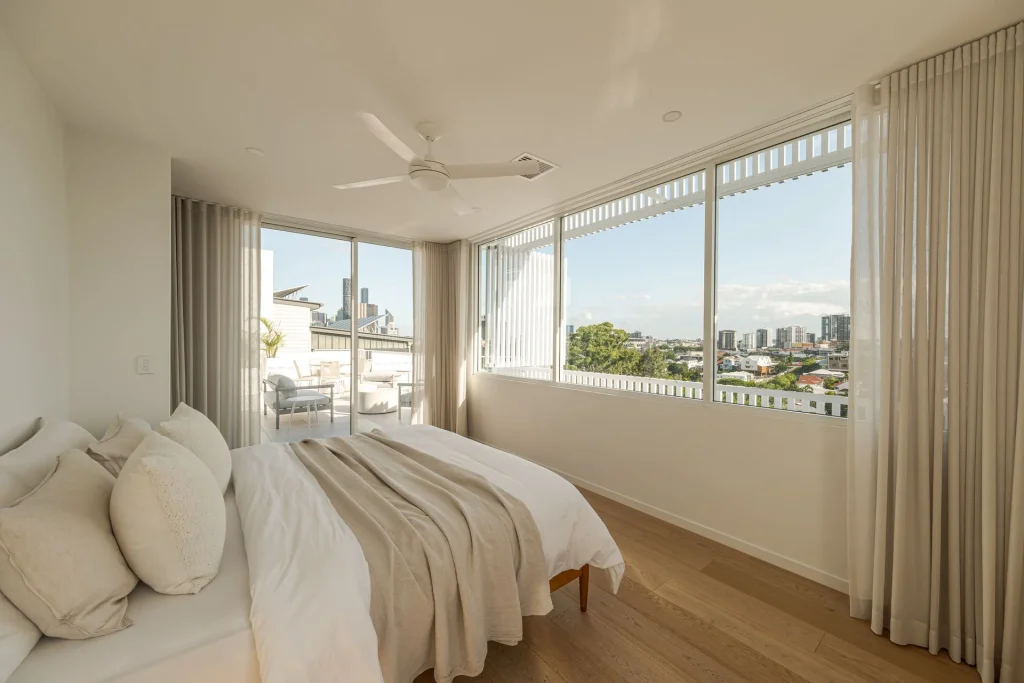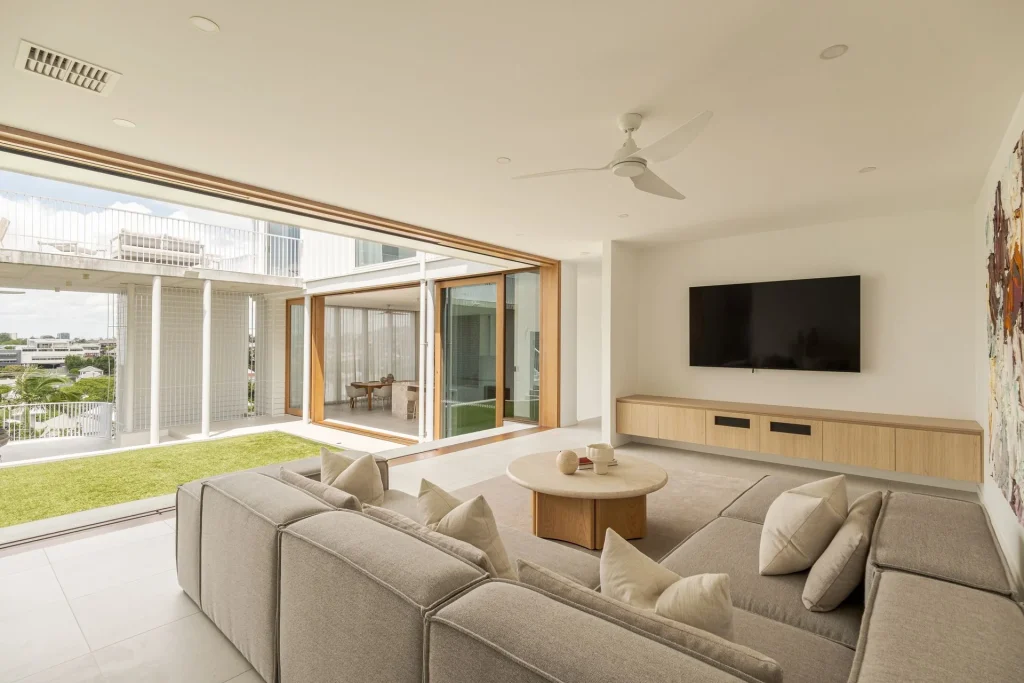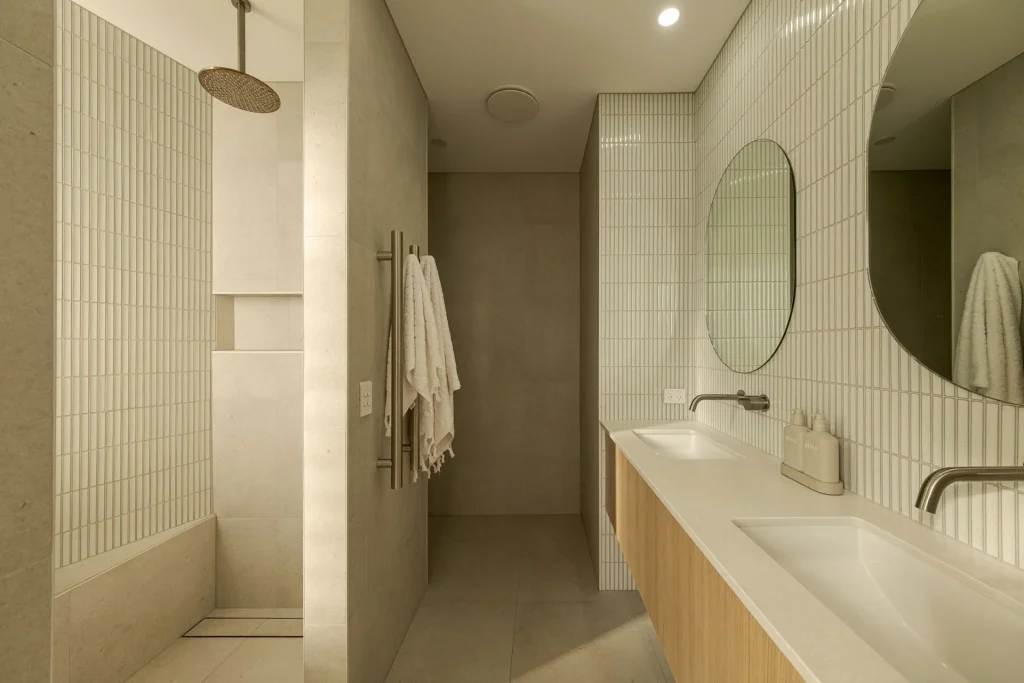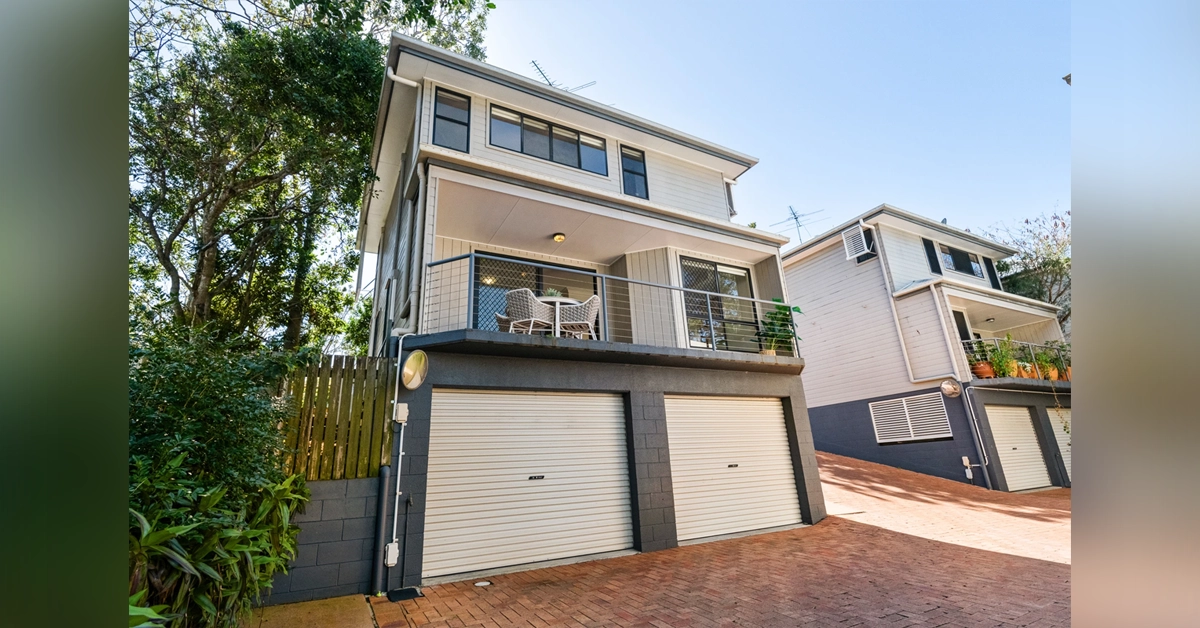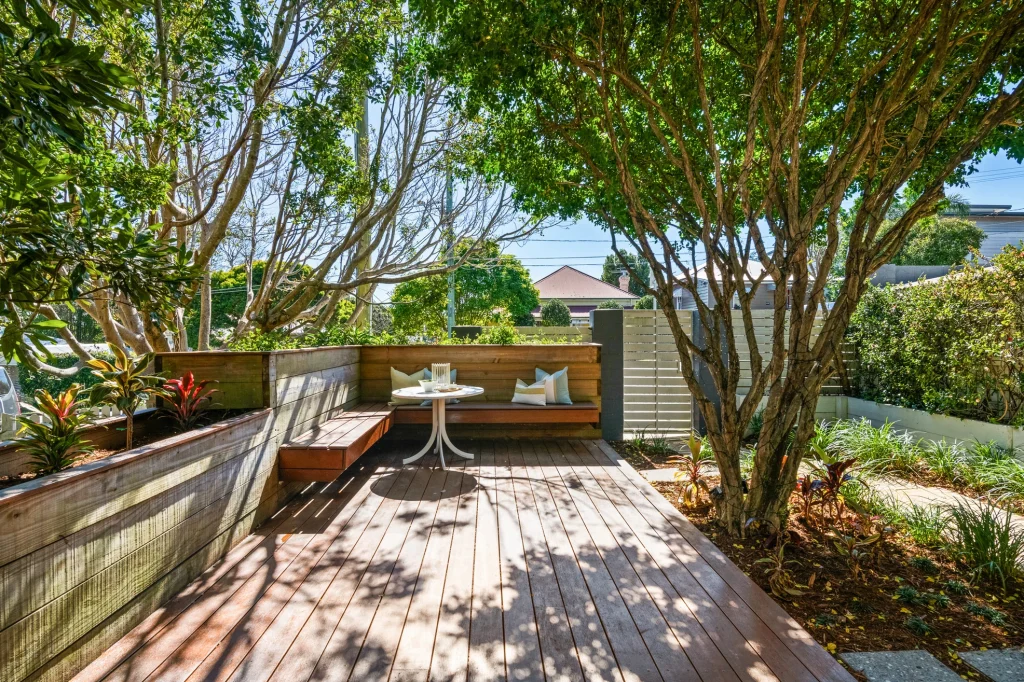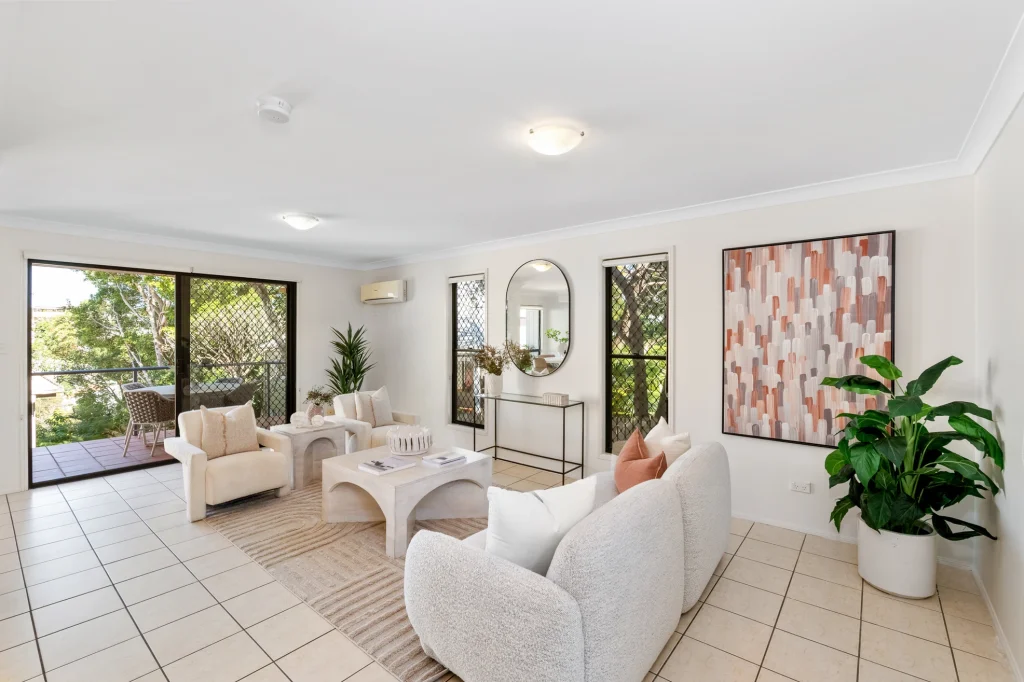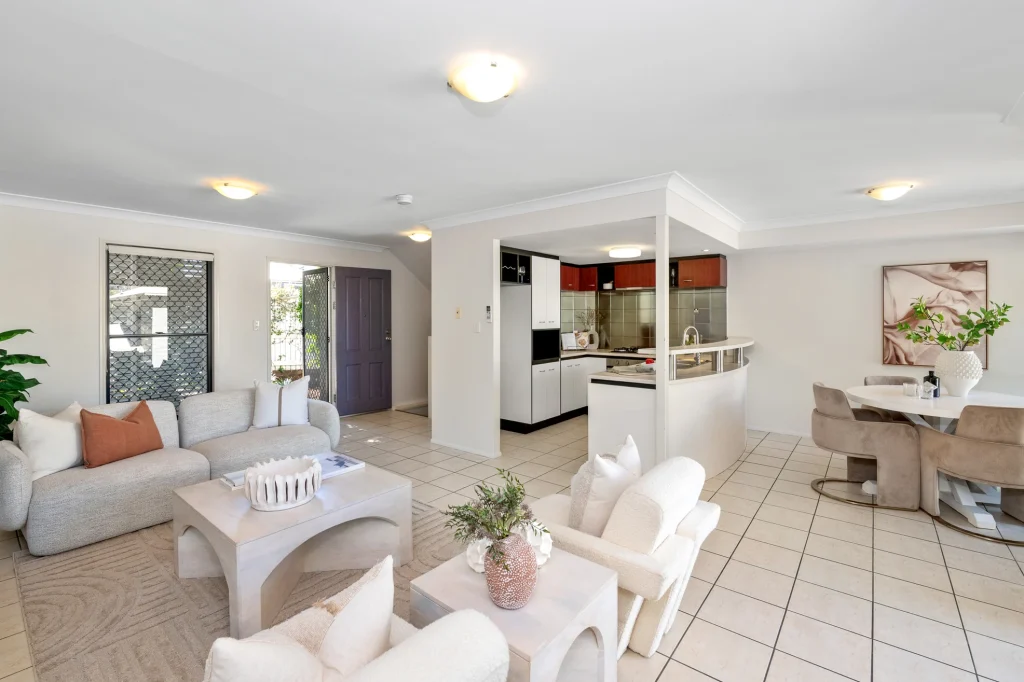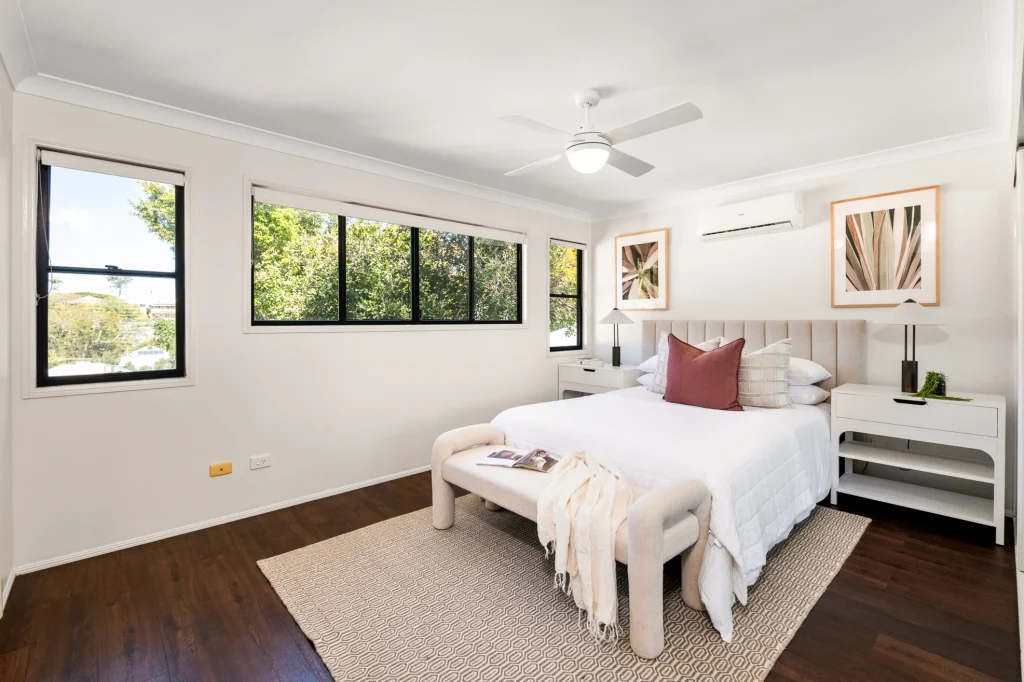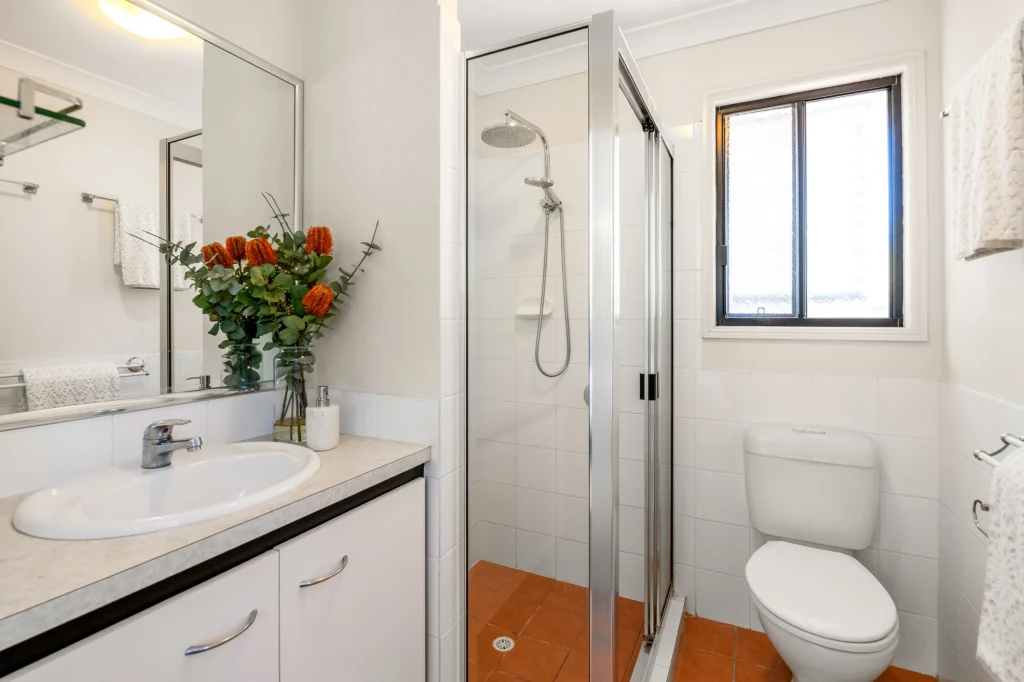



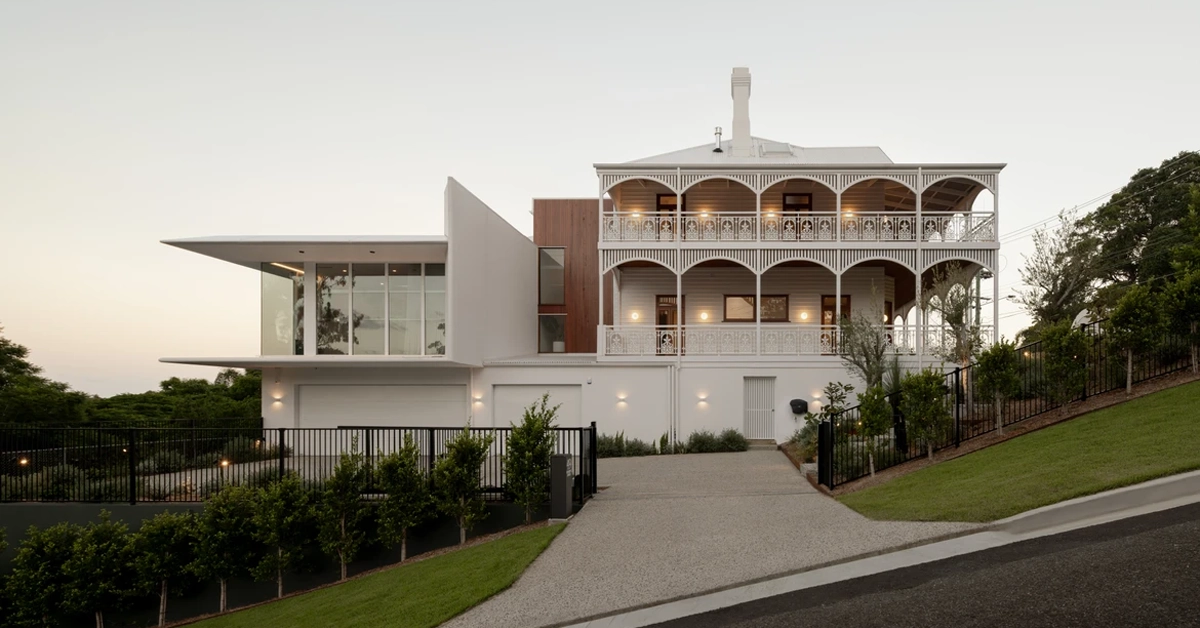
A former Brisbane Broncos player and his wife have revealed the first images of their inaugural Paddington venture through their newly established boutique property development company.
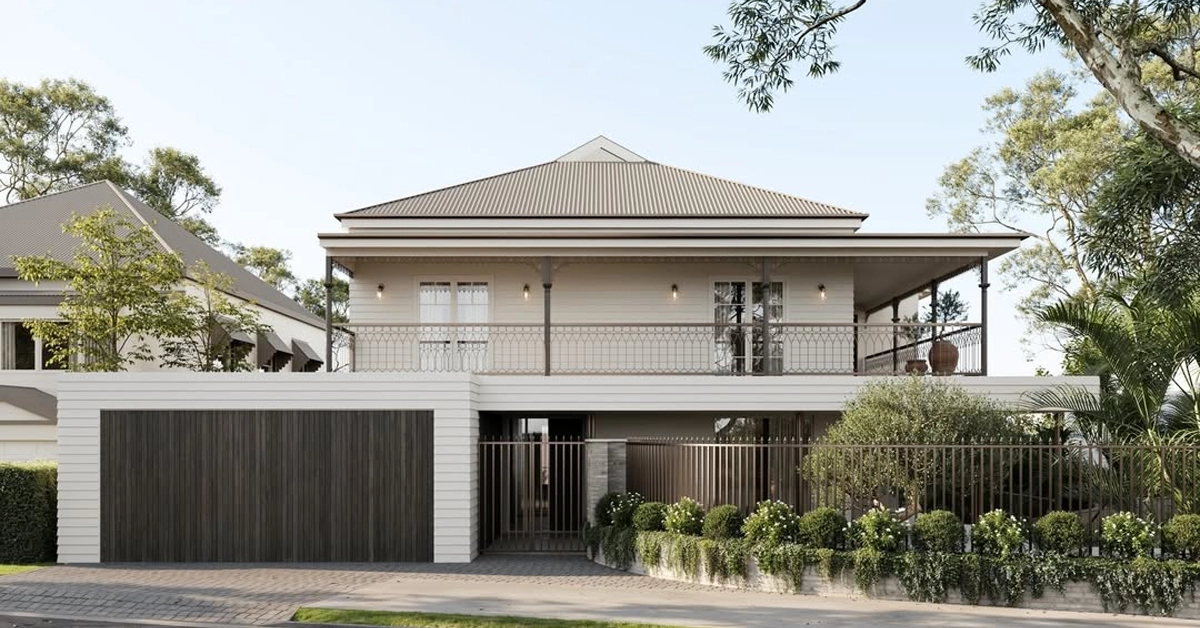
Kayla Boyd shared renderings of “Pavélle”, a Paddington heritage home transformation, via Instagram on New Year’s Eve. The project marks the first development under Deseño Group, the couple’s business venture with husband Darius Boyd, which describes its offering as “curated luxury from concept to completion”.
The Boyds have previously gained attention for their residential property renovations across Brisbane’s inner suburbs. Their most recent sale, a property called “Mala” in Grange, achieved $4.5 million in July 2024 and became the most viewed listing nationally on realestate.com.au, according to the source article.
The Paddington project involves relocating and raising the existing pre-war structure while constructing new lower levels. Plans indicate the development will incorporate a sauna, carport, and mud room, along with a swimming pool.
Working within heritage conservation requirements, the development aims to preserve the home’s street-facing character whilst modernising the interior spaces. The couple has previously completed two other pre-war renovations: House of Hendra and Vogue Haus, the latter also located in Paddington and subsequently used for photography purposes.
Kayla Boyd handles interior design responsibilities, collaborating with Rogue Architects, Arqo Building, and Westera Partners on the project. According to the source material, construction is scheduled to commence this month.
The development represents the formalisation of the Boyds’ property activities under the Deseño Group brand, transitioning from individual renovation projects to an established development firm operating in Brisbane’s prestige property market.
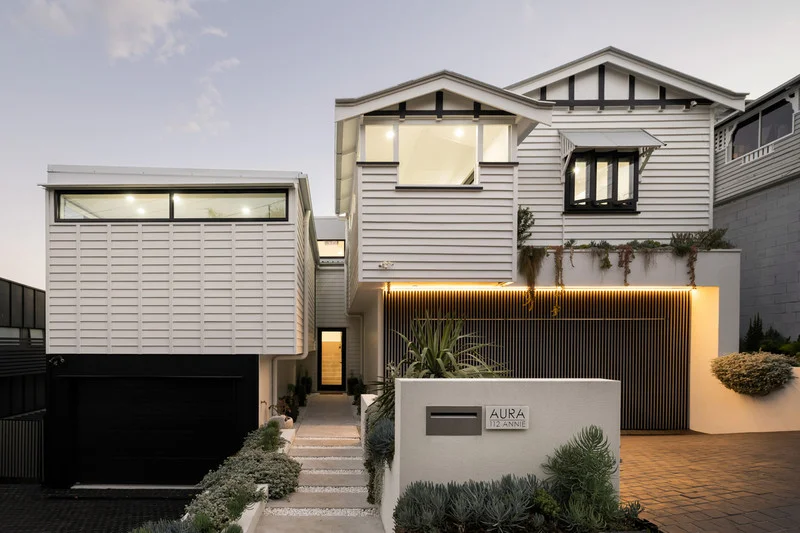
The worst house on one of the most coveted streets in Auchenflower has been transformed into a luxury residence after a mammoth renovation that tested the limits of a local family’s determination and budget.
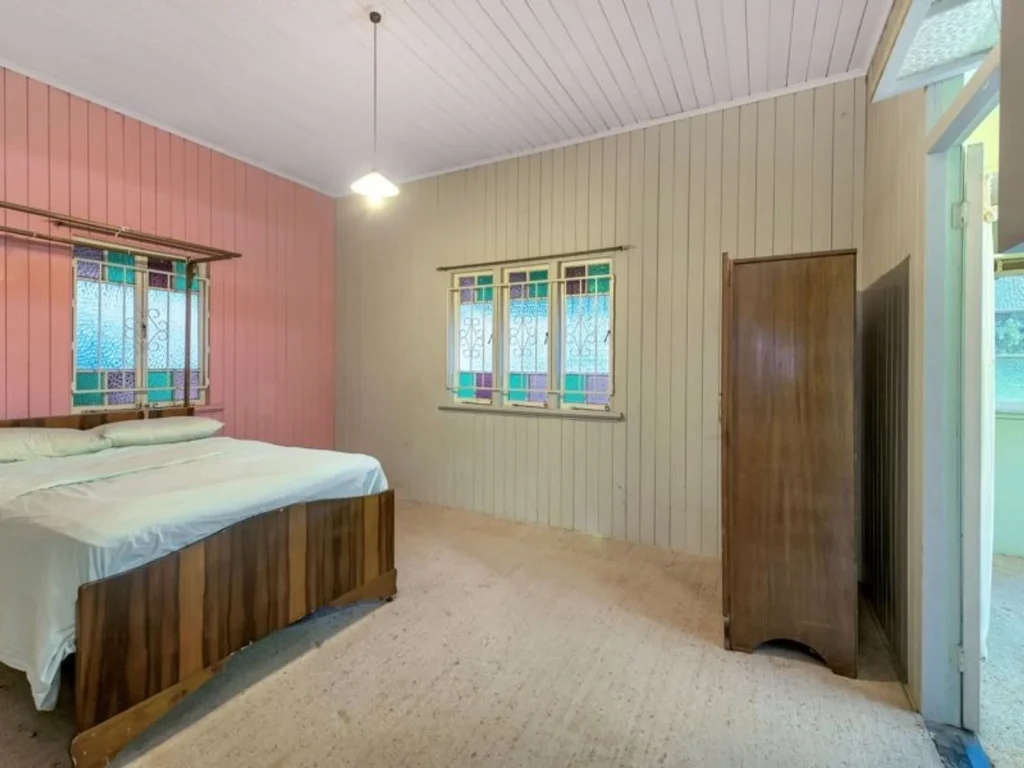
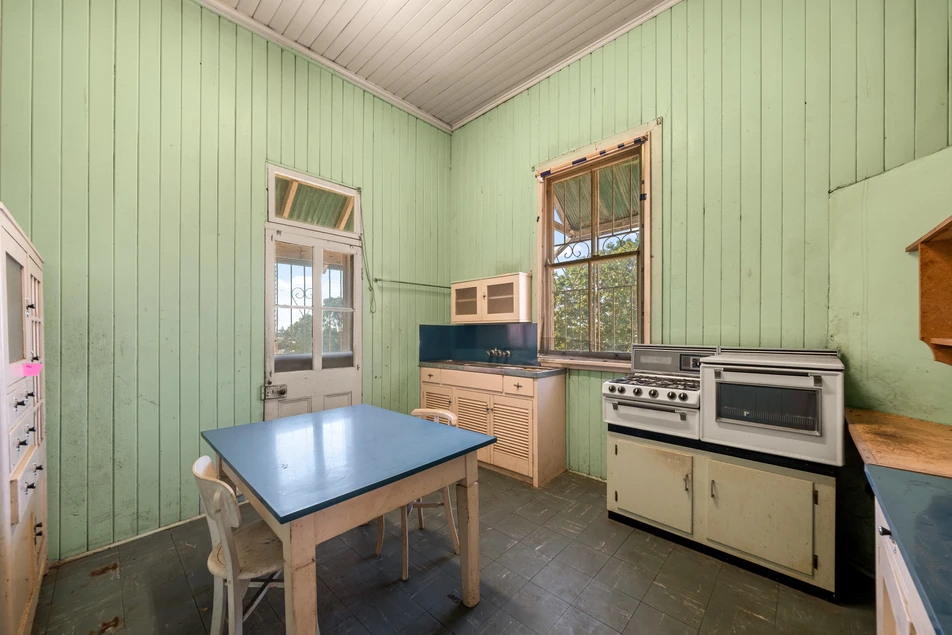
Anita and Paul Brown purchased the dilapidated property at 112 Annie Street for $1.45 million in 2021, drawn by its prime location despite its shocking condition. The house literally shook when walked through, featured dated pink and green decor, and harboured a backyard overrun with native monsteras sheltering countless huntsman spiders.
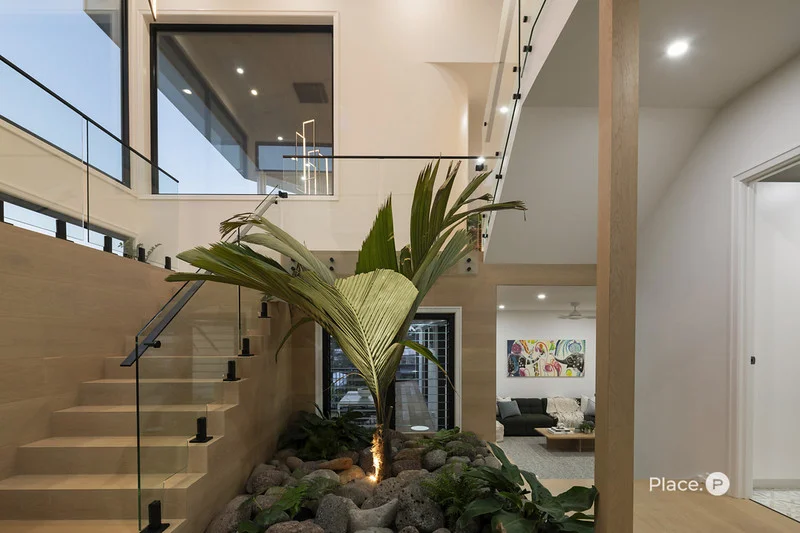
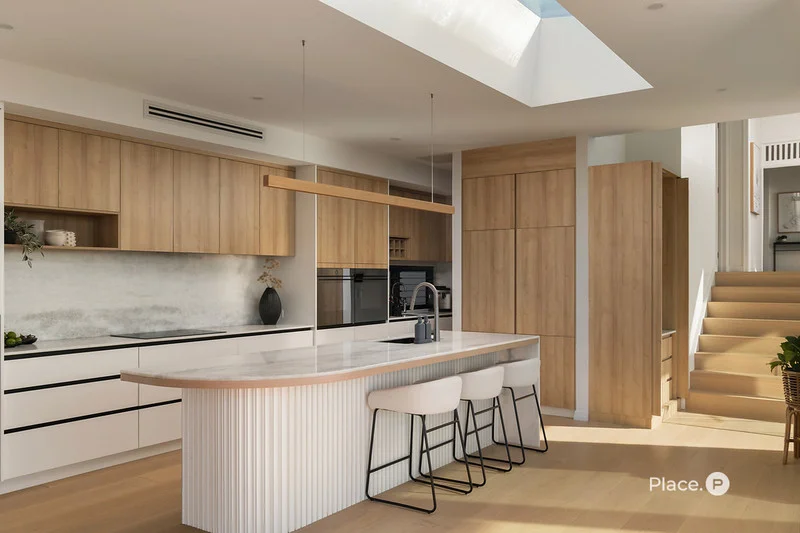
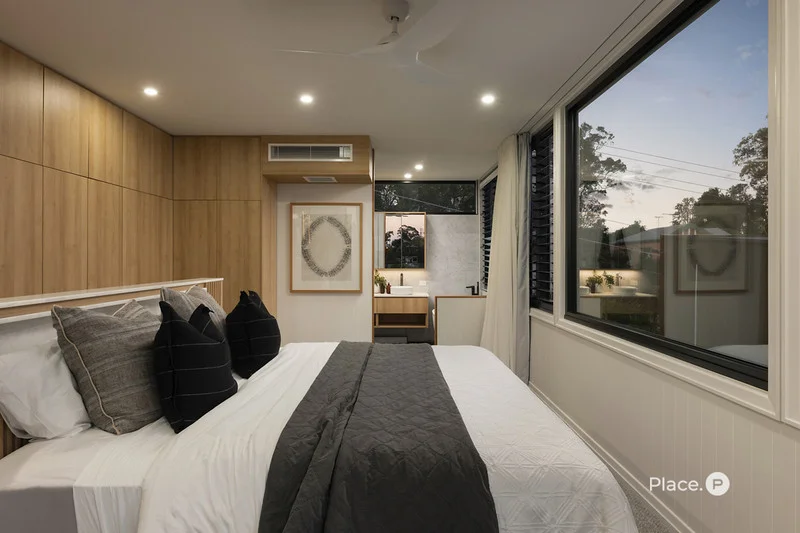
Three years and approximately $5 million later, the home now called Aura has been reborn as a three-level residence featuring six bedrooms, four bathrooms, a pool, wine cellar, and a self-contained granny flat. The renovation was completed over 18 months, with the original house raised and relocated on the block.
“It was honestly so dodgy. Back then my husband was a big guy, weighing about 140 kilograms and the whole place shook when he walked through it,” Mrs Brown said.
The couple, who have two young children, saw potential where others saw problems. The property was one of the last unrenovated homes on the street, and its position just three houses from the top made it particularly attractive.
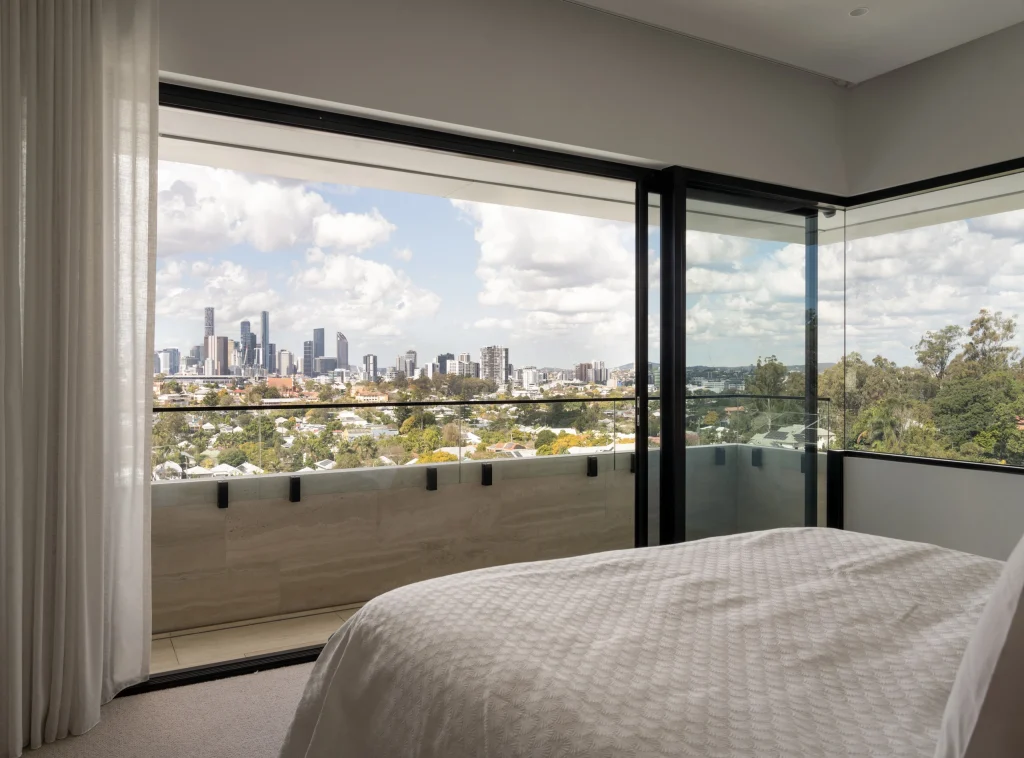
To better understand the property before beginning work, the Browns moved into the rundown house for 12 months, studying how the sun moved across the site and where breezes came through. This informed their decision to install an entire wall of double-glazed glass along the eastern side to maximise the Brisbane city views.
The sloping block presented the biggest technical and financial challenge, with substantial money invested in retaining walls that remain hidden but essential to the home’s structural integrity.
Mr Brown took on the monumental task of clearing the monstera jungle by hand to make way for construction, an effort his wife describes as “the most epic thing ever”. The physical demands of the project saw Mr Brown’s weight drop from 140 kilograms to around 90 kilograms.
The renovation budget blew out significantly due to pandemic-related delays, soaring construction costs, and extensive custom ordering including bespoke windows. Turkish marble was hand-selected by Mr Brown on an overseas trip, adding to the home’s luxury finishes which include rainfall showers and multiple living areas.
To fund the project, the Browns liquidated three other investment properties. Mrs Brown, who bought her first house at 19 in Lismore for $100,000 while still studying, has built a substantial property portfolio over the years through strategic purchases and renovations.
The home is now listed for best offer by 1 November through Place Nundah’s Thomas Coussens and Place Ascot’s Drew Davies. While the agents haven’t disclosed a specific price expectation, the total investment of approximately $6.45 million provides an indication of the property’s value.
Mr Davies said the renovation quality surpasses anything he’s seen in the market, with strong interest from both interstate and local buyers following a pre-sale social media campaign.
Mrs Brown’s property advice, which she plans to pass on to her daughters Olivia, 11, and Penelope, 6, is straightforward: “Buy the biggest block of land you can afford as close the city as possible. It’s all about land banking now.”
Despite the enormous effort invested in creating what she calls “the ultimate family home”, Mrs Brown acknowledges it will be difficult to hand over the keys when the property sells.
A stunning Paddington residence has hit the market following a complex 14-month renovation that tested the limits of modern construction techniques on one of Brisbane’s most challenging blocks.
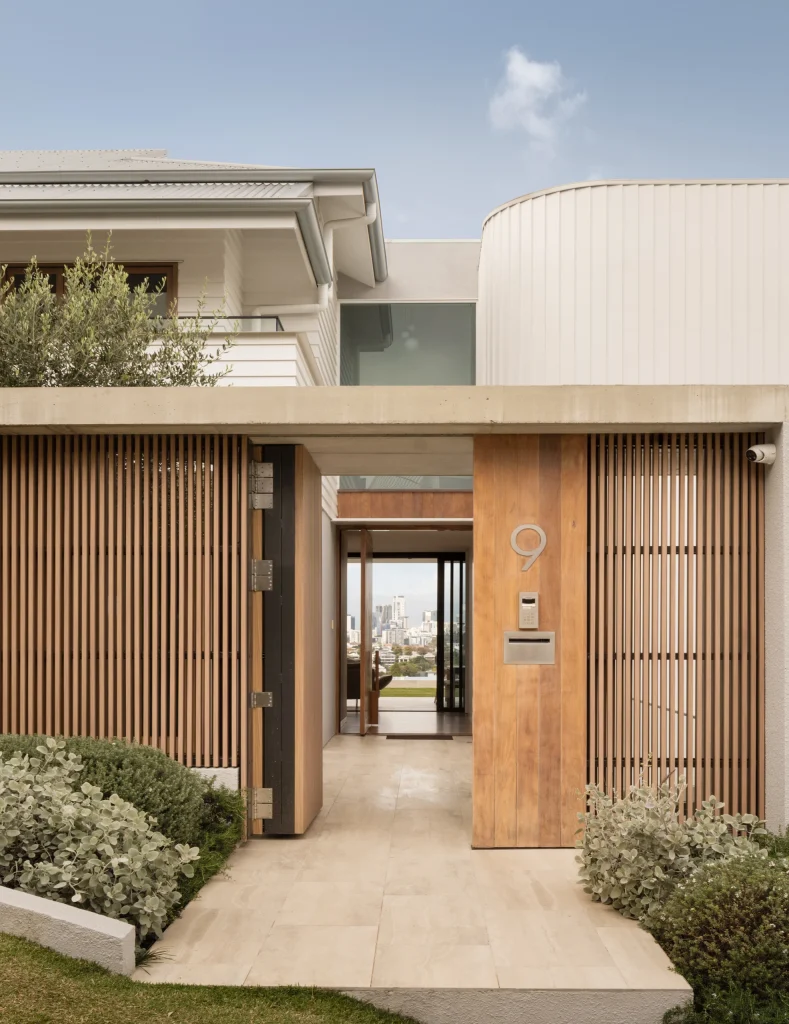
The five-bedroom home at 9 Reading Street sits atop a ridge where the street climbs at a precipitous 1-in-3.5 gradient – making it Brisbane’s third steepest street behind Gower Street in Toowong and Stoneleigh Street in Red Hill.
Rob Gray, managing director of design and construction firm Graya, said the project proved more demanding than anticipated despite his company’s decade of experience building on sloping Paddington sites.
The existing house required a double-lift system, with the entire structure suspended whilst concrete was poured around the supporting stumps below. Delivery trucks regularly struggled to stop on the sharp incline, whilst some tradespeople’s vehicles slipped on the steep slope.
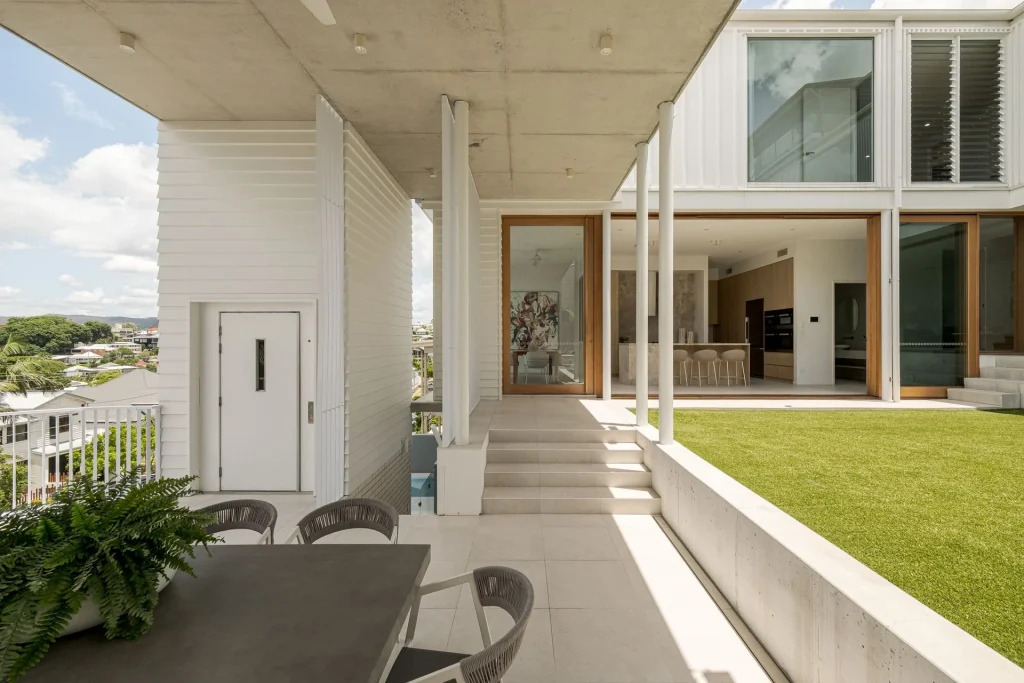
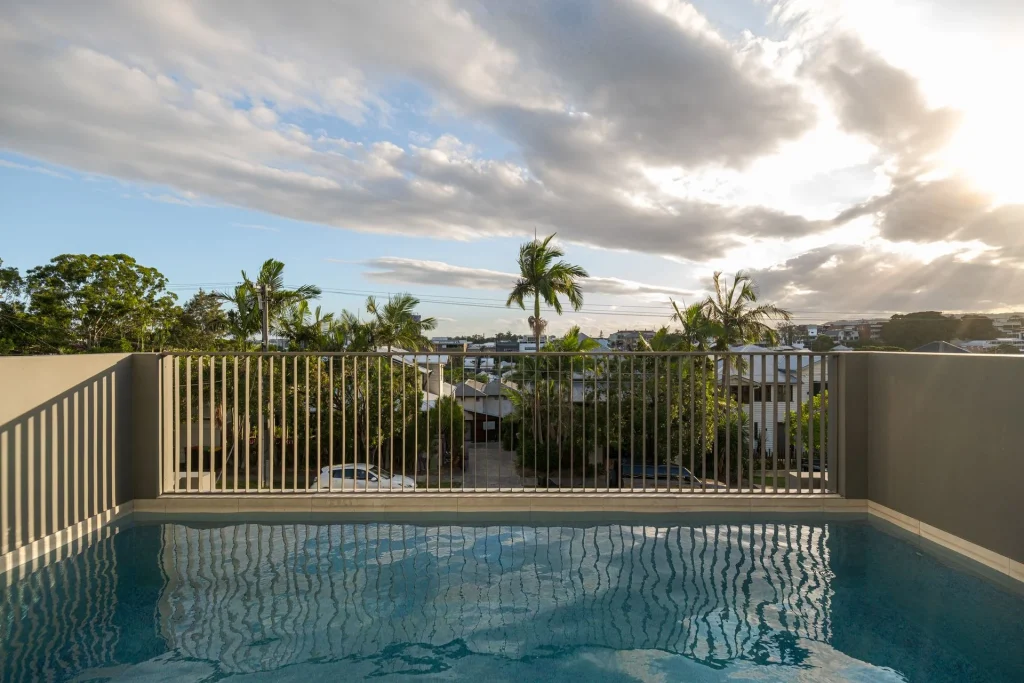
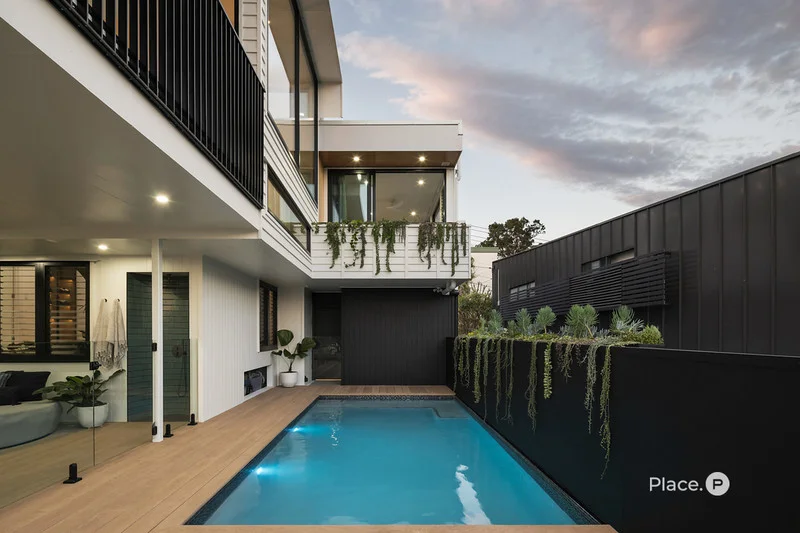
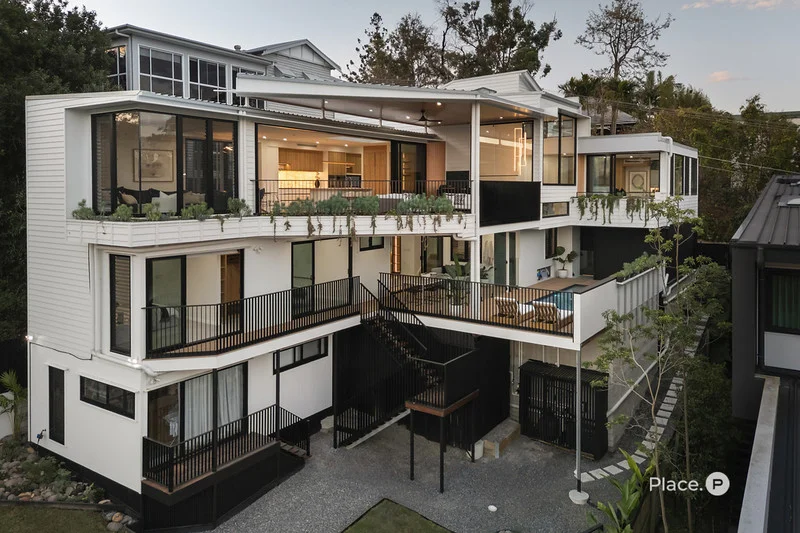
The 810-square-metre dual lot now features level grounds, with architect Joe Adsett of Joe Adsett Architects having cleverly utilised the natural slope. A swimming pool was positioned with its rear wall serving as retaining structure to level the land, whilst the space beneath the house accommodates parking for four vehicles and an additional living area.
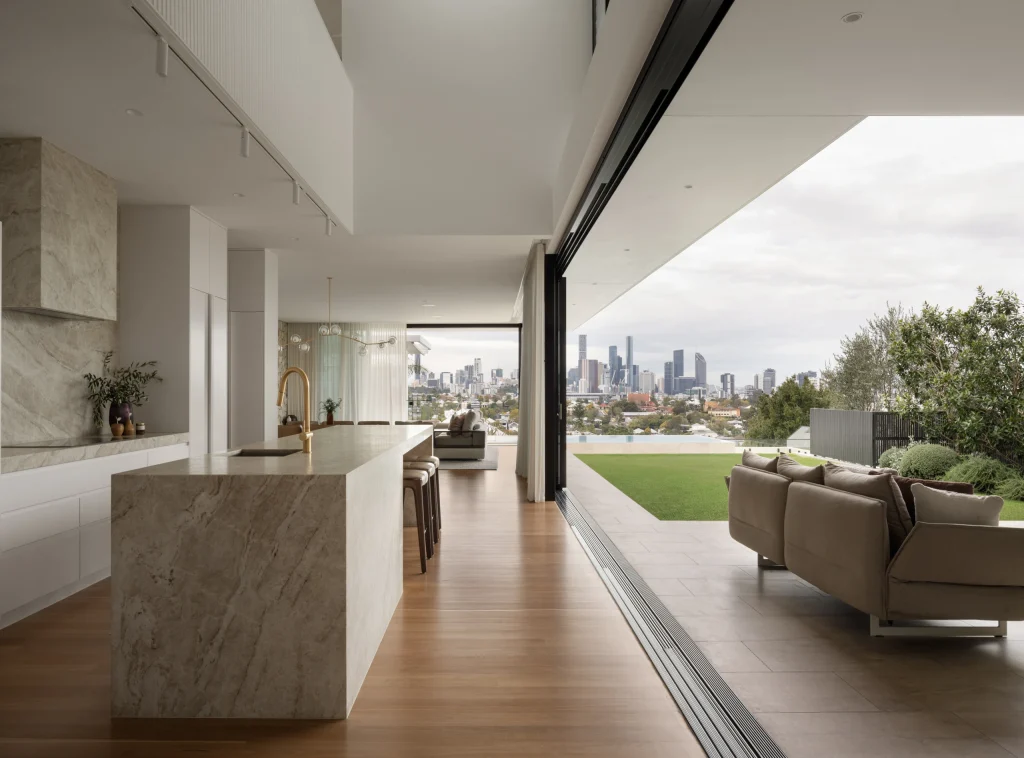
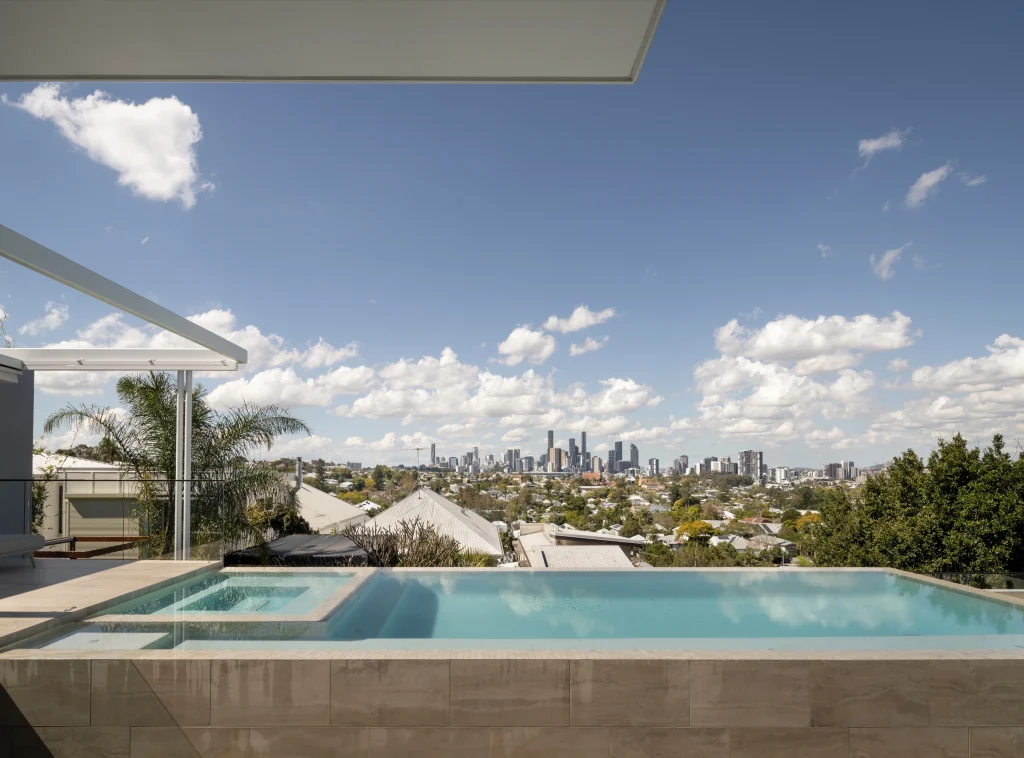
The property includes five bathrooms, two living areas organised around a central courtyard, and a heated infinity pool with spa. The outdoor entertaining space features a kitchen, covered terrace and sunken fire pit. Upstairs additions include a balcony, window seat, study and Pilates studio.
The renovation faced additional complications beyond the topography. The house sits within a conservation area, requiring any modifications to preserve its character and appearance. Extensive asbestos was also discovered during works.
The original weatherboard cladding and stucco were removed, with the home rebuilt to more closely resemble a traditional Queenslander featuring weatherboard and metal roofing. According to Adsett, the finished home is completely unrecognisable from its previous form.
Ray White New Farm sales agent Josh Brown is marketing the property, highlighting the elevation advantages that deliver views from every room across Brisbane’s northern cityscape.
Whilst steep-block construction presents significant design challenges compared to flat sites, the resulting outlook provides substantial compensation for the engineering complexities involved.
A stunning architectural achievement on Reading Street is generating significant interest in Paddington’s property market, with industry observers predicting it could establish a new price benchmark for the historic suburb.
The custom-built residence at number 9, known as ‘Skyline’, represents the culmination of an ambitious project that began when Kylie Anne and Anthony Steven Preston acquired the site for $3 million in 2019. The couple commissioned Graya and Joe Adsett Architects to create their dream family home on the prime 810-square-metre block.
The building process proved more complex than initially anticipated, extending over several years due to various planning considerations and regulatory requirements. Real estate agent Josh Brown from Ray White New Farm, who is marketing the property alongside colleague Matt Lancashire, explained that the extended timeline reflected the owners’ commitment to achieving their architectural vision.
The completed home showcases contemporary luxury living across five bedrooms, each featuring its own ensuite bathroom. Additional amenities include dual living spaces, a dedicated pilates studio, and an upper-level balcony that capitalises on the property’s elevated position and 20-metre street frontage.
External features complement the sophisticated interior design, with a heated infinity pool and spa anchoring the outdoor entertainment areas. The landscaped grounds also incorporate an outdoor kitchen, gazebo, and sunken fire pit, creating multiple zones for family gatherings and entertaining.
Brown emphasised the property’s unique positioning within Paddington’s topography, noting that the unobstructed city views are exceptionally rare for the suburb. The flat, integrated floor plan maximises the site’s potential whilst maintaining the character expected in this sought-after inner-city locale.
The owners lived in their custom home for three years before deciding to relocate to Victoria, prompting the current sale. Their departure represents an opportunity for another family to acquire what may become Paddington’s most expensive residential transaction to date.
Market analysts are closely watching the expressions of interest process, particularly given the suburb’s previous record sale of $11.8 million achieved by a property on Garfield Drive. That transaction involved a smaller 653-square-metre site, suggesting the Reading Street property could command a premium price point.
Brown indicated strong initial market interest, particularly from families seeking luxury accommodation in Paddington’s established school catchments and transport links. The target demographic appears to include households with multiple children who value both space and proximity to Brisbane’s CBD.
The sale process continues through expressions of interest, with industry watchers keen to see whether this architecturally distinctive home will indeed reset Paddington’s residential price expectations.
A modest two-bedroom townhouse in Red Hill has become the centre of an intense bidding battle, ultimately selling for $1.255 million in what local agents are calling a remarkable demonstration of buyer demand in Brisbane’s inner suburbs.
The Arthur Terrace property drew an impressive crowd of 70 onlookers and 14 registered bidders to its weekend auction, highlighting the continued strength of Brisbane’s townhouse market. The sale comes as Brisbane unit prices have risen significantly, jumping from $450,000 in 2021 to $688,000 recently, with the national median for units and townhouses now sitting at $695,440.
Ray White Paddington’s Judi O’Dea, who handled the sale, said the level of interest was extraordinary. Pre-auction offers had already exceeded $1 million, well above the $940,000 achieved by the last townhouse sale in the same complex.
The auction opened at $800,000, but excitement peaked quickly when the second bid jumped dramatically to $1.1 million – immediately surpassing the $1.075 million reserve and leaving only two serious contenders in the race.
What followed was a spirited contest between an interstate buyer calling in from Sydney and a local purchaser from Chelmer. Over approximately 20 bids, the price climbed steadily until the Chelmer buyer secured the keys at $1.255 million.
The successful purchaser, a woman planning to occupy the property herself, has big plans for her new home. She’s considering installing a pool in the courtyard and other upgrades to make the most of the inner-city lifestyle the townhouse offers.
For the vendors, the sale represents a life-changing opportunity. The couple, who had been renting after moving out of the townhouse due to their growing family’s space needs, will use the proceeds to purchase a larger family home with a significantly increased budget.
The remarkable sale price – more than $300,000 above recent comparable sales – reflects broader trends in Brisbane’s property market. Red Hill has experienced strong capital growth, with some data showing annual growth rates of nearly 17%, making it one of Brisbane’s most sought-after inner suburbs.
O’Dea noted that first-home buyers are particularly drawn to townhouse living, appreciating the balance between affordability and lifestyle that these properties offer compared to standalone houses in the same area.
The Arthur Terrace complex is increasingly attracting owner-occupiers rather than investors, with many new residents choosing to renovate and upgrade their properties to create their ideal inner-city homes.
The strong result demonstrates the continued appeal of Red Hill’s lifestyle offering, with its proximity to the city centre and established amenities continuing to drive buyer demand even in a challenging economic environment.
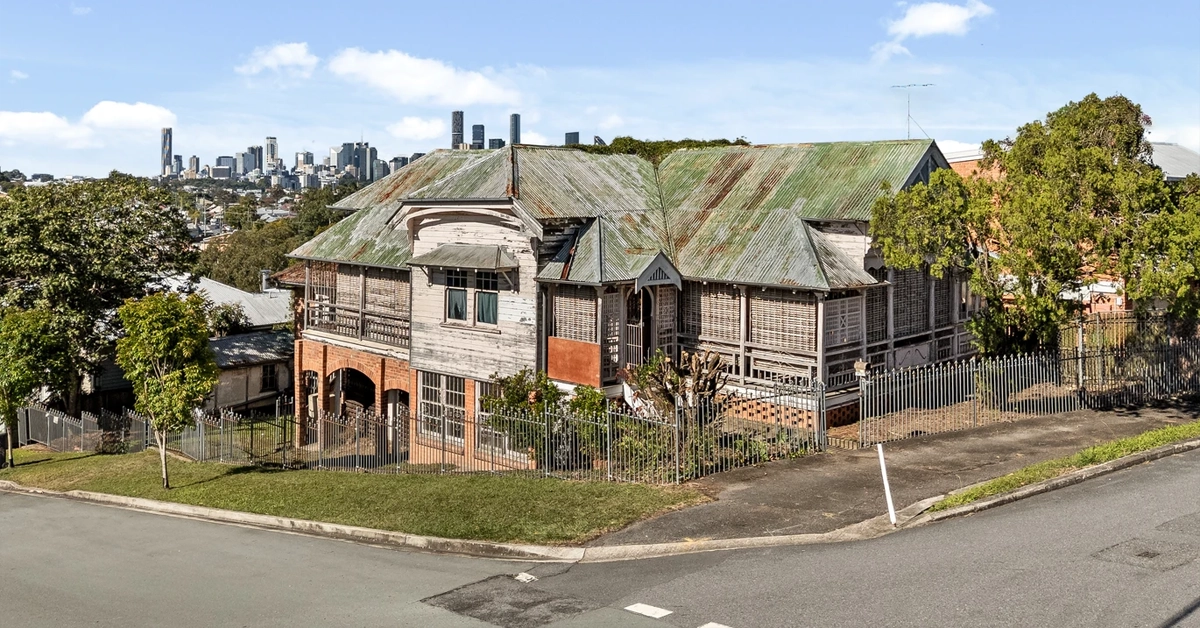
A remarkable home of the past in Paddington has changed hands, with a local family securing a historic property that had sat untouched for three decades.
The two-bedroom home at 31 Perrott Street attracted significant attention when it went to auction last Monday, drawing a crowd of 150 onlookers eager to witness the sale of what many considered a neighbourhood curiosity.
The property, which occupies a prominent 473-square-metre corner block with elevated views, had remained within the same family for over 100 years before going under the hammer. However, it had been vacant since the 1990s, creating an air of mystery that captured local imagination.
Stories circulated among residents about the abrupt departure of the home’s last occupants, with some claiming the dining table remained set as if the family had simply stepped out one day and never returned.
Ray White Paddington’s Max Hadgelias, who co-handled the sale, described the auction turnout as one of their largest on record. The bidding opened dramatically at $2.75 million, immediately reducing the field of 15 registered bidders to just four serious contenders.
Within minutes of being declared on the market at $2.95 million, the property sold for $3.1 million to purchasers who plan extensive renovations.
According to Hadgelias, the successful buyers were drawn to both the location and the sweeping views the elevated position provides. The local family outbid interest from Brisbane, interstate, and international buyers who had inspected the unique property.
The extended vacancy followed the death of a family member in the 1990s, after which the property remained empty whilst the family deliberated over its future. Hadgelias noted that the home represented such a treasured family asset that the decision to sell took considerable time.
Preparing the long-abandoned house for public inspection proved no small task, requiring a two-person crew working for two weeks to make it suitable for viewing. The interior revealed decades of accumulated belongings, with items dating back to the 1960s, 70s, and 80s creating an almost museum-like atmosphere.
Despite its lengthy vacancy, the property’s interior paintwork had weathered surprisingly well, though the exterior showed clear signs of neglect from Brisbane’s harsh weather conditions.
The abundance of period furniture and household items attracted considerable interest from antique enthusiasts, though these contents were not included in the sale. The vendors retain ownership of these items and will decide which pieces to keep before potentially selling the remainder.
The sale formed part of a busy week for Brisbane auctions, with 177 properties scheduled across the city. Preliminary results showed a clearance rate of 56 per cent from 107 reported outcomes, with 11 auctions withdrawn from the programme.
For Paddington residents, the sale marks the end of an era for a property that had become part of local folklore, whilst simultaneously representing the beginning of a new chapter as the historic home prepares for restoration and renewed occupancy.
The successful transaction demonstrates the continued appeal of Paddington’s character homes, even those requiring significant investment to restore them to liveable condition.
A pre-1900s Paddington cottage has been transformed through careful renovation rather than expansion, proving the enduring value of preserving heritage homes.
Partners Elizabeth Hall and Ruairi Roberts, co-directors of Hall + Roberts Studio, approached their own home renovation with both professional expertise and personal passion. Their goal extended beyond improving their living space—they wanted to demonstrate how smaller, older homes can be revitalised without sacrificing character or comfort.
“We hope to prove through this project that small and rundown housing stock isn’t a wasted investment,” Roberts explained in the original reporting. “These houses often get overlooked, knocked down and replaced with oversized echo chambers to the detriment of our neighbourhood’s character.”
The couple made strategic changes to maximise space without extending the home’s footprint. They removed the rear deck and low tin roof, replacing them with a large sliding door and Juliette balcony that dramatically increased natural light throughout the home.
“The natural light this immediately introduced was critical to the success of the new layout,” Hall noted.
In a thoughtful reconfiguration, they swapped the positions of the living area and kitchen, enabling better connection between the kitchen and outdoor spaces while enhancing privacy. Rather than dedicating space to a formal dining area, they installed an oversized concrete island bench that serves dual purposes as both dining table and work surface.
The renovation also included a colour refresh, replacing what was described as a “’90s palette” of pale purple, burgundy, and light blue with a more cohesive scheme featuring Dulux Whisper White, Mildura, and Black accents.
Outside, the removal of the rear deck revealed enough space for a sunken courtyard, which the couple transformed into a subtropical garden sanctuary. The front yard was also redesigned with a more open boundary to enhance connection with neighbours.