



Broncos Staffer Abbey Willcox Reaches Olympic Final As Brisbane Teammates Fly The Flag In Milano Cortina

When Abbey Willcox reports for work at the Brisbane Broncos’ Red Hill headquarters, she is usually coordinating NRL game day logistics. This week, she has been coordinating something very different — her Olympic debut at Milano Cortina 2026.


After a heavy snowstorm postponed Tuesday night’s qualifying rounds, the Women’s Aerials competition unfolded on Wednesday, February 18, under clear skies, and the Australians made their mark.

Danielle Scott soared straight into the final in second place, while Willcox powered through qualification to secure ninth and a place in the 12-skier final. Sidney Stephens finished 15th on debut, and Airleigh Frigo placed 22nd.

Flying Into The Final

Willcox landed a Back Full-Double Full in Qualification 1, scoring 88.12 to sit eighth. With only the top six progressing automatically, she returned for Qualification 2, but her first score held — locking in ninth overall and progression to the final.

“It was good to finally get out there and compete at the Olympic Games and I was pretty happy with my first jump,” Willcox said.

“[The conditions] are pretty good, not too much wind, and the sun’s out so you can’t really get a better day.”

Reflecting on reaching the final stage, she added:

“It felt so good to be out there [in an Olympic final] and land my jumps as well. It’s a dream come true.

“As soon as I made the Olympic Team, it was like a weight off my shoulders… I feel really happy and proud of myself.”

Back in Brisbane, her Broncos family has been cheering her on. Members of the NRLW squad, including captain Ali Brigginshaw, along with club figures Matt Gillett, Corey Oates and Sam Thaiday, sent her a video message of support ahead of competition. Thaiday told her they had ridden the club’s highs and lows together last season and were ready to ride the Olympic journey with her too.

The 12-skier final will see the top six advance to a Super Final to contest the medals, keeping Willcox in contention.

Tribute To Team Leader Laura Peel

Australia’s aerials campaign has also been shaped by the absence of team leader Laura Peel, who ruptured her ACL at a training camp on February 3 and withdrew on the eve of competition.

Peel, a four-time Olympian and one of Australia’s leading medal hopes heading into Milano Cortina, remained with the team in Livigno to support her teammates.

Willcox paid tribute by writing “Laura” on her glove with a love heart beneath before competition.

“She’s such a special person in our team and I’m just so sad that she’s not out here with us,” Willcox told Australian media after qualifying ninth.

“There’s not much I can do about her ACL, but just show some support,” she added.

Brisbane Base Behind The Breakthrough

Although born on the NSW Central Coast, Willcox’s Olympic preparation has been firmly Brisbane-based. She trains at the Geoff Henke Olympic Winter Training Centre at Sleeman Sports Complex — the southern hemisphere’s first year-round ski-jumping facility — practising into a large outdoor pool before transitioning to snow overseas.

Her daily routine reflects the balance she has struck between elite sport and full-time work.

“We practice our jumps into a large outdoor pool for two hours,” she said.

“After that I go to the gym or do some trampoline practice for another two hours.

“Once training is finished, I jump in the car and drive to Red Hill to start work around 12:30pm.”
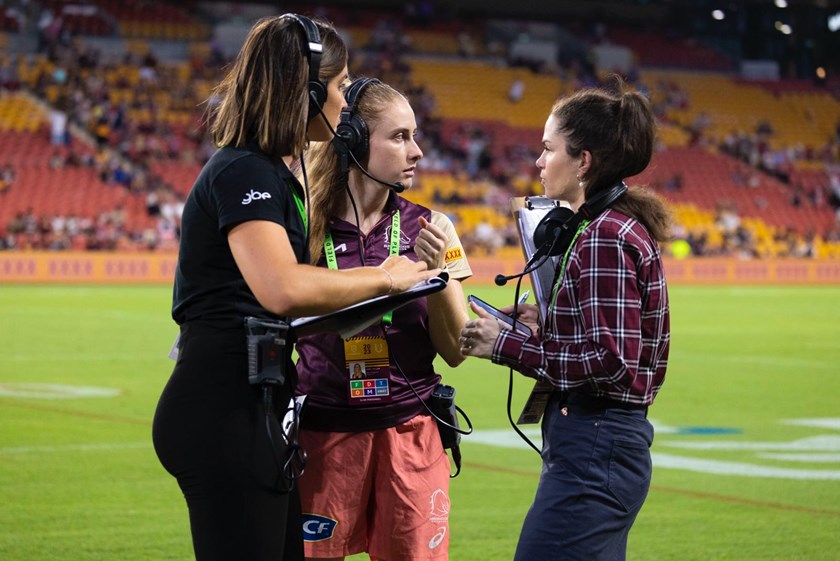
Photo Credit: Brisbane Broncos

Her workday often runs until 6pm, sometimes followed by further training.

“Then I do it all again the next day,” she said.

That persistence follows years of setbacks — including a broken leg and missing selection for the 2022 Games — before finally earning her Olympic call-up earlier this month.

“It was 10 years in the making, if not my whole life in the making,” she said.

Stephens And Frigo Complete Their Campaigns

Stephens, called up late following Peel’s injury, performed a Back-Lay-Full (75.11) and Back-Lay-Tuck (73.84) to finish 15th.

“I’m super stoked… I’m just really proud of the effort I did today,” Stephens said.

“It’s a great experience… I think it was really cool to see I could handle that.”

Frigo attempted a Back Full-Full and a Back-Double Full-Full but was unable to cleanly land either jump, scoring 55.75 and 60.27 to place 22nd.

“I’m really proud to be here right now. It wasn’t quite the performance I wanted, but I’m here… and I gave it my all,” Frigo said.


At this stage of the competition, Scott and Willcox advance to the final, while Stephens and Frigo conclude their individual campaigns in qualification — a strong Australian showing built on depth, resilience and team unity under pressure in Italy.

Published 19-February-2026
Multi-Level Sports Bar The Milton Set to Join Caxton Street’s Pub Scene

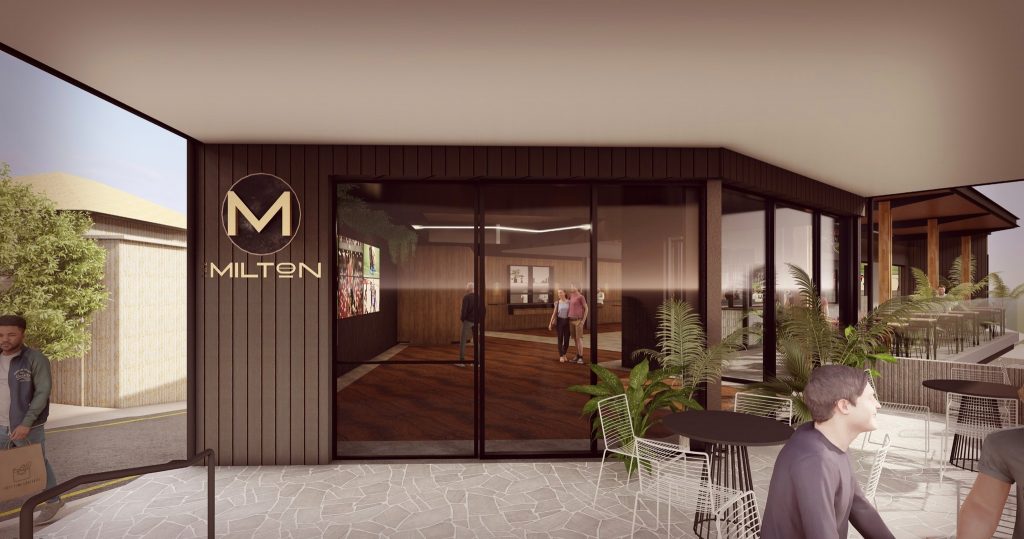
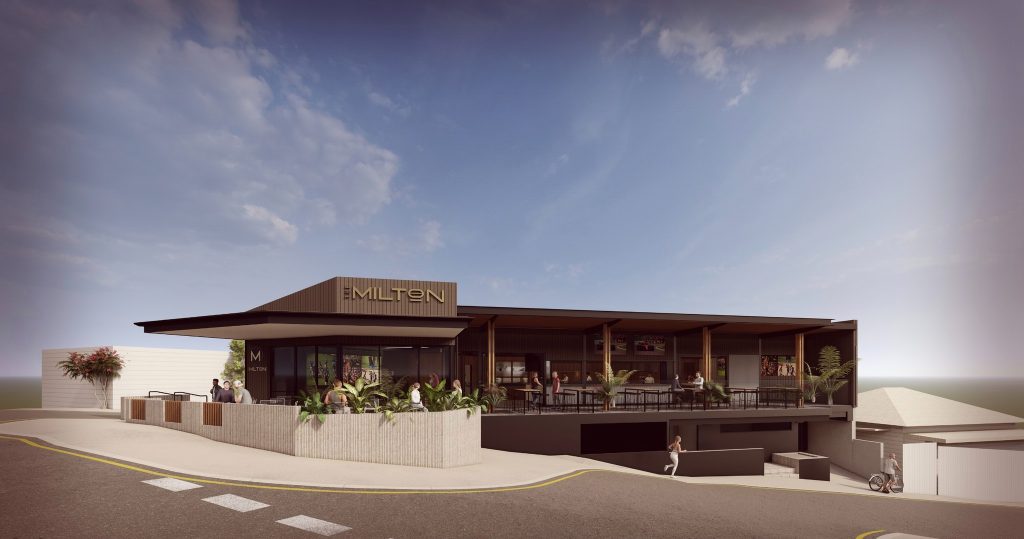
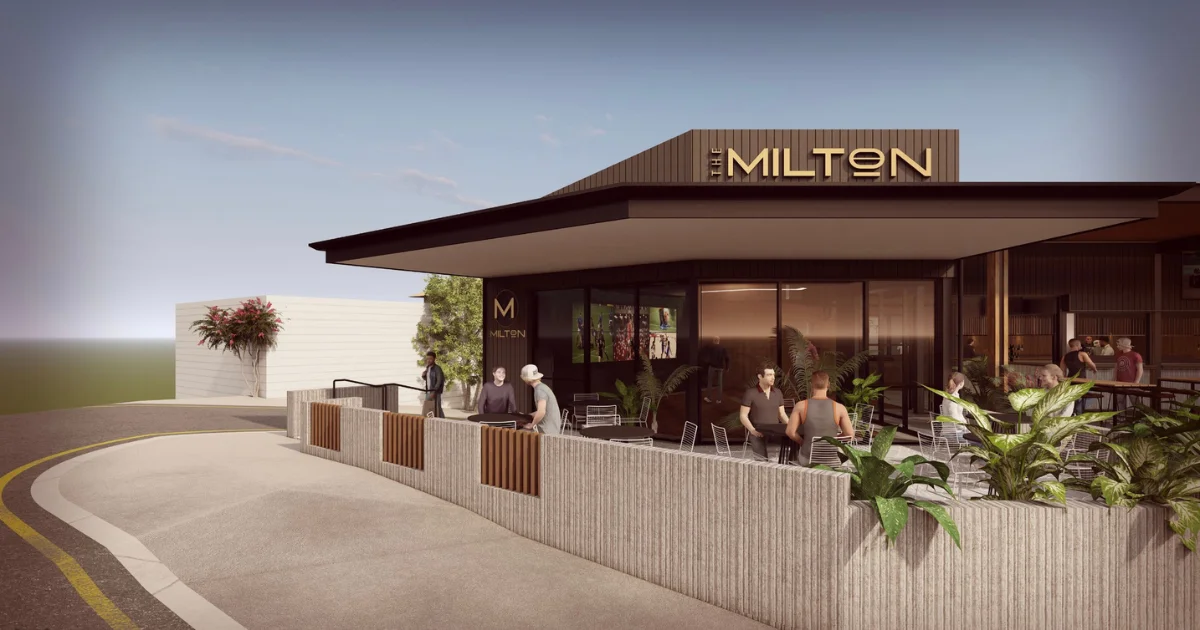
Caxton Street is about to welcome a new player to its bustling hospitality scene, with The Milton Rooftop & Sports Bar preparing to open its doors in March 2026. The multi-level venue promises to blend classic pub culture with modern hospitality in the heart of the precinct that connects Paddington and Petrie Terrace to Suncorp Stadium.


Read: Historic Caxton Hotel Secures New Owner in $50-M Deal


The new establishment will join a long line of iconic venues along the street, positioning itself not just as another game-day destination but as a genuine community local that aims to draw patrons seven days a week.

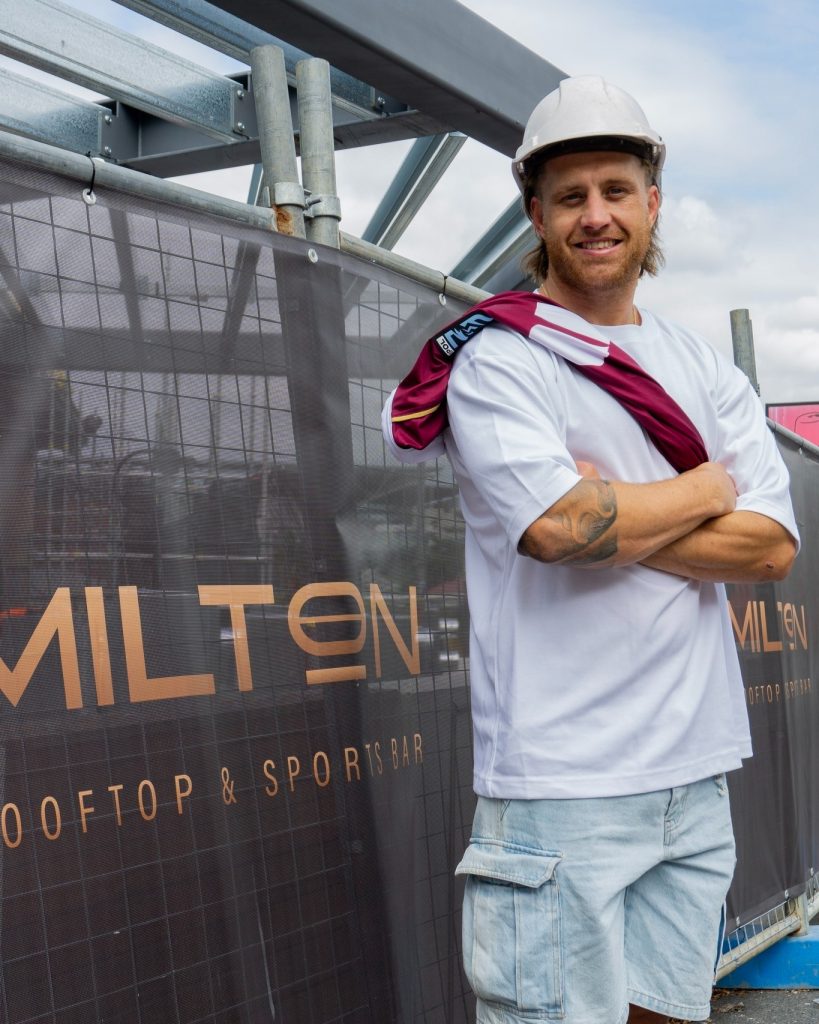
Behind the venture is Queensland Maroons captain Cameron Munster, who is bringing his long-held hospitality ambitions to life. The 31-year-old father of three, who has represented Queensland 21 times at State of Origin level, saw the opportunity to create something lasting in a location that has played such a significant role in the state’s sporting culture.

Photo credit: Facebook/The Milton Rooftop & Sports Bar

“Caxton Street has always been the heartbeat of Brisbane sport,” Munster said. “I wanted to build a place that feels like the fans – loud, loyal, proud and always up for a good time. The Milton is that. It’s a spot for everyone, whether it’s before the game, after the game, or any day you want to feel like part of the action.”

For the Melbourne Storm halfback, the decision to invest in Caxton Street was straightforward. The precinct has long been the natural gathering point for fans before and after major sporting events, making it an ideal location for a venue designed to become part of the local fabric. While Munster’s profile will undoubtedly draw rugby league fans, the emphasis is firmly on creating a welcoming space for everyone, from families to function groups and casual diners.

What to Expect at The Milton

Photo credit: Facebook/The Milton Rooftop & Sports Bar

The venue will operate across multiple levels, each designed with a distinct purpose while maintaining a cohesive pub atmosphere throughout.

The ground floor will serve as the main pub area, built around familiar comforts and crowd-pleasing fare. The kitchen will focus on classic pub staples including parmigianas, steak sandwiches, burgers and shared plates, all designed to appeal to a wide range of tastes. A signature wagyu “Munster Burger” will feature on the menu as a playful nod to the venue’s part-owner.

The drinks offering will be equally broad, with a beer and beverage list designed to appeal to a wide mix of patrons. The space has been designed to feel comfortable for families during the day while maintaining its appeal for evening crowds and social gatherings.

Photo credit: Facebook/The Milton Rooftop & Sports Bar

Upstairs, the rooftop area will offer the venue’s signature feature: views towards Suncorp Stadium. However, this won’t be purely a sports bar experience. The rooftop has been conceived as a versatile space suitable for everything from long lunches and brunches to evening functions and celebrations, with live sport and entertainment on screens.

Downstairs, The Locker Room will add another dimension to the venue’s offering. During daylight hours, the space will function as an activation and events area. As evening approaches, it will transform into a late-night destination with music and a more energetic atmosphere, catering to those wanting to extend their night beyond the traditional pub experience.

The venue’s design philosophy centres on versatility and inclusivity. Rather than catering exclusively to the sporting crowds that pack Caxton Street during Origin matches, Broncos games and major concerts, The Milton aims to establish itself as a destination worth visiting any day of the week, regardless of what’s happening at the stadium.


Read: New Rooftop Bar Serving Wood-fired Pizzas Opens In Caxton St


For those in Paddington, Petrie Terrace and surrounding suburbs, The Milton represents another option for dining, drinking and socialising in a precinct that continues to evolve. Further details about the venue, including specific opening dates and booking information, are expected to be announced in the coming weeks.

Published 16-February-2026

23-Storey Bloom Residential Tower Proposed for Auchenflower Riverfront

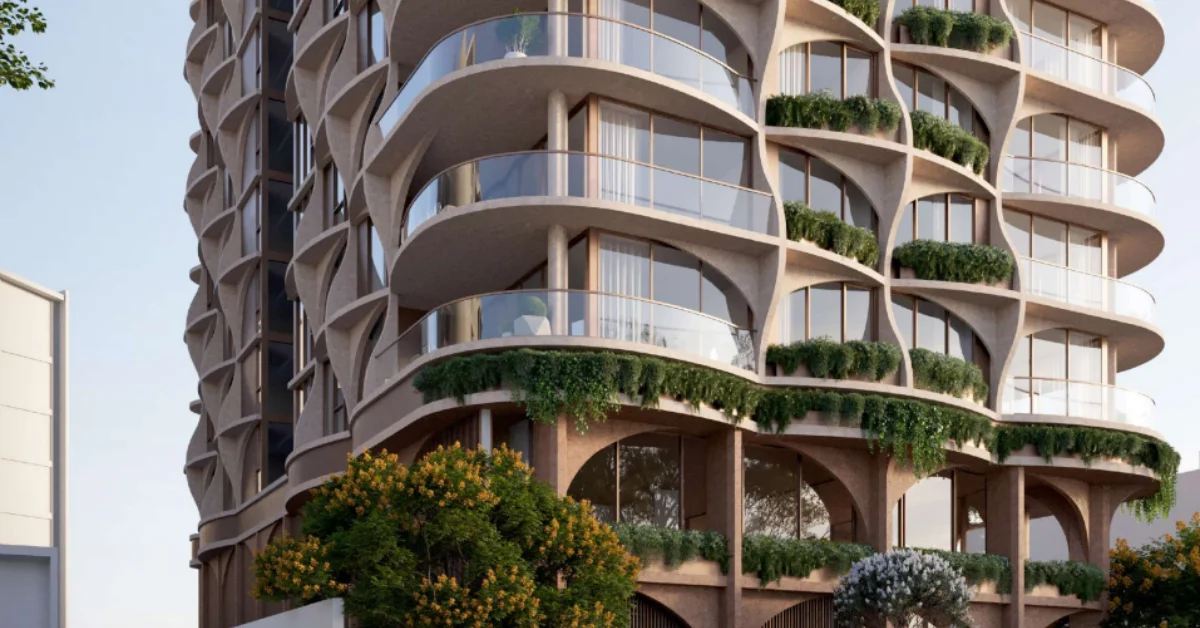
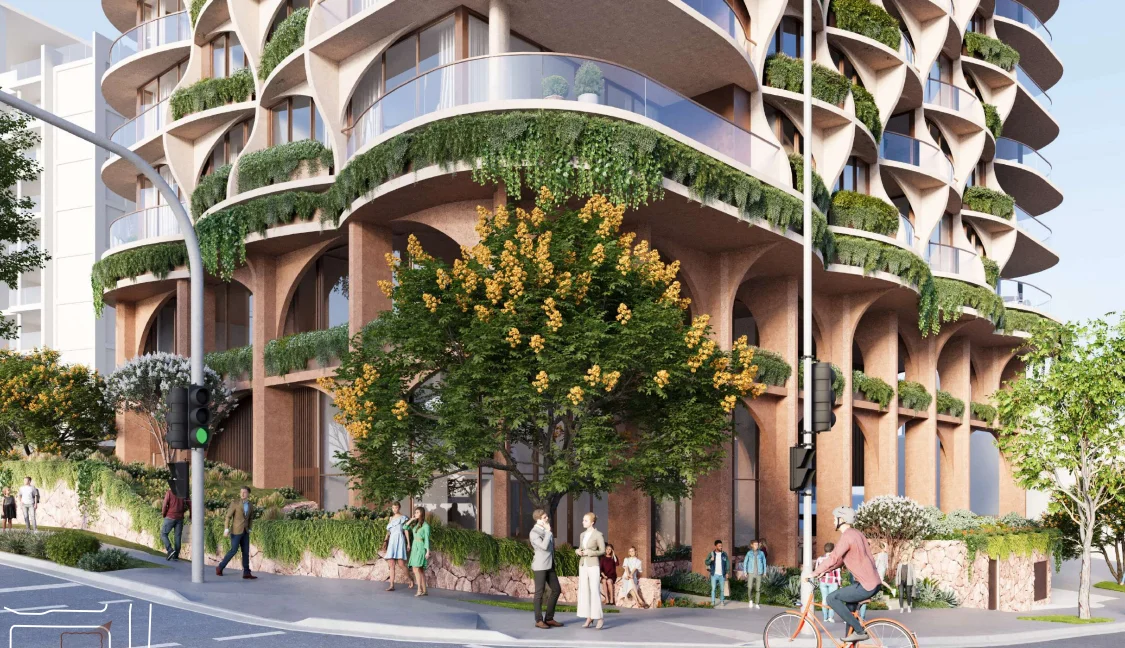
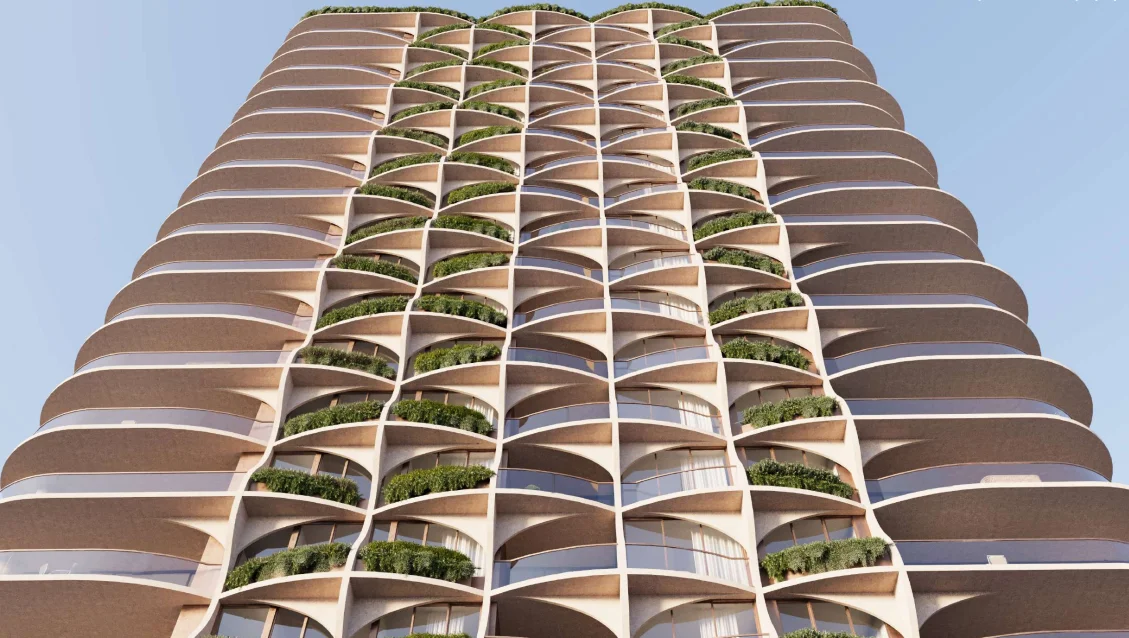
A 23-storey residential tower known as Bloom has been proposed for a riverfront corner in Auchenflower, with an impact assessable development application now lodged.


Bloom Residential Tower Proposed 

The proposal relates to land at 355 Coronation Drive and 6 Lang Parade, Auchenflower. It seeks approval for a material change of use for multiple dwellings and to carry out building work, including work assessed within the Flood Overlay.

The application is listed as A006954430 and is currently marked as in progress. As an impact assessable proposal, it is subject to public notification under the assessment process.

Auchenflower development application
Photo Credit: DA/A006954430

Project Details In Auchenflower

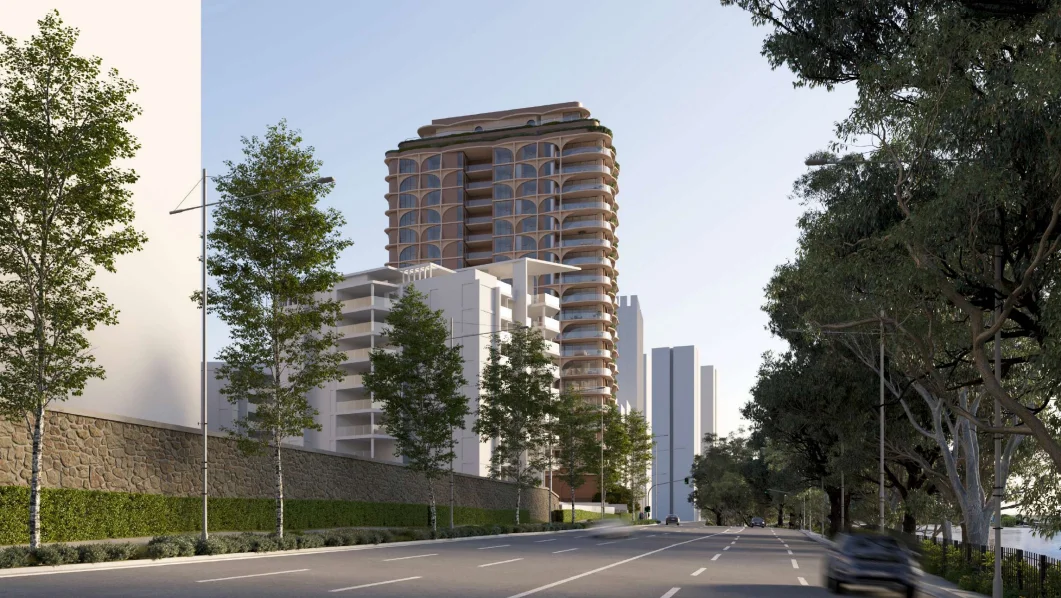
Plans describe a 23-storey tower reaching about 83.6 metres on a site of roughly 1,430 square metres at a bend of the Brisbane River. The location fronts Coronation Drive and Lang Parade, sits beside the Bicentennial Bikeway and is within walking distance of the Milton ferry terminal.

The proposal includes 90 apartments, comprising 36 two-bedroom and 54 three-bedroom units. Parking is planned across four basement levels with about 158 resident spaces and 14 visitor spaces, alongside bicycle parking for residents and visitors.

Rooftop communal facilities are proposed, including a 25-metre lap pool, hot and cold spas, barbecue area, private dining room, cinema, sauna, steam room and landscaped seating areas.

residential tower
Photo Credit: DA/A006954430

Design And Public Realm

Project material describes a design approach featuring curved balcony edges, layered façades and planting integrated across the building. Publicly accessible landscaped areas are proposed at ground level, including a corner garden and elements intended to improve cycle connectivity to the Bicentennial Bikeway.

No retail component is proposed.

Auchenflower Bloom tower
Photo Credit: DA/A006954430

Site Background And Assessment Status

If approved, the development would replace an existing three-storey unit block and a single-level dwelling.

The application was submitted on 6 February 2026 and remains under assessment. Submissions can be made during the public notification period for impact assessable applications, in line with Council requirements.


A decision will be made once the assessment process is completed.

Published 11-Feb-2026

From Fire-Ravaged Property to Dream Home: Paddington Pool That Started It All

Most people walking past a fire-ravaged property would see only what was lost. Melissa and Milan Butina saw something else entirely — a starting point.


Photo Credit: Ray White

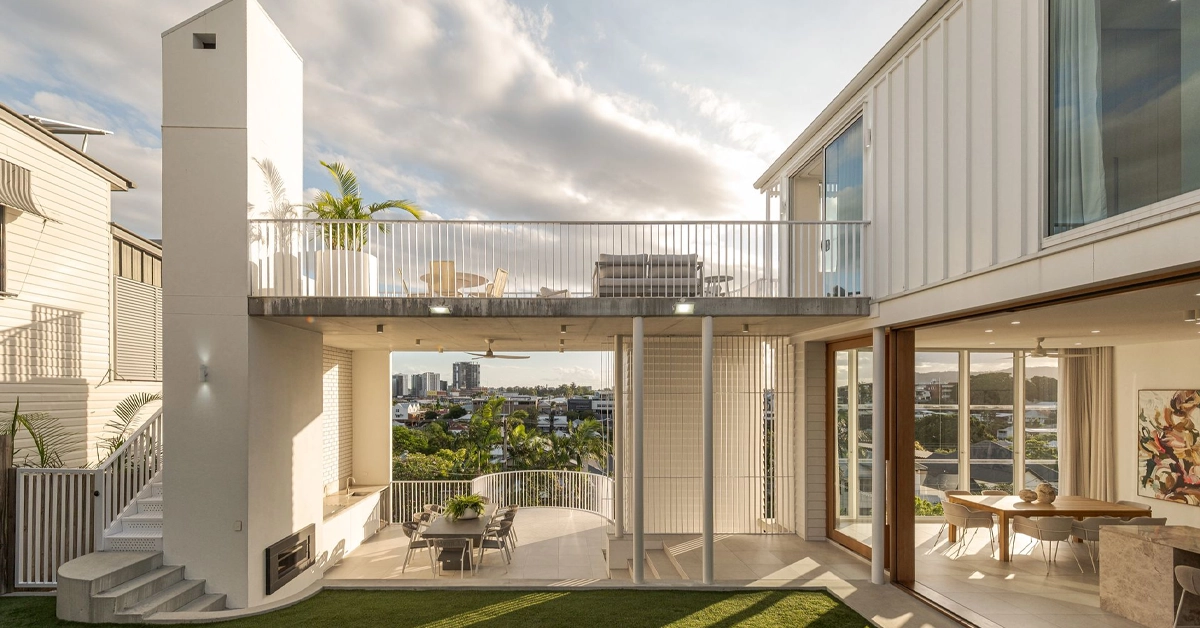
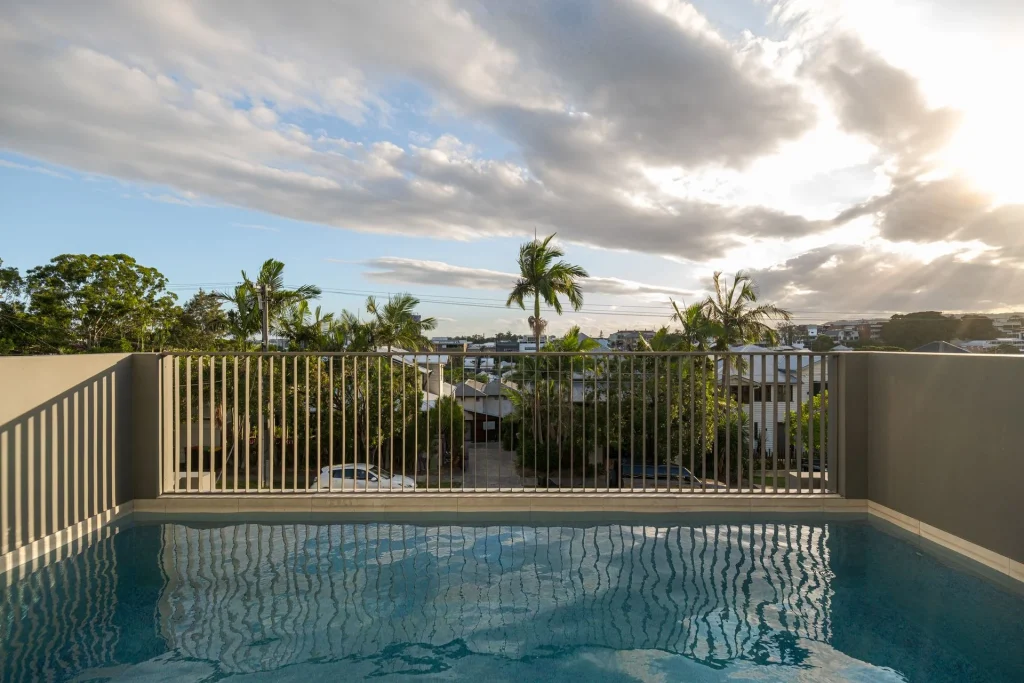
Seven years ago, the Brisbane couple were having a morning coffee near Plunkett Street in Paddington when they noticed the property at number 33 was on the market. Curious, and already in the neighbourhood, they ducked in for a look. What they found was not much of a house — a fire had razed whatever had stood there before — but what remained was striking: a pool perched high above the street, sitting atop a garage on an elevated 450-square-metre block with sweeping views in every direction.

Photo Credit: Ray White

It was an unusual proposition, but the Butinas were hooked. The timing of their chance encounter, combined with the property’s distinct bones, made the decision feel almost inevitable.

Photo Credit: Ray White

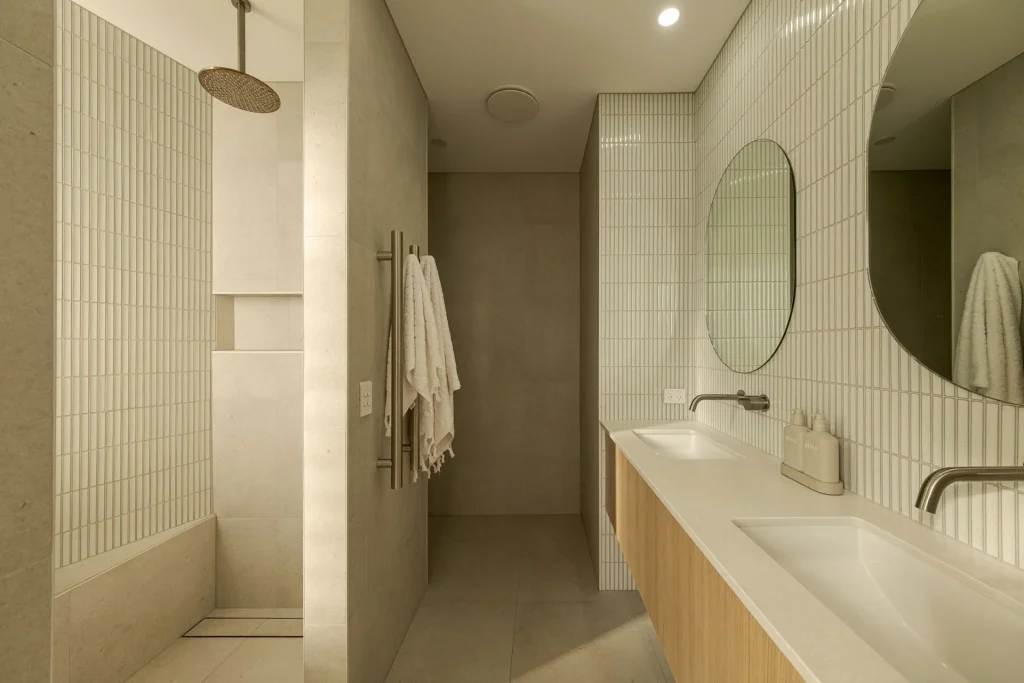
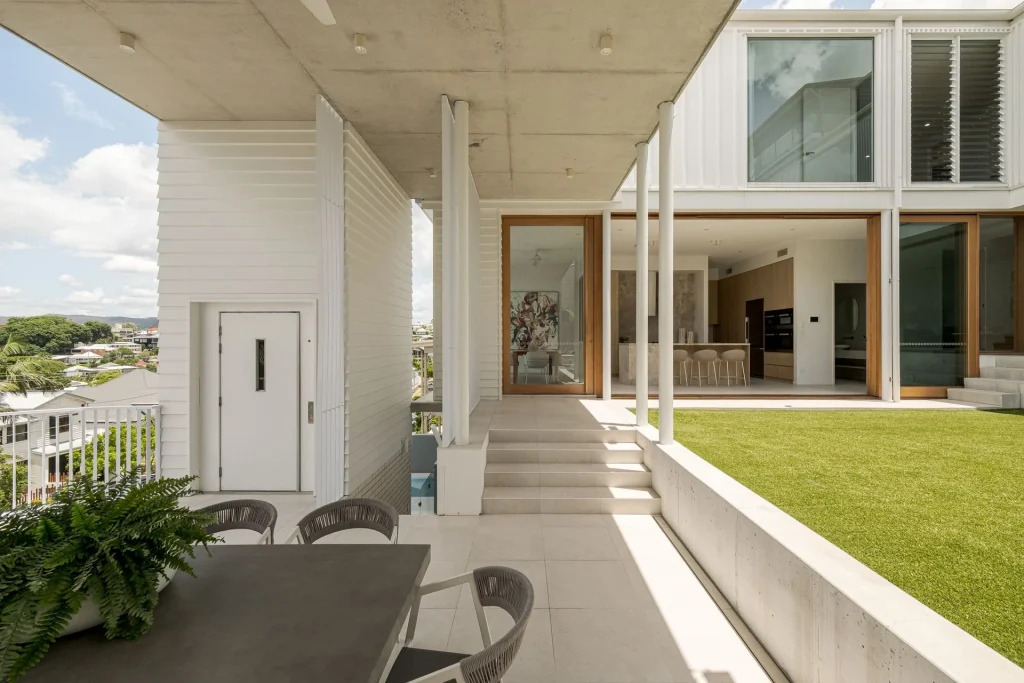
Rather than removing the pool or working around it, the couple made it the centrepiece of their vision. They engaged Brisbane-based architectural studio Myers Ellyett — known for delivering residential projects that respond closely to site and context — to help them design a home that would grow from the block outward. The result is a three-level, five-bedroom, four-bathroom home built into the hillside, with 180-degree views and a layout designed around connection, flow, and the kind of calm that is easy to appreciate but harder to engineer.

Photo Credit: Ray White

The Butinas were clear about what they wanted from the space: somewhere that felt open without being exposed, entertaining-friendly without sacrificing the feeling of a private retreat. Multiple living zones were created throughout the home to give the family — now including daughter Petra, five, and son Oliver, three — room to gather or spread out as the mood demands. Strong indoor–outdoor flow ties the levels together, with the original pool sitting at the heart of it all.

Photo Credit: Ray White

Over the years, the pool has evolved from an inherited quirk into something the family considers one of the home’s great pleasures. A heater was added to extend its use well beyond Brisbane’s warmer months, meaning it is a genuine year-round feature rather than a seasonal one. For the Butinas, it represents not just a place to cool off, but a focal point for the kind of everyday living that makes a house feel like a home — friends visiting on weekends, the children splashing about, the particular satisfaction of a summer afternoon with nowhere else to be.

Photo Credit: Ray White

Now, after seven years, the family is ready to let someone else enjoy it. The property at 33 Plunkett Street is listed for sale through Ray White Paddington agent Max Hadgelias via an expressions of interest campaign. The Butinas’ reason for moving on is perhaps the most fitting possible: they have loved the process of building this home so much that they are planning to do it all over again on another site.

Photo Credit: Ray White


For any buyer, the property comes with something that cannot be replicated from scratch — a story, a setting, and a pool with a view that once stopped two people dead in their tracks on a Sunday morning coffee run.

Published 9-February-2026
Red Hill Home Built From Brisbane’s History Sells for $2.32M at Auction

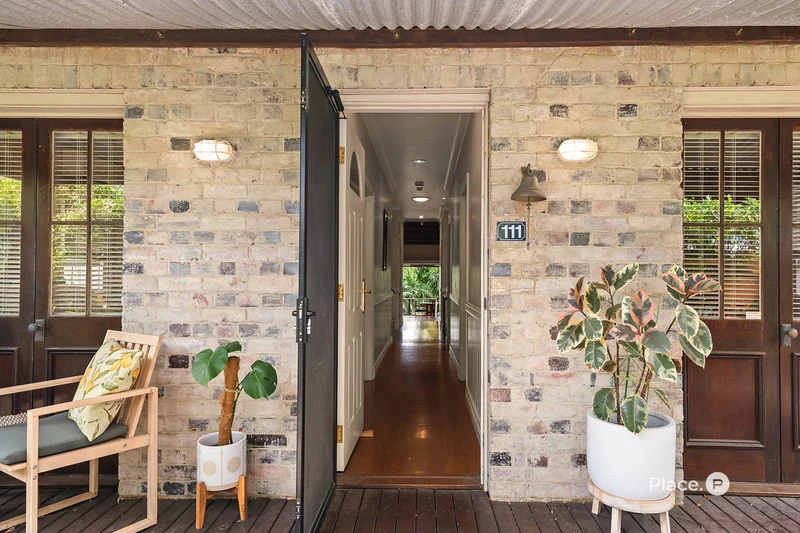
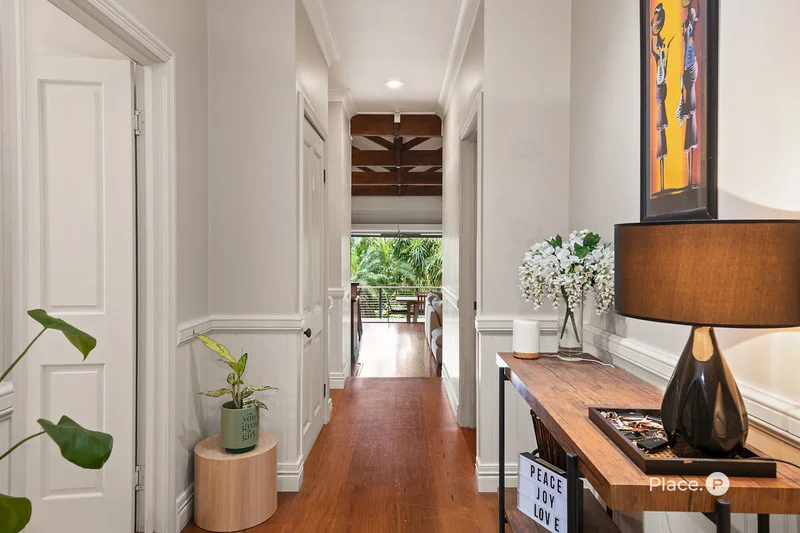
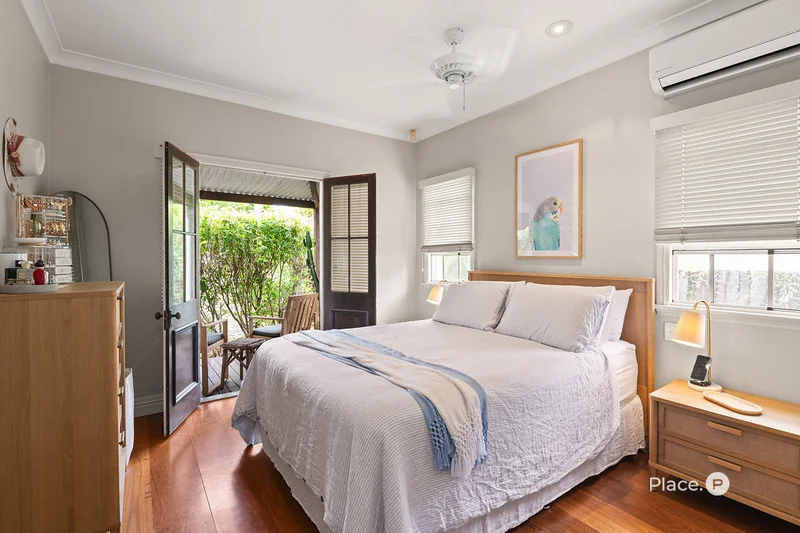
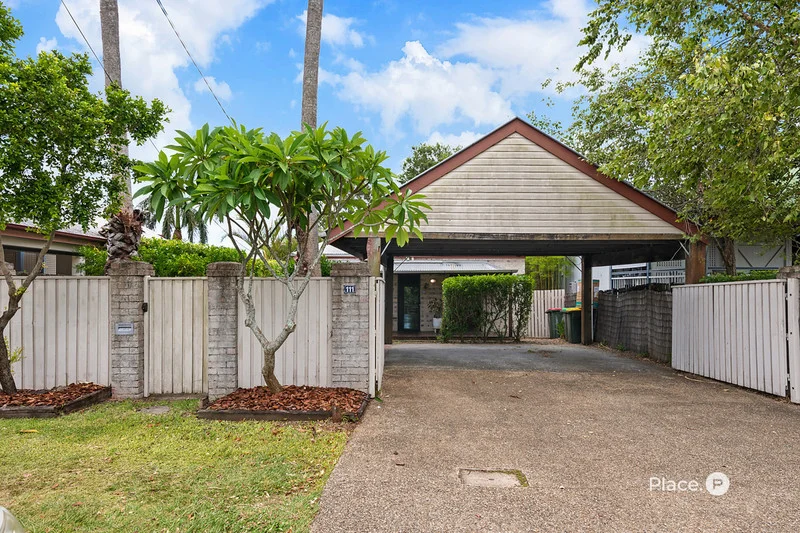
A Red Hill property steeped in Brisbane history has sold under the hammer for $2.32 million, well above its reserve, after an eight-minute auction that drew four registered bidders on Saturday.


Photo Credit: Place
Photo Credit: Place

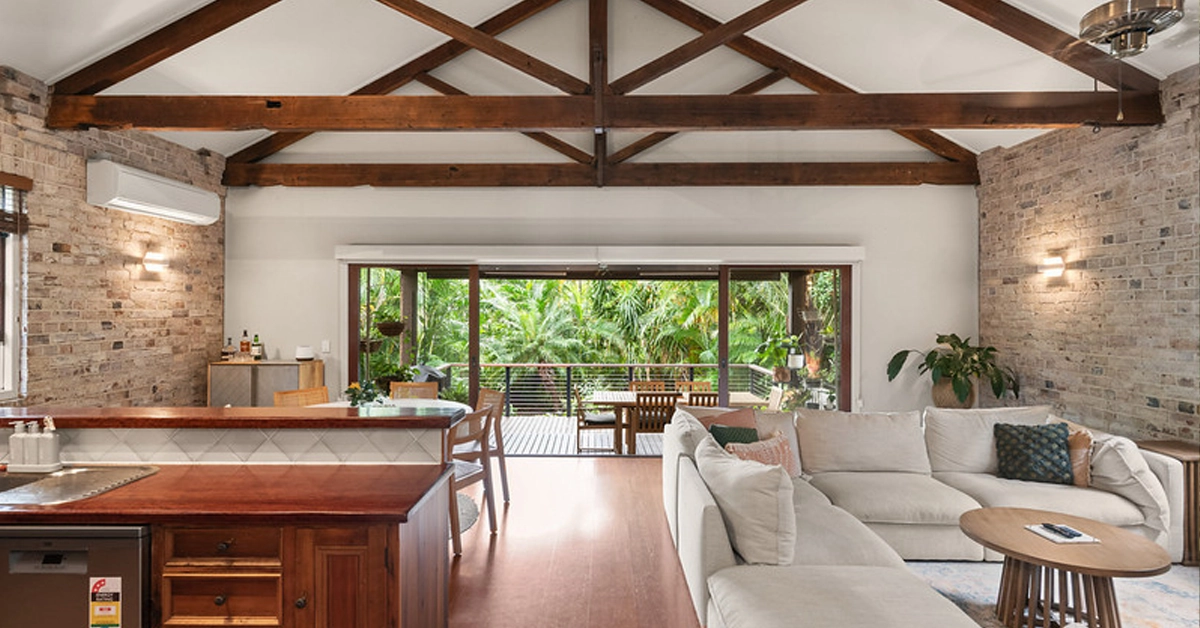
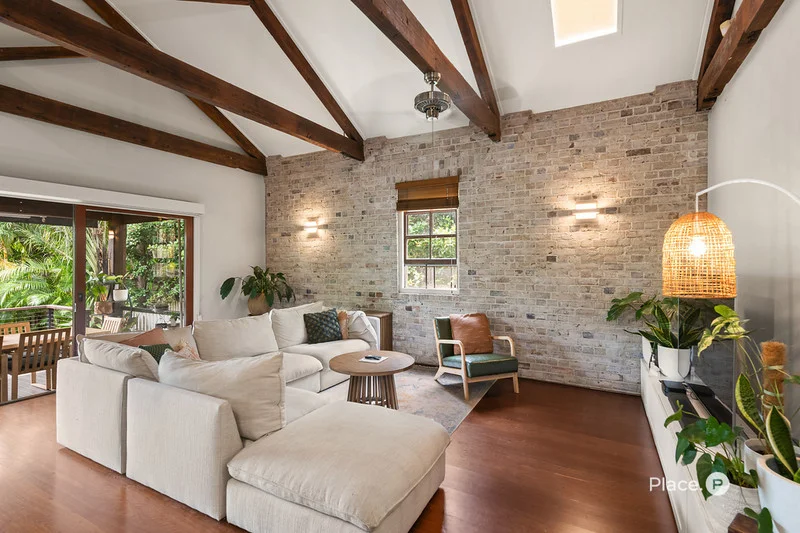
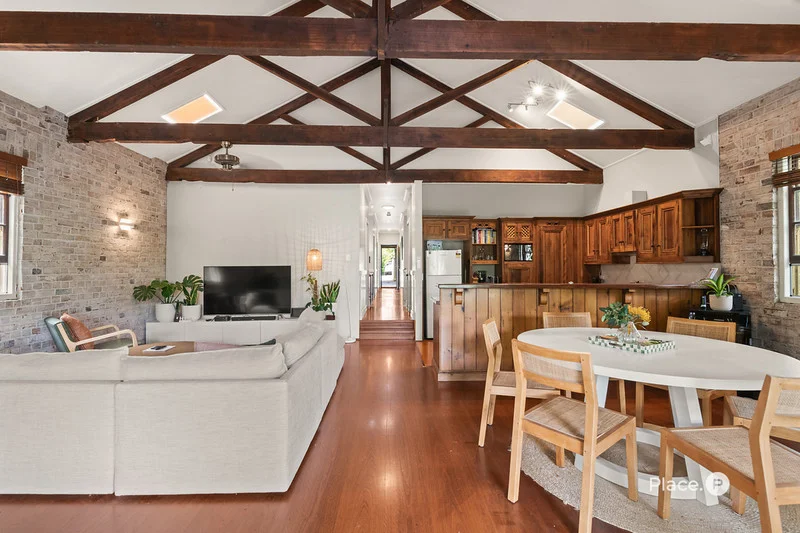
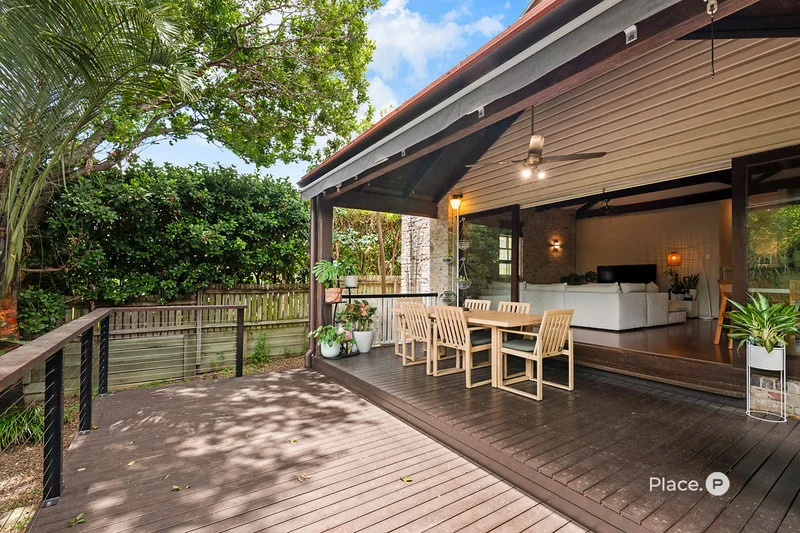
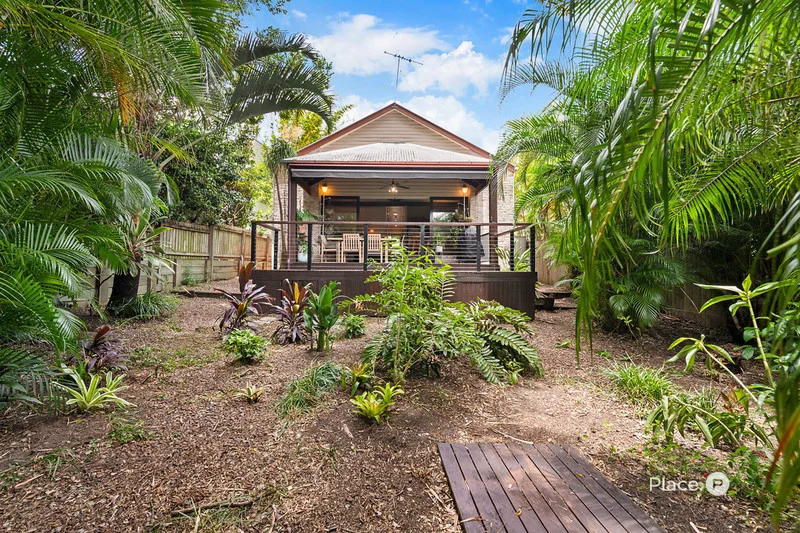
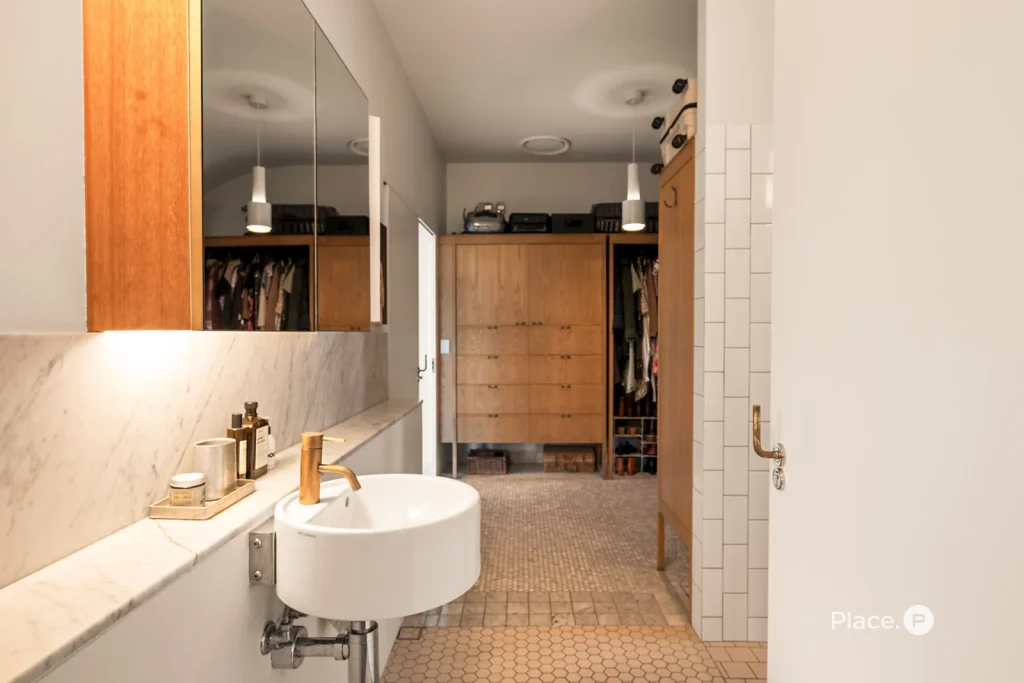
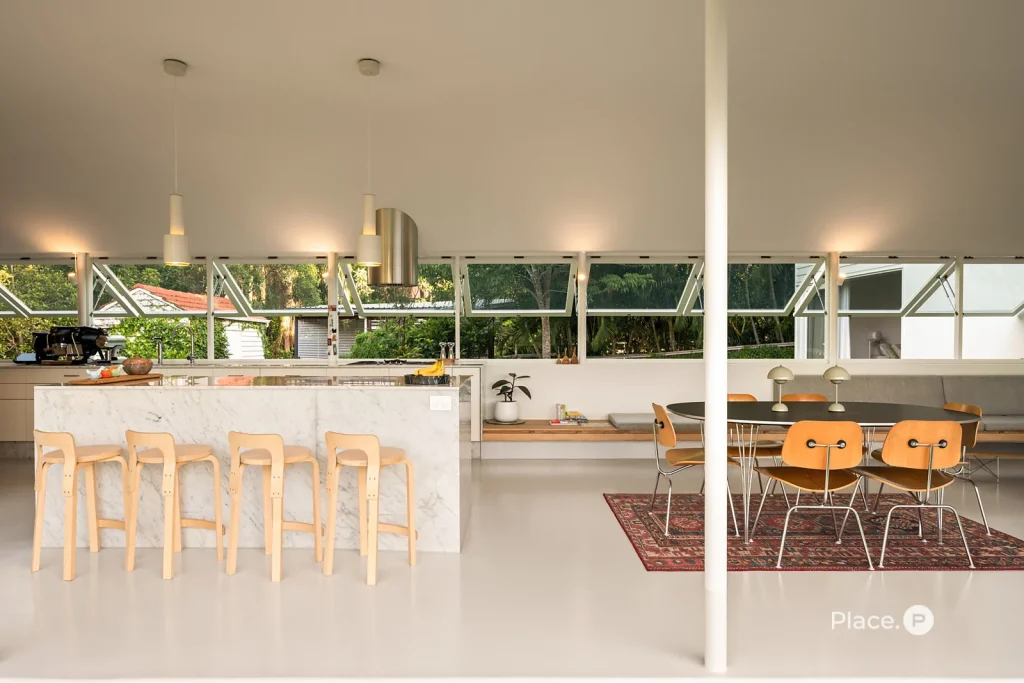
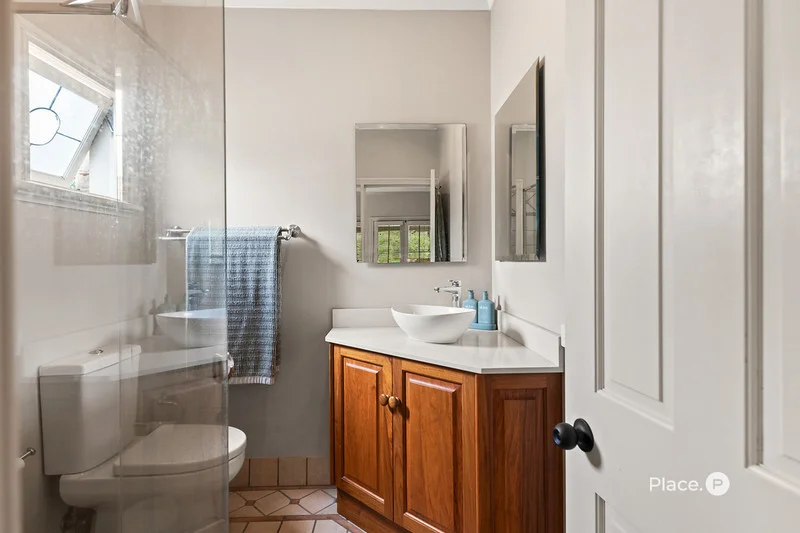
The four-bedroom, two-bathroom home at 111 Arthur Terrace sits on a 506-square-metre block and is notable for its use of salvaged materials sourced from some of Brisbane’s most recognisable landmarks. The home incorporates bricks from the Cannon Hill stockyards, cupboards originally from a convent, benchtops made from floor joists salvaged from the Treasury Building, and structural pillars from Brett’s Wharf.

Photo Credit: Place
Photo Credit: Place

The buyer, a local Brisbane man, had been watching the property for four years — having first taken notice of it during the pandemic. On Saturday, his persistence paid off when he opened bidding at $1.6 million. A series of $100,000 rises followed before the field narrowed to two determined bidders, with the hammer falling in just eight minutes.

Photo Credit: Place
Photo Credit: Place

Selling agent Alex Rutherford of Place New Farm described the atmosphere as electric, saying the vendors were delighted with the result while the buyer was left in a state of disbelief. She noted that pre-auction offers had fallen well short of the $2 million mark, making the final sale price a significant result for the vendors.

Photo Credit: Place
Photo Credit: Place

Rutherford attributed the strong outcome to the home’s one-of-a-kind construction, combined with tight stock levels and growing demand in Red Hill. The property had previously sold in 2018 for $1.03 million and had most recently been held by a local investor, who was renting it out at $1,000 per week.

Photo Credit: Place


The sale was one of 126 auctions scheduled across south-east Queensland on the day. By Saturday evening, Domain had recorded a preliminary clearance rate of 49 per cent from 82 reported results, with nine properties withdrawn.

Published 9-February-2026
Victoria Barracks on Petrie Terrace Among Defence Sites Earmarked for Divestment

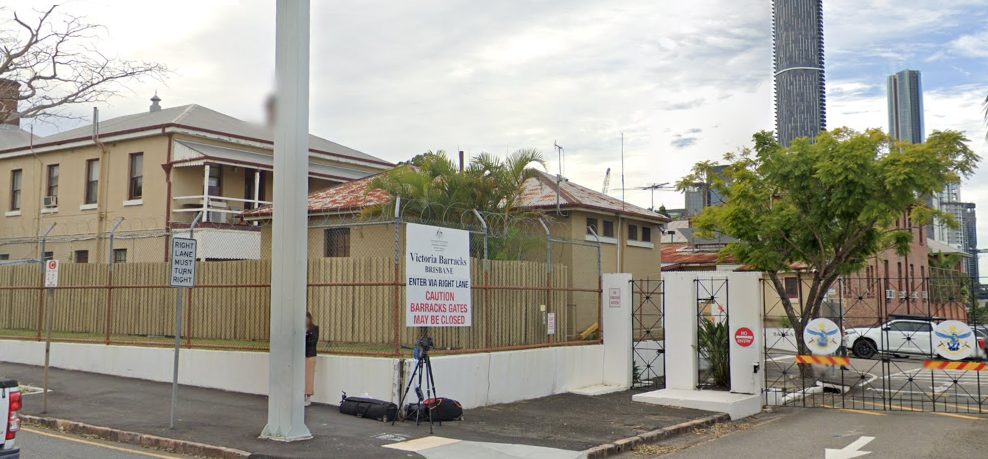
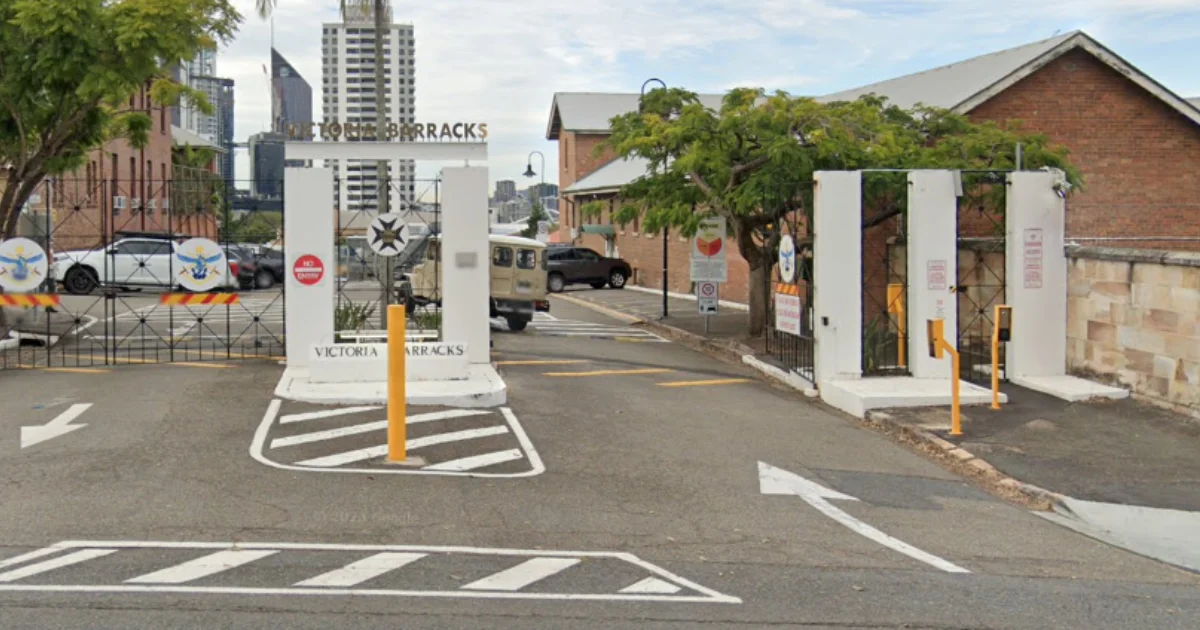
One of Paddington’s most significant landmarks is set to change hands after more than a century and a half of military service, as the Commonwealth moves to sell Victoria Barracks on Petrie Terrace as part of a sweeping national property divestment.


Read: Revitalisation Prospects Raised for Victoria Barracks in Petrie Terrace


The historic site, located just one kilometre from Brisbane’s CBD, is among more than 60 Defence properties across Australia earmarked for divestment following a multi-year audit of the department’s 3 million hectare estate. The nationwide sell-off is expected to raise approximately $3 billion, with Victoria Barracks sites in Brisbane, Sydney and Melbourne alone accounting for $1.3 billion of that total.

Victoria Barracks on Petrie Terrace
Photo credit: Defence Australia

Defence Minister Richard Marles released the audit findings on 4 February, agreeing to recommendations to divest surplus and costly properties that serve no strategic military value. The decision will see Australian Defence Force personnel including Reserves relocated to Gallipoli Barracks, 8km away, whilst Australian Public Service personnel will move to office accommodation in the Brisbane CBD.

For local residents, the announcement revives long-standing conversations about the future of this largely inaccessible heritage precinct, positioned strategically between Roma Street station and Suncorp Stadium.

The Australian Institute of Architects has welcomed the sale but emphasised the critical need for rigorous design governance to protect the site’s heritage and cultural significance. Caroline Stalker, Queensland Chapter President, described it as a once-in-a-generation opportunity to deliver genuine public benefit.

Stalker said in a statement that the sale creates a rare chance to give something back to the public realm, calling for transparent processes, strong cultural and heritage safeguards, and design-led planning that prioritises streets, parks, culture and community uses alongside any housing or commercial components.

Victoria Barracks on Petrie Terrace
Photo credit: Defence Australia

Victoria Barracks Brisbane is listed on the Commonwealth Heritage Register and includes 17 heritage-listed buildings, a parade ground, sandstone boundary walls, and a historic tennis court. The site also houses the Army Museum of South East Queensland, which currently offers limited public access through guided tours on three Wednesdays each month from 9:30am to 12:15pm.

The future of the museum remains uncertain, with Defence indicating it may relocate to Gallipoli Barracks or potentially remain on site depending on negotiations with future owners.

Any redevelopment will be subject to strict protections under the Environment Protection and Biodiversity Conservation Act 1999, which requires the Commonwealth to preserve the heritage values of listed properties. The Department of Defence has committed to exploring options including adaptive reuse of heritage buildings, retention of facades, partnerships with heritage organisations, and archival recording.

National President of the Australian Institute of Architects, Adam Haddow, has called for the establishment of a Federal Architect position to provide consistent design leadership across Commonwealth property transitions of this scale. Haddow said that when the Commonwealth reshapes city-defining precincts, it must do so with the same rigour expected of any major public project.

The sale process will be managed by the Department of Finance, though officials acknowledge some properties may take years to sell given the complexity of heritage requirements and potential remediation needs. The Commonwealth expects to save approximately $100 million annually in maintenance costs for ageing and underutilised facilities across the portfolio.

Net proceeds of about $1.8 billion after relocation costs and expenses will be reinvested in Defence capabilities.

A Landmark With Deep Roots

Victoria Barracks on Petrie Terrace
Photo credit: Google Street View

Victoria Barracks has been an integral part of Brisbane’s landscape for more than 160 years. The site predominantly provides office space to support capability management, service delivery and museum functions, and has accommodated various Defence operations throughout its long history.

The barracks experienced significant use during both World Wars, playing important administrative and logistical roles. In recent years, the Commonwealth has undertaken significant maintenance and remediation works across the heritage buildings, including a full roof and drainage system replacement, remediation of rising and lateral damp, mortar joint repairs, timber restoration, repainting, fire safety upgrades, and replacement of electrical infrastructure. Several heritage retaining walls have required attention due to age and construction methods.


Read: A Trip Down Memory Lane at the Petrie Terrace Heritage Trail


What Happens Next

The sale timeline remains unclear, though the complexity of heritage obligations and the scale of the divestment program suggest the process could extend over several years. For Paddington residents who have long glimpsed the historic buildings from Petrie Terrace, the next chapter of Victoria Barracks presents both opportunity and uncertainty about how this landmark piece of the suburb’s heritage will be integrated into the community’s future.

Published 6-February-2026
From Kookaburras to Mosaics: Discovering Paddington’s Hidden Art Collection

Forget white-walled galleries with entry fees and opening hours. Paddington has transformed its streetscape into a sprawling outdoor exhibition where art waits around every corner, accessible 24/7 to anyone willing to look up from their phone. 


Read: ‘Kooka! Trail’ in Paddington Almost Ready for Unveiling


From oversized kookaburra sculptures that double as street furniture to intricate mosaics and historical murals, this inner-city suburb proves that the best art doesn’t always hang in frames.

The Kooka! Trail: 16 Birds, 16 Stories

Photo credit: Facebook/Debra Hood Art

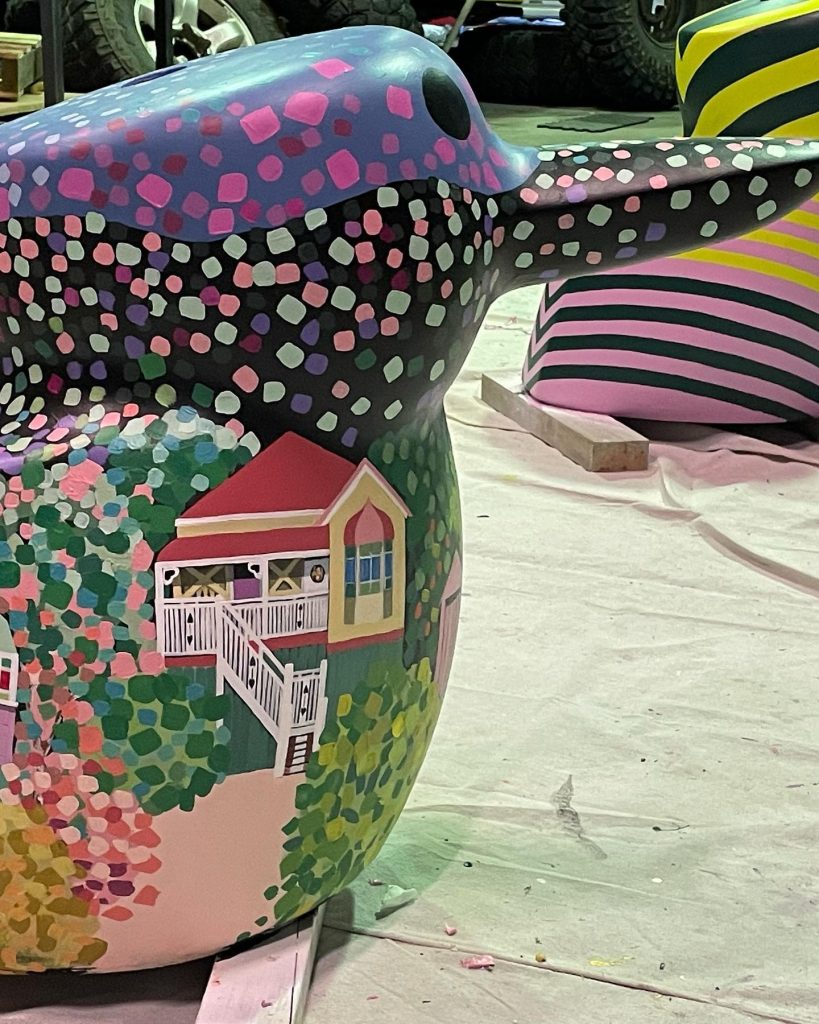
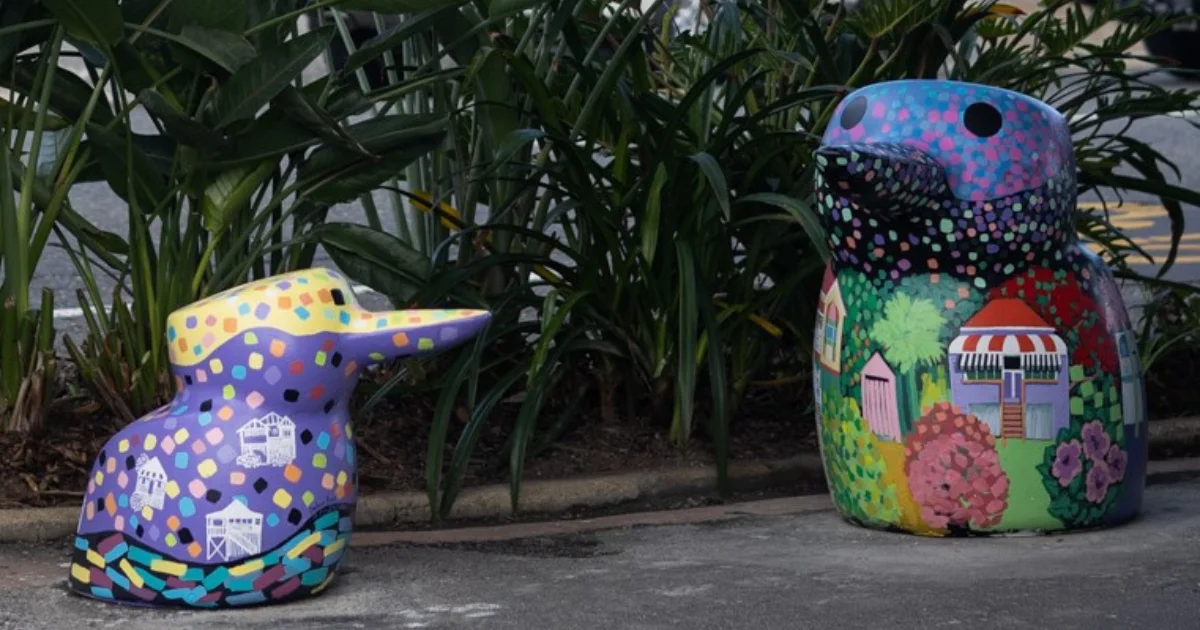
The centrepiece of Paddington’s public art scene is the Kooka! Trail, featuring 16 vibrant kookaburra sculptures scattered along Latrobe Terrace and Given Terrace. Launched in 2022 through Brisbane City Council’s Paddington Terraces Precinct Grant Project, these aren’t your average bird statues. Each sculpture was made from waste materials before being reimagined by local artists into functional seating that celebrates the laughing kookaburra.

Brisbane design collective Derlot created the base forms, while individual artists added their distinctive interpretations. Debra Hood decorated her kookaburra with delicate dotted patterns inspired by Brisbane’s springtime blooms. Zoe Porter’s “Latrobe Kookaburra” features the vivid pinks, yellows and greens of galahs, cockatoos and lorikeets, weaving native bird species into traditional kookaburra markings.

Torres Strait Islander artist Tori-Jay Mordey created “Care and At Night”, a thoughtful reflection on the struggles native wildlife face in urban settings. The collection also includes a particularly poignant sculpture representing five cultural groups – Irish, Hungarian, Croatian, Polish and Italian – commemorating the Catholic immigrant families who made Paddington home between the 1940s and 1970s.

Other contributing artists include Rick Hayward, Stephen Mok, Hailey Atkins and Spectator Jonze, each bringing their unique artistic voice to the project. The result is a cohesive yet diverse trail that invites visitors to spot the differences and discover the stories embedded in each work.

Highland Rest: Scott Harrower’s Mosaic Masterpiece

Photo credit: scottharrowerdesign.com

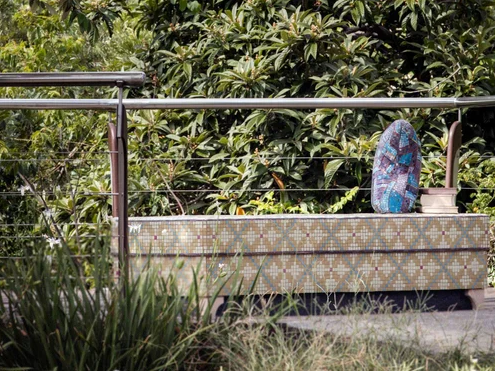
Along your journey, you’ll encounter Scott Harrower’s “Highland Rest”, a stunning mosaic-tiled bench that offers both respite and visual delight. Harrower’s mosaic work creates a permanent installation that functions as both art and amenity. The intricate patterns reward close inspection, making it an ideal spot to pause and appreciate the craftsmanship.

Bizzell’s Garage: The Bright Siders’ Tram Tribute

Photo credit: Facebook/Bizzell’s Garage

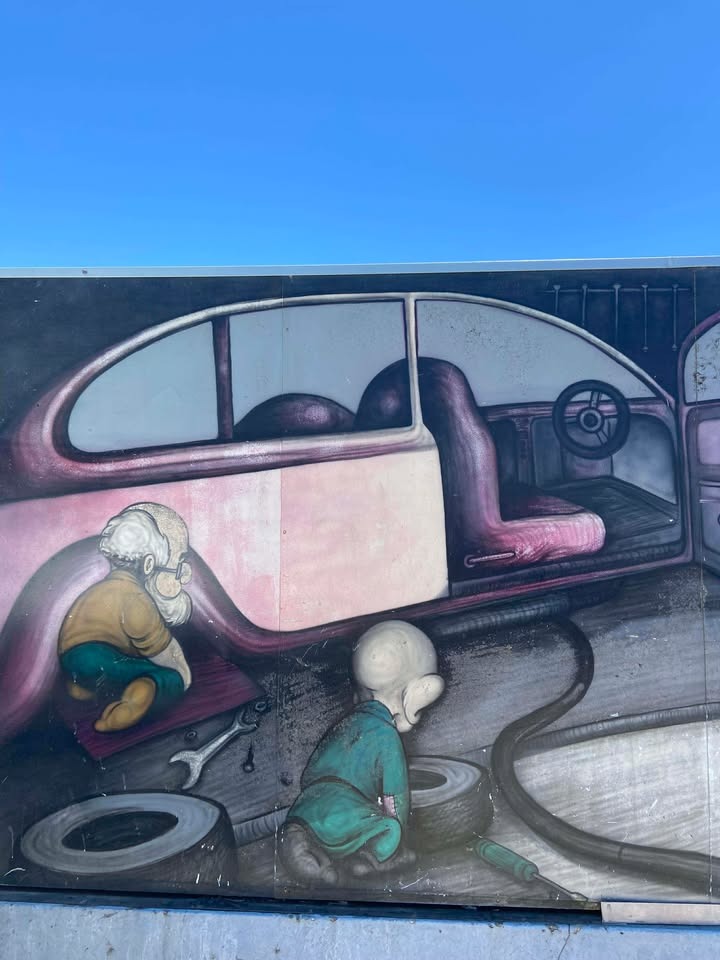
History comes alive on the exterior of Bizzell’s Garage, where a mural by artist collective The Bright Siders honours Paddington’s transport heritage. The artwork depicts the bustling tram scene that defined the suburb during the 1900s, when trams were the lifeblood of the community. The mural serves as a reminder of Paddington’s transport history and the trams that once defined the suburb.


Read: Bluey Video Game Released by Red Hill’s Halfbrick Studios


Planning Your Art Walk

The beauty of Paddington’s public art trail lies in its flexibility. Start from the Bardon end of Latrobe Terrace and walk towards Given Terrace and Suncorp Stadium, or reverse the route depending on your starting point. Multiple bus routes service the area, allowing you to hop on and off as energy levels dictate.

Between artworks, you’ll pass cafés perfect for refuelling, boutique shops worth browsing, and architectural gems that make Paddington a popular destination. The entire experience is free, making it an ideal outing for families, tourists, or locals seeking a fresh perspective on familiar streets.

Whether you’re an art enthusiast or simply someone who appreciates beauty in unexpected places, Paddington’s public art trail offers proof that creativity thrives when communities invest in making culture accessible to everyone.

Published 5-February-2026
Kelvin Grove Clinic Offers Free Urgent Medical Care to Walk-in Patients

Paddington residents and neighbouring inner Brisbane communities can now access bulk-billed urgent medical care seven days a week without needing an appointment.


The Inner Brisbane Medicare Urgent Care Clinic opened at QUT Medical Centre Kelvin Grove, just a five-minute drive from Paddington’s cafes and Queenslander-lined streets. Located on level two of U Block at 44 Musk Avenue, the clinic provides immediate treatment for non-life-threatening conditions that cannot wait for a regular GP appointment but do not require a hospital emergency department.

The clinic operates daily from 8am to 8pm and accepts walk-ins with no referral needed. Patients simply need a valid Medicare card to receive completely free care.

Services and Treatments

The urgent care clinic handles medical issues that need same-day attention but are not serious enough for hospital emergency departments.

This includes minor infections like urinary tract infections and sexually transmitted infections, respiratory illnesses, symptoms of gastroenteritis such as persistent diarrhoea or vomiting, minor fractures and sprains, sports injuries, minor cuts requiring stitches, insect bites and rashes, minor eye and ear infections, and mild burns.

The clinic is staffed by experienced independent doctors and nurses with access to excellent treatment and procedure room facilities. Pathology, radiology and pharmacy services are available nearby, though their hours may vary.

The clinic cannot treat major trauma, complex conditions, chronic disease management or provide preventive health procedures like cervical screening tests. For life-threatening emergencies, patients should still call Triple Zero (000) or visit their nearest hospital emergency department.

Filling the Gap Between GP and Hospital

Medicare Urgent Care Clinics were designed to bridge the gap for people who need medical attention but find themselves stuck between a fully booked GP clinic and an overwhelmed hospital emergency department. For Paddington families, this means no more waiting days for a GP appointment when a child has a minor injury, or sitting for hours in emergency for conditions that do not require hospital-level care.

The Kelvin Grove location serves Paddington along with nearby suburbs including Red Hill, Milton, Auchenflower, Bardon, Petrie Terrace and Herston. The clinic is easily accessible whether residents drive, catch a bus along Given Terrace or Latrobe Terrace, cycle or walk from surrounding areas.

Like other Medicare Urgent Care Clinics across Australia, the Inner Brisbane clinic utilizes a clinical triage system to manage high demand. If patient volume exceeds safe capacity, staff will prioritize cases based on urgency and may refer non-urgent patients to other services or ask them to return later.

Part of Broader Healthcare Expansion

The Kelvin Grove clinic is one of 90 Medicare Urgent Care Clinics operating across Australia, with plans to expand the network to 137 clinics during the 2025-26 financial year. More than 1.8 million presentations have been recorded at these clinics since the first sites opened in June 2023.

In Queensland, several additional Medicare Urgent Care Clinics are planned for inner Brisbane and surrounding regions. Brisbane North Primary Health Network announced tenders for two new clinics in the inner Brisbane area north of the Brisbane River and in the Narangba-Burpengary area. Brisbane South Primary Health Network is also accepting expressions of interest for three new clinics in their region.

Research shows that about one-third of patients at Medicare Urgent Care Clinics are under 15 years old, making these facilities particularly valuable for families. The extended hours and weekend availability mean parents can get care for their children without disrupting work schedules or waiting until Monday morning.

For residents across Brisbane’s inner suburbs, particularly those in Paddington where parking can be challenging and medical facilities are often busy, the new clinic provides a practical option when urgent health issues arise outside regular GP hours or when same-day appointments are unavailable.

The clinic accepts both walk-ins and online bookings through the Urgent Care Network Australia website. While no appointment is necessary, booking online may reduce waiting times during busy periods.


Published 02-February-2026.

Former Paddington Home of Broncos Legend Up For Auction on Valentine’s Day

A piece of Brisbane rugby league history is set to change hands next month, with the former Paddington home of Broncos legend Darren Lockyer going under the hammer on Valentine’s Day.


The property at 23 Agars Street, which Lockyer and his wife Loren called home for nine years, will be auctioned on 14 February at 6pm. The couple purchased the land in 2012 for $1.125 million and built their family residence in 2015, shortly after the NRL great retired from professional football.

Photo Credit: Place Kangaroo Point

The award-winning home last sold in 2024 for $6.4 million to a local family, who have since undertaken extensive renovations including a new kitchen, updated electrical systems, a fresh coat of paint, roof restoration and a new driveway.

Photo Credit: Place Kangaroo Point

According to listing agent Simon Caulfield from Place Kangaroo Point, the current owners—a couple with one child—have decided to sell because they believe the spacious property would better suit a larger family.

Photo Credit: Place Kangaroo Point

“This is Darren Lockyer’s former family home, so there’s an immediate emotional connection for a lot of people,” Mr Caulfield said. “But beyond the name, buyers are responding to what the home delivers. A finished, award-winning house on a large, flat block in Paddington is something we just don’t see very often.”

Photo Credit: Place Kangaroo Point

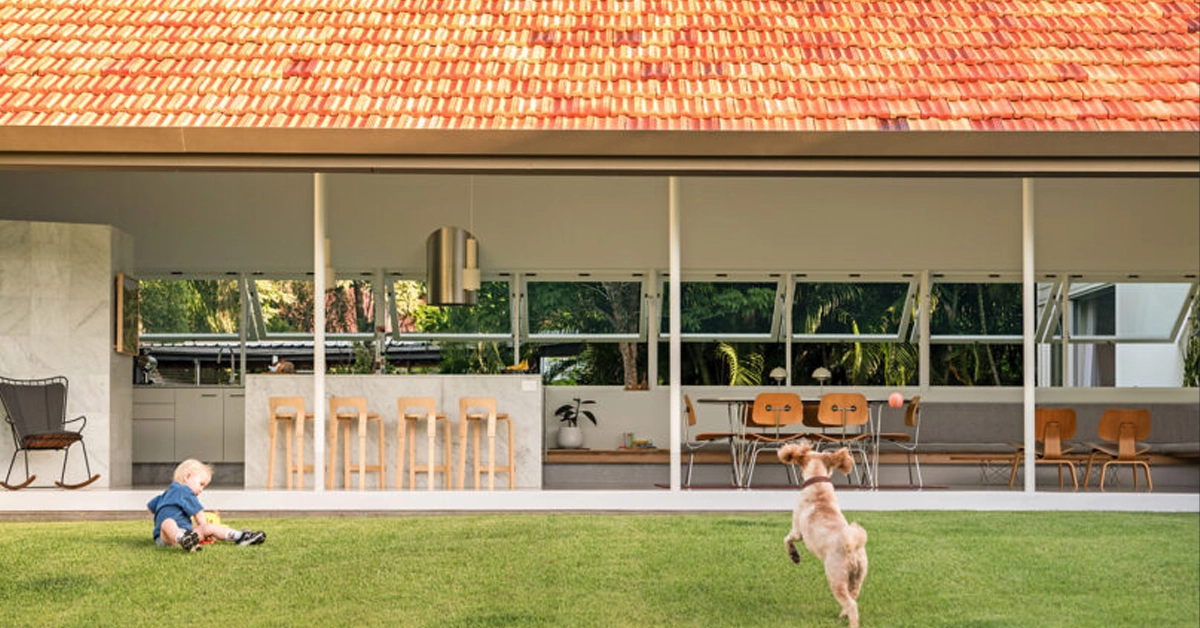
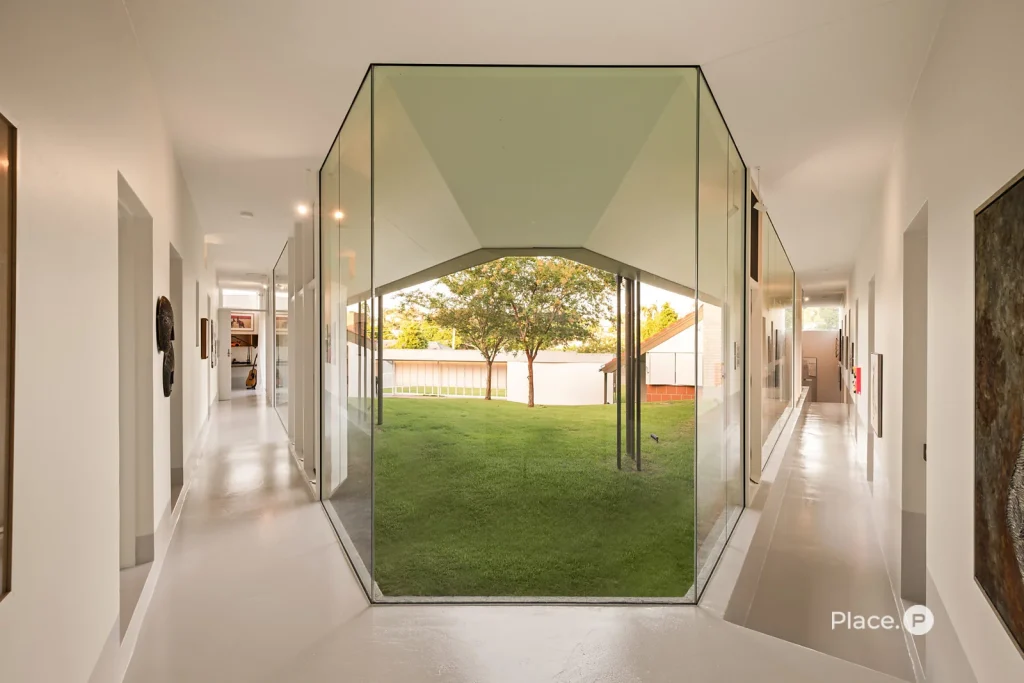
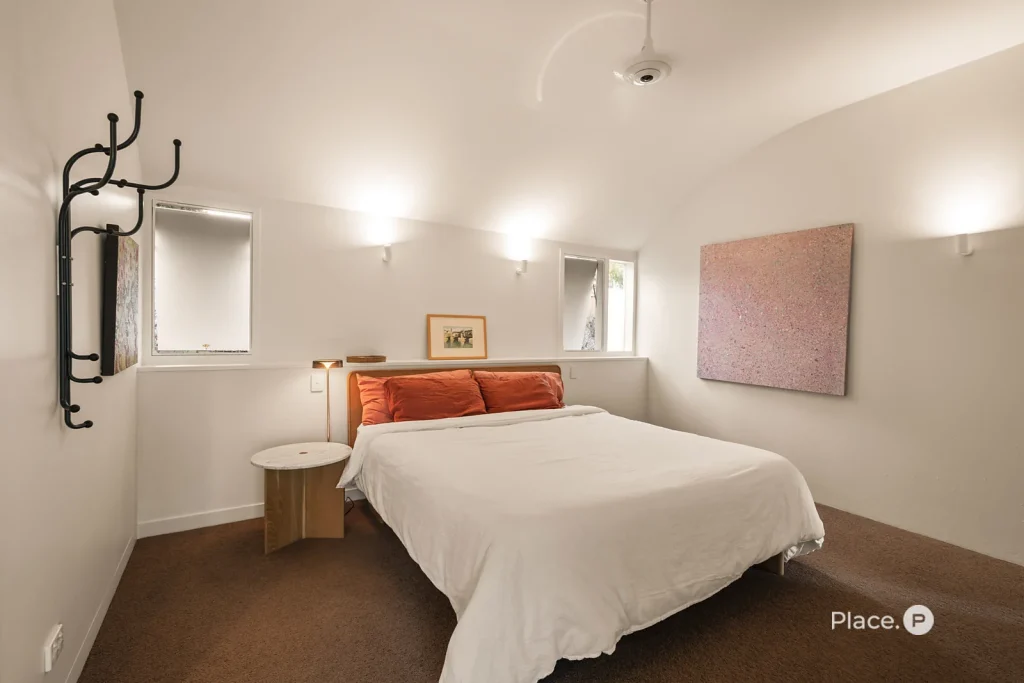
The single-level home sits on a rare 1,628-square-metre block—an unusually generous size for a property so close to the CBD. It features five bedrooms and two bathrooms, with architects Paul Owen and Michael Lineburg designing the residence as a series of interconnected spaces linked by long hallways and undercrofts.

Photo Credit: Place Kangaroo Point

The architectural design earned recognition at both state and regional levels, receiving the Robin Dods Award for Residential Architecture (Houses – New) in 2015. The Robin Dods Award is the Queensland chapter’s premier honour for new residential architecture, awarded by the Australian Institute of Architects.

Photo Credit: Place Kangaroo Point

The property includes a swimming pool, landscaped gardens, solar power with battery storage, and remote-controlled entry gates leading to a private carport. Two separate backyard spaces connect to the central living areas, creating what the architects designed with what Lockyer described in a 2018 interview as a “contemporary, Tuscan feel”.

Photo Credit: Place Kangaroo Point

At the time, Lockyer told media outlets the location was ideal for his family. “The location is great for our kids,” he said. “It’s also close to cafes, restaurants and parks.”

Photo Credit: Place Kangaroo Point

Co-listing agent Courtney Caulfield said interest has been strong from high-end buyers seeking a move-in-ready property that doesn’t require renovation work. “Everything is on one level, the outdoor spaces feel safe and connected, and it’s been such a comfortable place to raise [the current vendors’] child,” she said.

The property is within walking distance of Paddington’s cafes, restaurants and boutiques, near Gregory Park’s sporting facilities, and close to several prestigious schools including Brisbane Grammar School, Brisbane Girls Grammar School and St Joseph’s College.


Lockyer, who played his entire 17-year professional career with the Brisbane Broncos and now serves on the club’s board, has since moved on to a New Farm property with his family. According to property records cited by View.com.au, the Lockyers purchased a renovated six-bedroom Queenslander in New Farm for $5.05 million in late 2024.

Published 24-January-2026
Auchenflower Hosted the Australian Open Long Before Melbourne

Auchenflower has never needed to shout to be noticed. It’s a suburb of river breezes and long afternoons, where streets rise gently away from the Brisbane River and the city feels close but not quite on top of you. But tucked inside that calm, residential reputation is a sporting fact that still catches people off guard: Auchenflower once hosted the tournament we now call the Australian Open.


It was not an exhibition. It was not a warm-up event. It was the real thing in its early form, when the event was still known as the Australasian Championships and moved between cities and venues.

Before the Australian Open had a permanent home

The modern Australian Open is famously tied to Melbourne Park. But for decades, the tournament didn’t have a single base at all.

On the Australian Open’s official history, the early event is described as the Australasian Championships, and it “bounced around” various cities and venues for years before settling permanently in Melbourne in 1972.

That travelling tradition is what created a rare opening for Brisbane — and for Auchenflower — to enter national tennis history in a way that feels almost unbelievable today.

Auchenflower’s moment in the spotlight

Queensland’s editions of the tournament were held in the Brisbane suburb of Auchenflower in 1907 and 1915. Those two dates are a big deal. They place Auchenflower among the tournament’s early host locations, long before the Australian Open settled into a single permanent home.

That history is also confirmed in tournament records, with Auchenflower, Brisbane, listed as the host location for both the 1907 and 1915 championships.

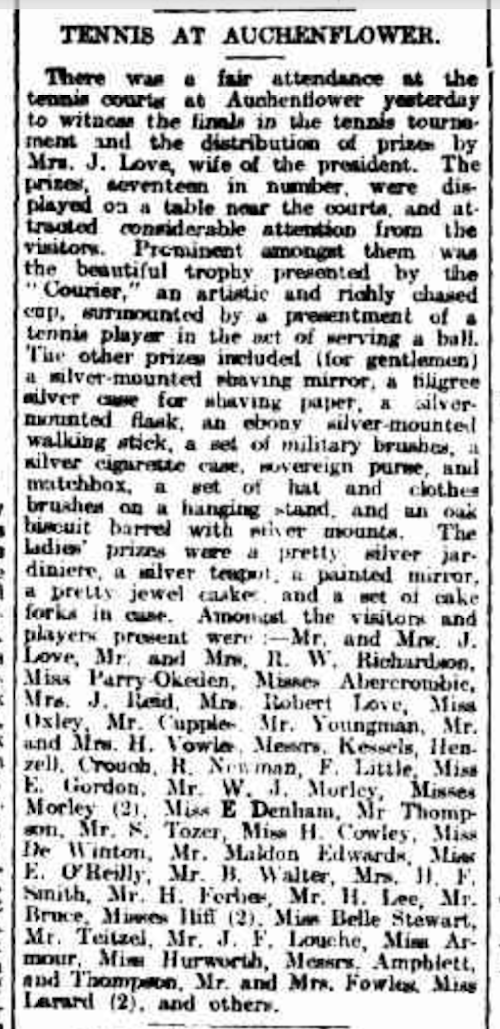
The Auchenflower courts were opened with enthusiasm in 1904, but rain curtailed the official opening celebrations. It’s a small anecdote, but it tells you something important: these weren’t improvised lawns scratched into existence for a one-off tournament.

The courts were significant enough to be noted in newspaper reporting of the time. Auchenflower’s tennis story begins with the establishment of courts in the suburb in 1904.

Grass courts and a very different tournament era

In 1907 and 1915, the championships played in Auchenflower would have felt very different to the Australian Open we recognise today. The event was smaller, the travel harder, the draw less international — but the prestige was real.

The 1907 tournament is recorded as being played on grass courts at Auchenflower in Brisbane. The 1915 edition is also recorded as being played on outdoor grass courts in Auchenflower.

That grass-court detail matters because it reminds readers what early tennis demanded: a different pace, different footwork, and a different relationship between sport and setting. The surface itself belonged to the landscape in a way hard courts don’t.

Auchenflower as part of Brisbane’s river suburbs story

It’s hard not to see a pattern when you look at where Brisbane’s famous tennis moments have happened. Auchenflower sits close to the river and close to the city — the kind of place where organised recreation could thrive early. In later decades, Brisbane’s major tennis venue shifted to nearby Milton. Different suburb, different era — but a similar relationship to access, crowds and public life.

Auchenflower’s tournament years show a version of Brisbane that doesn’t always appear in the usual sporting narratives: a city capable of hosting national-level events much earlier than people assume.

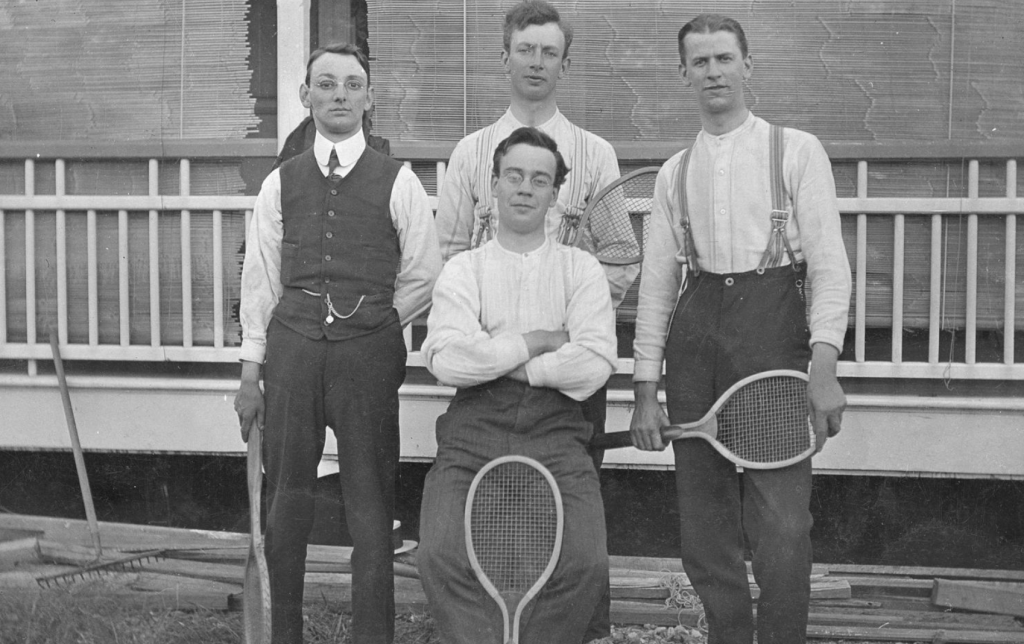
Methodist Home Mission tennis players from England in Brisbane, 1912. Photographed at the residence of Rev. W. H. Harrison in Auchenflower. | Photo Credit: State Library of Queensland

What to take from Auchenflower’s tennis past

Auchenflower doesn’t need a stadium today to prove it mattered then. Its tennis story is a quiet Brisbane story: a suburb by the river that once hosted the national championships during the tournament’s travelling years.

And if you ever hear someone say Brisbane was never part of tennis history, Auchenflower has an answer: It already has been.


Published 15-Jan-2026